


More Than a Broadcast, It’s a Digital Venue
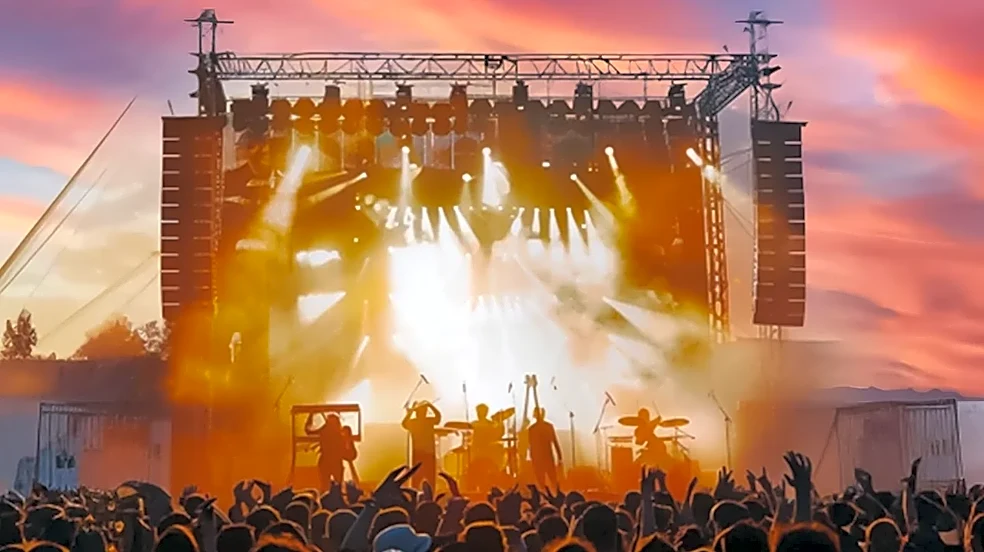
For years, major festivals like Coachella have partnered with platforms like YouTube to bring their stages to the world. Camp Flog Gnaw, through its partnership with Amazon Music and Twitch, does the same, turning a weekend at Dodger Stadium into a global
media event. This isn't just a static camera pointed at a stage; it's a fully produced broadcast with multiple camera angles, artist interviews, and curated content designed for the at-home viewer. The livestream has become an essential part of the festival's identity, anticipated by fans who can't make the trip to Los Angeles for reasons of cost, distance, or accessibility. It effectively creates a second, digital venue that has unlimited capacity, breaking down the physical barriers that once defined a live event.
The Launchpad for Viral Moments
The true extension of a festival's reach isn't just in the number of people watching live; it's in the moments that take on a life of their own online. A surprise guest, a powerful performance, or a unique stage design can be clipped, shared, and turned into a viral phenomenon on social media within minutes. These digital artifacts are what give a festival set its afterlife. An artist's performance is no longer just for the thousands in the crowd; it's a pitch to a global audience of potential new fans. The livestream captures these moments and serves them up to the internet, allowing an artist’s career to get a significant boost from a single festival slot, long after the weekend is over. The performance becomes a piece of permanent online content, discussed and replayed for months.
Navigating the Two-Tier Fan Experience
The rise of high-quality livestreams creates a fascinating duality in the fan experience. Nothing can truly replace the visceral energy of being in the crowd, feeling the bass, and sharing a collective moment with thousands of others. Attendees get the full sensory experience, from the food vendors to the art installations. However, the livestream viewer gets a different, arguably more optimized, view. They can jump between stages without walking a mile, enjoy perfect sound mixing, and watch close-ups of the performers that even people in the front row might miss. Rather than devaluing the in-person ticket, the livestream offers a complementary experience. It acknowledges that not everyone can attend and provides a legitimate, engaging alternative that keeps them connected to the culture of the event.
A New Kind of Communal Viewing
Watching a festival from home is no longer a solitary activity. Platforms like Twitch and YouTube integrate live chats, turning the viewing experience into a massive, worldwide watch party. Fans from different continents can react in real-time, share inside jokes, and collectively identify the next big artist. This digital water cooler extends the festival's community beyond the physical grounds. The conversation is no longer limited to the friends you came with; it's with a global network of fans. This interactive layer is crucial; it makes remote viewing an active, participatory event rather than a passive broadcast. The memes, the commentary, and the shared excitement are now as much a part of the festival experience as the music itself.