

The Philosophy of 'Honest' Tone
In the world of Americana, a genre that blends roots, folk, country, and blues, the sound is as important as the song. The goal isn't slick perfection; it's authenticity. The guitar tones you hear from artists on the Ryman Auditorium stage are extensions
of their storytelling. Think less about shredding solos and more about textures that serve the narrative. It’s a philosophy where the buzz of a vintage tube amp or the woody resonance of an old acoustic guitar isn't noise—it's character. The gear is chosen not just for how it sounds, but for the history and feeling it brings. This was on full display at the recent 25th annual awards, where performers from Brandi Carlile to Molly Tuttle and a tribute to Tom Petty by The Heartbreakers with Chris Stapleton showcased this sonic ethos.
It Starts with the Amp
The foundation of most electric Americana tone is the amplifier, specifically tube amps that are pushed to the edge of breakup. This is the sweet spot where the sound is mostly clean when played softly but growls when the guitarist digs in. You won't find many high-gain metal stacks here. Instead, you'll see timeless combos from brands like Fender, Vox, and Magnatone. Musical director Buddy Miller, a tone guru himself, often relies on this kind of gear for the show's All-Star Band. These amps provide a warmth and dynamic responsiveness that allows the player’s personality to shine through. The amp becomes a partner in the performance, breathing with the music rather than just making it louder.
A 'Less is More' Approach to Pedals
While some guitarists have pedalboards that look like spaceship control panels, many Americana players take a more minimalist approach. The core of the sound often comes from just one or two key pedals. A low-to-medium gain overdrive, like an Ibanez Tube Screamer or a coveted Klon Centaur, is a common sight. These aren't used to create heavy distortion, but to push the front end of a tube amp into that sweet spot of saturation. This adds sustain and harmonic richness without masking the guitar's natural voice. Beyond that, you might see a touch of tremolo for texture or a classic spring reverb for atmosphere, often from pedals like a Strymon Flint, but rarely a wall of complex digital effects. The aim is to enhance, not overwhelm.
Guitars with a Story to Tell
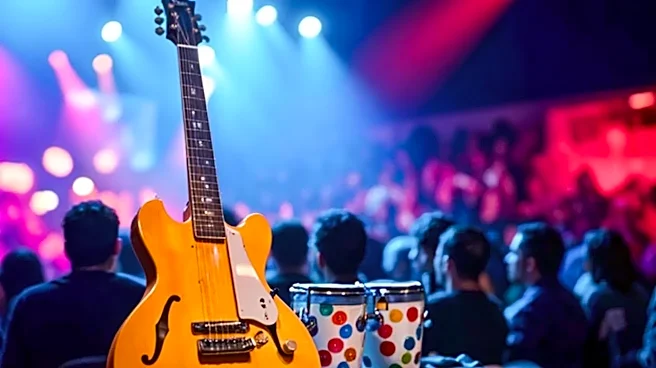
The guitars themselves are central to the Americana sound. You'll see road-worn Fender Telecasters, known for their bright, twangy bite that cuts through a mix. You'll see Gibson semi-hollow bodies like the ES-335, which offer a warm, airy tone that can also snarl when needed. And, of course, you'll see a host of iconic acoustic instruments from builders like Martin, Gibson, and Collings. Artists like Jason Isbell and Molly Tuttle are masters of their acoustic craft, understanding that these instruments provide the backbone for so many of the genre's songs. Many of these guitars aren't fresh off the factory floor; they are instruments with dings, scratches, and repairs, each mark a part of the story they help to tell. This year's Instrumentalist of the Year, guitarist Mandy Fer, exemplifies this approach, using her tools to create soulful, expressive lines.