





The Inescapable Weight of History
For a World Cup giant, the past is never past. It’s stitched into the crest on their jersey. When Brazil takes the field, they aren’t just eleven players; they are the spiritual heirs to Pelé, Ronaldo, and the legacy of five championships. Their every
move is measured against the impossible standard of *joga bonito*—the beautiful game. This historical weight is a narrative engine. A scrappy, defensive 1-0 win for Brazil is seen not as a tactical victory, but as a minor betrayal of their identity. Similarly, Germany is expected to be a ruthlessly efficient machine. Their storyline is one of cool, calculated dominance. When they deviate from that script, either through uncharacteristic sloppiness or an emotional collapse, it becomes a major event. This built-in expectation, fair or not, provides an immediate, high-stakes context for every single match they play, turning routine group stage games into referendums on national character.
The Superstar as Narrative Vessel
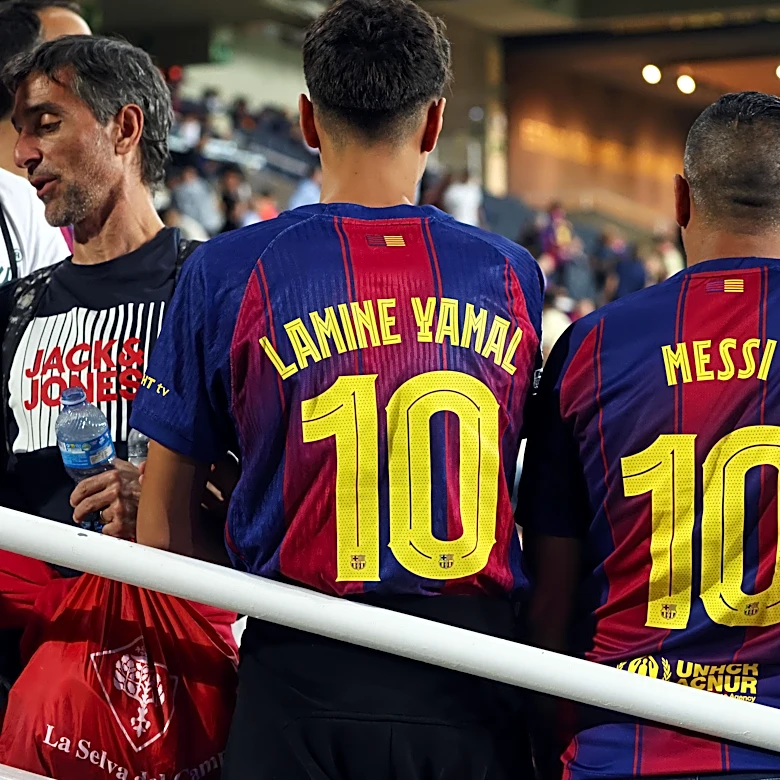
Modern soccer marketing has fused the identity of its biggest teams with its biggest stars. The World Cup narrative is often simplified into a hero’s journey for one man. For years, Argentina wasn’t just Argentina; it was Lionel Messi’s quest for the one trophy that could cement his GOAT status. Every pass, every missed chance, every goal was a chapter in the Messi saga. The same was true for Cristiano Ronaldo’s Portugal. This intense focus creates an irresistible storyline for a global audience. The team’s success becomes secondary to the star’s personal redemption or coronation. It also creates a built-in point of failure. If the team falters, the blame and the narrative spotlight inevitably fall on the superstar. Did he choke? Is he truly a leader? The team becomes a supporting cast in a blockbuster film starring one man, and the tournament’s drama rises and falls with his performance.
The Unforgettable Spectacle of Failure
Ironically, the most powerful way giants create storylines is by failing spectacularly. The fall of a titan is infinitely more compelling than an underdog’s predictable exit. No one will ever forget Brazil’s 7-1 semi-final humiliation against Germany on home soil in 2014. It wasn’t just a loss; it was a national trauma, a historical event so shocking it has its own name, the *Mineirazo*. Likewise, France’s implosion as defending champions in 2002, failing to score a single goal, or Germany’s stunning group stage exit in 2018 became the defining stories of those tournaments. These collapses are magnetic. They are tales of hubris, pressure, and the dramatic unraveling of a dynasty. When a giant falls, it sends shockwaves through the entire competition, creating a power vacuum and a sense that anything is possible. Their failure becomes the central plot point that shapes everything that comes after.
The Symbiotic Media Machine
The giants and the global media exist in a feedback loop. Broadcasters and journalists know that stories about Brazil, Argentina, and Germany attract the most eyeballs. Consequently, they devote a disproportionate amount of coverage to them. Every training session injury is a headline. Every cryptic quote from a star player is dissected. This relentless scrutiny amplifies the pressure and magnifies the stakes. The media doesn’t just report on the narrative; it actively helps construct it. An off-hand comment becomes a sign of internal dissent. A minor tactical switch is framed as a stroke of genius or a desperate gamble. This intense focus ensures that even when they’re not playing, the giants are still the main characters, their stories dominating the conversation and setting the agenda for fans around the world.