





An Idea Born from a Joke
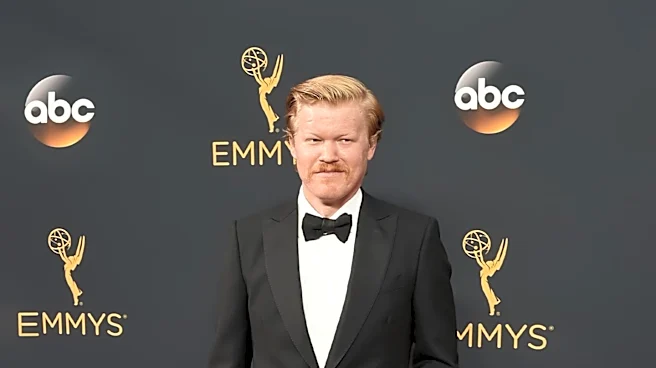
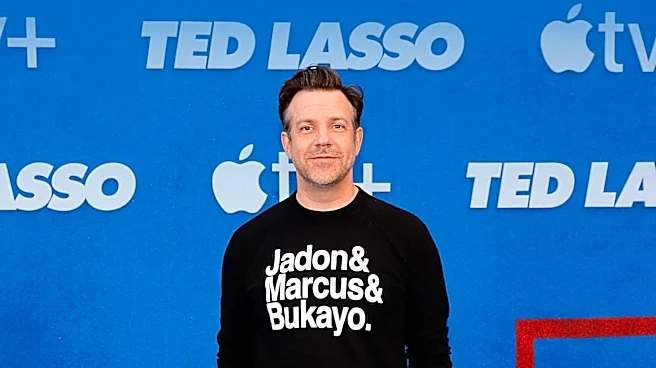
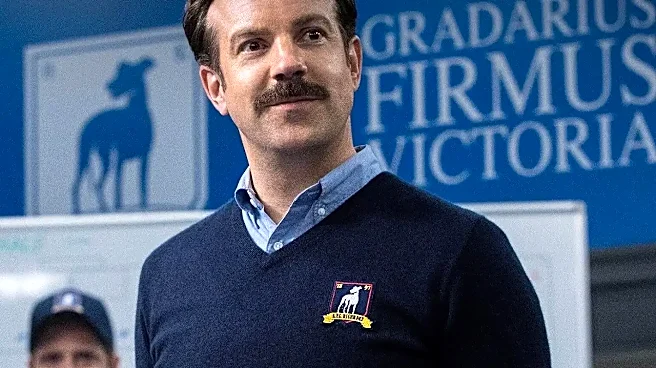
Before it was an Emmy-winning series, Ted Lasso was just a character in a series of NBC Sports commercials created to sell American audiences on the English Premier League. The initial spots, starring Jason Sudeikis, were funny, broad, and a bit cartoonish.
The character was an exaggerated American football coach fumbling his way through a sport he didn’t understand. When Sudeikis and his collaborators, Brendan Hunt and Joe Kelly, first envisioned turning this one-note joke into a full series around 2015, the idea was met with deep skepticism. Even seasoned producer Bill Lawrence, who would become a co-creator, initially couldn't see it, admitting he didn’t believe there was enough material to build a show from the broad, loud sketches.
The Pitch That Nobody Wanted
Armed with an idea that went far beyond the original commercials—one with pathos and heart—Sudeikis and Lawrence began pitching the show. Their vision was to create a hopeful, optimistic story, a direct counterpoint to the cynicism they saw in the world. They had to convince executives that the show wouldn't just be the loud, sketchy character from the ads. According to co-creator Brendan Hunt, that was a tough sell. Several networks and streaming platforms said no. They couldn't see past the goofy commercials, with some rejecting the pitch as being "too broad" and lacking wide appeal. Each rejection was a potential death blow for the project, leaving the hopeful story of AFC Richmond without a home.
A Leap of Faith from a New Player
Just as the concept seemed destined for the Hollywood graveyard of good ideas that never were, it found an unlikely champion: Apple TV+. The streaming service was brand new and looking for bold, original content to build its identity. While established players saw a risky show based on a commercial, Apple saw a chance to bet on proven talent like Sudeikis and Lawrence. They bought into the vision of a show that wasn't really about sports, but about character, kindness, and overcoming personal struggles. In a world of dark, edgy antiheroes, Apple took a gamble on a character defined by relentless sincerity, a move that would ultimately pay off in a way few could have predicted.
The Final Hurdle: Overcoming Cynicism
Even after finding a home, the creators faced one last, internal hurdle: the fear that the show’s radical optimism wouldn’t work. Lawrence has spoken about how, in a cynical world, a character as genuinely kind as Ted Lasso might be rejected by audiences. The writers' room discussed the modern viewer's tendency to assume such sincerity must be fake. Their driving creative challenge was to commit to Ted’s genuine goodness and force the audience to confront their own cynicism. This was the show's biggest risk. Had they hedged their bets or watered down Ted's sincere, folksy charm in response to these fears, the magic that defines the series would have been lost before the first episode ever aired.