
The First Spark on Baker Beach
The legend of Burning Man starts not with a rave or a massive art installation, but with a bonfire among friends. In the summer of 1986, Larry Harvey and Jerry James built an eight-foot wooden effigy from
scrap wood. They dragged it to San Francisco’s Baker Beach for the summer solstice, doused it in gasoline, and set it ablaze. It was a spontaneous act of what Harvey called "radical self-expression." As the figure burned, a small crowd of onlookers grew, with one woman impulsively running to hold the burning figure’s hand and a guitarist starting to play. This wasn't a festival; it was a happening. For the next few years, the ritual was repeated, with the wooden Man growing in size along with the crowds drawn to the simple, powerful spectacle.
The Desert Move and the Cacophony Society
By 1990, the Baker Beach burn had become too big for the city. When police prohibited the immolation due to fire risk, the event’s future was uncertain. The solution came from the Cacophony Society, a San Francisco group dedicated to staging bizarre, situationist-style experiences and urban explorations. Many members had attended the beach burns. For Labor Day weekend, the society planned a “Zone Trip” to the vast, otherworldly expanse of the Black Rock Desert in Nevada. They invited Harvey and James to bring their Man along. In front of about 90 people, the Man burned again, this time in the desolate freedom of the desert. This move was pivotal. It provided a blank canvas, a harsh and beautiful stage where the rules of normal life didn't apply and a new kind of participatory entertainment could be born.
The Rise of Big Art and Theme Camps
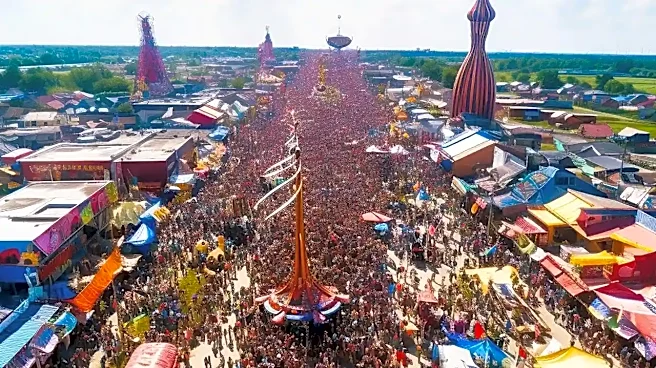
The 1990s saw Burning Man evolve from a desert party into a temporary city built on creativity. The core principle was participation; there were no headliners or scheduled performers in the traditional sense. Instead, the entertainment was the attendees. This philosophy crystalized in two forms: theme camps and large-scale art. Theme camps became the social and interactive hubs of Black Rock City, with groups of people offering everything from free drinks and food to unique experiences like post-apocalyptic gladiator battles in a Thunderdome. Simultaneously, the flat, empty playa became an unparalleled outdoor gallery for monumental, interactive art installations. Artists, unconstrained by gallery walls or commercial concerns, built fantastical sculptures and structures that were meant to be climbed on, explored, and often, burned at the end of the week. This turned the entire event into a living, breathing, immersive spectacle.
The Electronic Music Revolution
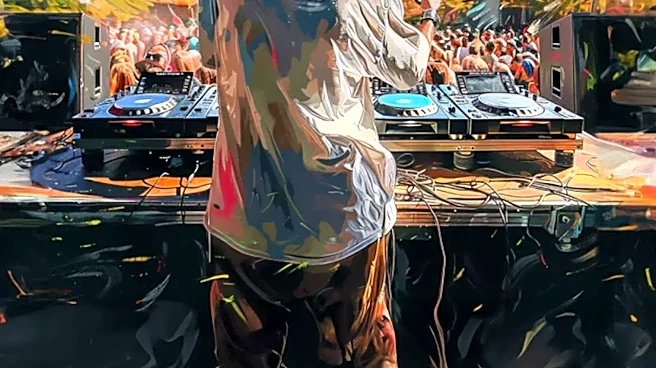
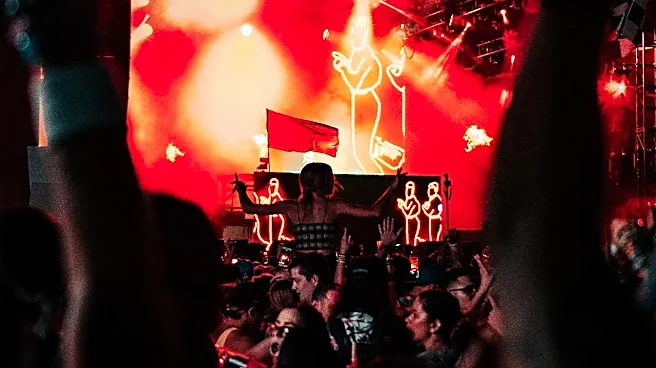
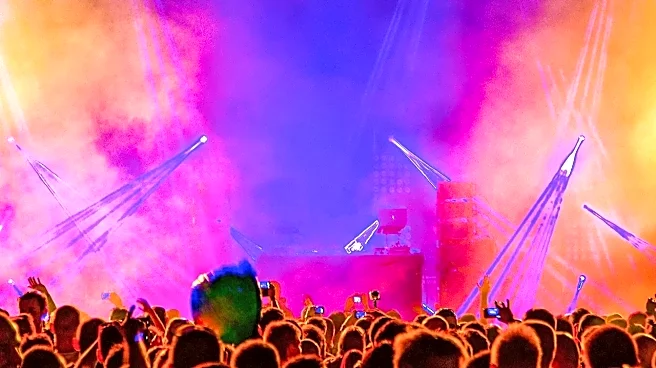
While art provided the visual soul, electronic music gave Burning Man its modern heartbeat. The first amplified music appeared in the early 90s, with a few DJs playing to a handful of people from a small camp. At first, organizers were wary, even exiling the loud music to a so-called "Techno Ghetto" miles from the main camp to preserve the event's quieter, more organic feel. But the ravers kept coming, bringing with them powerful sound systems and an all-night party ethos that attracted a huge new demographic. By the late 90s and 2000s, massive sound camps and mutant vehicle "art cars" equipped with DJ booths became a dominant force, transforming the night on the playa into a vast, decentralized dance floor. This infusion of electronic dance music cemented Burning Man's reputation as a hedonistic destination, even as it created a long-running cultural tension with the event's original, more anarchic roots.
From Counter-Culture to Mainstream Influence
In the 21st century, the entertainment spectacle that is Burning Man began to bleed into the mainstream. Once an underground gathering, it evolved into a bucket-list destination for celebrities, tech executives, and social media influencers. The festival's aesthetic—the massive art, the fantastic costumes, the emphasis on creating an "experience"—started influencing major commercial festivals like Coachella. The principles of radical self-expression and participation, once revolutionary, became cultural exports. This created a new paradox: as Burning Man's entertainment value became its most famous asset, it struggled to maintain the non-commercial, decommodified ethos at its core. The event that began as an escape from the mainstream had become a powerful tastemaker within it, grappling with its own success and the very definition of its identity.