
The Philosophy: Inherited vs. Intentional
The biggest difference isn't in the clothes but the mindset. The old money aesthetic is rooted in generational wealth and the stability that comes with it. It’s a style that reflects a life where quality
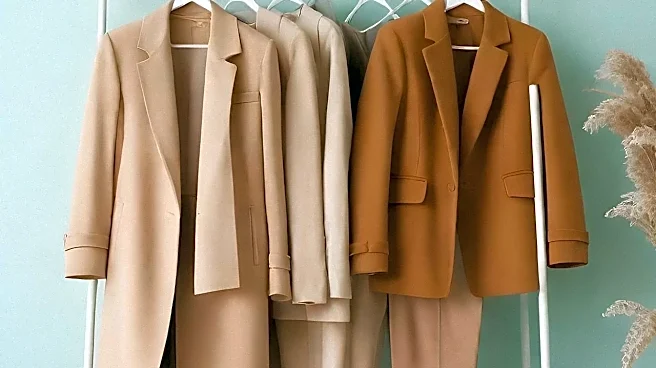
is a given, not a goal, and fashion trends are largely ignored in favor of timeless, inherited codes. Think of clothing worn for leisure activities historically associated with the upper class, like boating or equestrian sports. The style signals a confidence that doesn't require validation. Generic neutral dressing, on the other hand, is a conscious, modern choice. It’s often a reaction to the chaos of fast fashion and logo-mania. Adopting a palette of beige, grey, and white can be a minimalist decision to simplify life, reduce decision fatigue, and create a calm, curated personal brand. It’s less about a family name and more about a personal preference for clean lines and visual peace. While old money style is about preserving continuity, neutral dressing is often about clarity through reduction.
The Materials: Investment vs. Accessibility
Here’s where the difference becomes tangible. Old money style prioritizes uncompromising quality and natural fibers that age gracefully. We're talking Scottish cashmere, heavy silk, virgin wool, and perfectly worn-in leather loafers. The luxury is sensory and subtle—felt by the wearer rather than announced to the world. The goal is to buy a piece that lasts for decades, not just a season. It’s an investment in craftsmanship. Neutral dressing is more flexible. While it can certainly include high-quality pieces, the primary goal is achieving a specific look. That look might be created with a high-street retailer’s linen-blend trousers or a simple cotton t-shirt. The emphasis is on the color palette and the overall clean aesthetic, which is more accessible. A bright print can hide mediocre fabric, but a cream sweater reveals everything, so quality is still a factor, but not with the same generational, heirloom-or-nothing standard.
The Execution: Tailored vs. Trendy
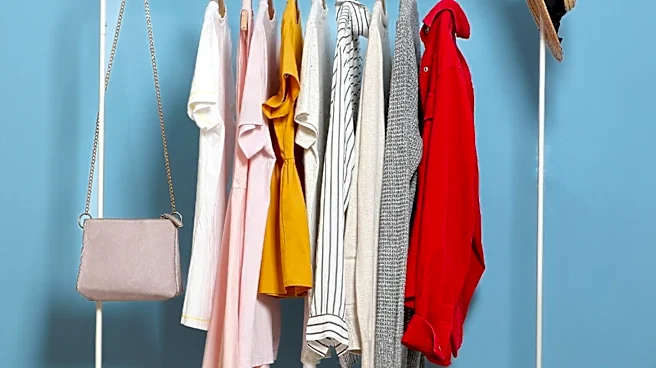
Fit and silhouette tell different stories. The old money aesthetic leans heavily on classic, impeccable tailoring. Blazers are structured but not severe, trousers have a classic fit, and proportions are timeless. It’s a style that avoids anything too tight, too loose, or too of-the-moment. The clothes are made to fit the person perfectly, often through bespoke tailoring, enhancing their form without being overtly showy. Generic neutral dressing often incorporates contemporary silhouettes. It can embrace the oversized blazer, the wide-leg pant, or the slouchy knit that defines a particular fashion moment. Because it’s more tied to current trends (even minimalist ones), the shapes are more fluid and can evolve from season to season. The unifying factor is the color, not a specific, unchanging cut. It provides a clean, versatile backdrop that allows other elements, like accessories or even a single pop of color, to stand out.
The Signal: ‘We Have It’ vs. ‘I Get It’
Ultimately, the two styles send different messages. Old money style, or 'quiet luxury', is a form of 'stealth wealth'. It’s a subtle signal to a small group of peers who can recognize the quality of a Loro Piana sweater or the perfect cut of a Savile Row suit without a logo in sight. The message is one of established, unshakeable status—it’s about being, not showing. Neutral dressing communicates something else entirely: taste and intentionality. It says, 'I am thoughtful about my appearance, I appreciate simplicity, and I’m in tune with the current mood of understated elegance'. It’s a way of looking polished and put-together in a way that feels modern and accessible. It’s not about signaling inherited wealth, but rather demonstrating a mastery of a sophisticated, contemporary aesthetic.