




The First Rule: Always Patch Test
Before you apply any new product to your face or body, safety comes first. No matter if a product is labeled "hypoallergenic" or "sensitive skin-safe," individual reactions can vary. Apply a small amount of the adhesive to a discreet patch of skin, like
your inner arm, and wait at least 24 hours to check for any redness, itching, or irritation. Also, always apply adhesives to clean, dry skin that's free of oils and lotions for the best possible hold and to minimize risk.
For Lightweight Gems and Rhinestones
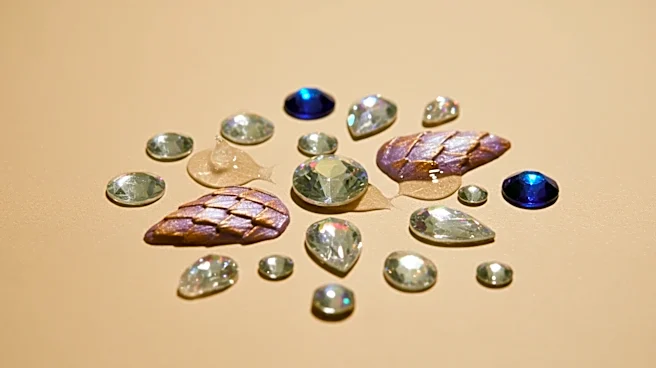
For small, lightweight facial gems or a subtle sprinkle of rhinestones, you don’t always need a heavy-duty solution. Many people successfully use a high-quality lash glue. These adhesives are formulated for the delicate eye area, making them a relatively safe bet for short-term wear on the face. They provide a gentle hold that is easy to remove at the end of the day with a standard makeup remover. Look for latex-free options if you have a known sensitivity. While convenient, keep in mind they aren't designed for heavy pieces or all-day, high-sweat situations like a music festival.
For Serious Sparkle and Festival Wear
When you need your body gems to survive dancing, sweat, and long hours, it's time to level up from lash glue. The industry standard for this is Pros-Aide. It’s a water-based, medical-grade acrylic adhesive that is non-toxic and specifically formulated for prolonged skin contact. Originally developed for medical prosthetics, it provides a powerful, water-resistant bond that keeps embellishments locked in place. You apply a thin layer, wait for it to turn from white to clear and tacky, then press the gem firmly in place. Many cosmetic-grade "body glues" for glitter and gems are also Pros-Aide-based formulas.
For SFX Prosthetics: The Heavy Lifters
Attaching latex, gelatin, or silicone prosthetics for special effects or Halloween requires a powerful bond that is both strong and flexible. Pros-Aide is a top choice here as well, trusted by professional makeup artists for its reliability and skin safety. Another industry staple is Telesis, a silicone-based adhesive known for its incredibly strong, invisible hold, making it a favorite for film and television. These are serious adhesives designed for performance and require specific removers. You should never try to just pull off a prosthetic attached with these glues, as you risk damaging your skin.
What About Spirit Gum?
Spirit gum is a classic theatrical adhesive made from a resin dissolved in alcohol. It has a long history and is effective for attaching lightweight items like crepe hair for fake mustaches or lace-front wigs and beards. However, many modern makeup artists now prefer Pros-Aide, which is generally considered more flexible, less irritating to the skin, and more resistant to sweat. Spirit gum can become brittle and may not hold up as well for heavy appliances or long wear times. Crucially, it must be removed with a dedicated spirit gum remover to dissolve the resin safely.
Safe and Gentle Removal
How you take things off is just as important as how you put them on. Forcing or pulling an adhered item can cause significant skin irritation or injury. For gentle glues like lash adhesive, a standard oil-based makeup remover or cleanser will usually suffice. For stronger, medical-grade adhesives like Pros-Aide and Telesis, you need a dedicated remover designed for that product. These removers are formulated to break down the adhesive bond without harming your skin. Apply the remover with a cotton swab or pad, gently working it under the edges of the prosthetic or gem until it lifts away easily. Always follow up by washing the area with soap and water to remove any residue.