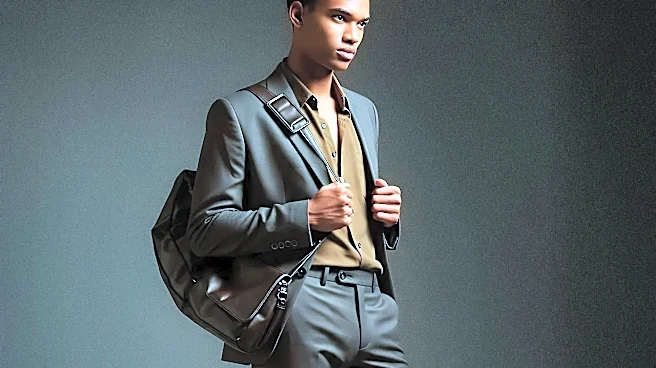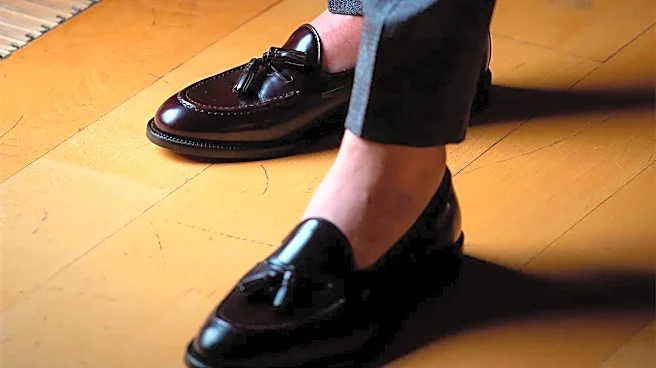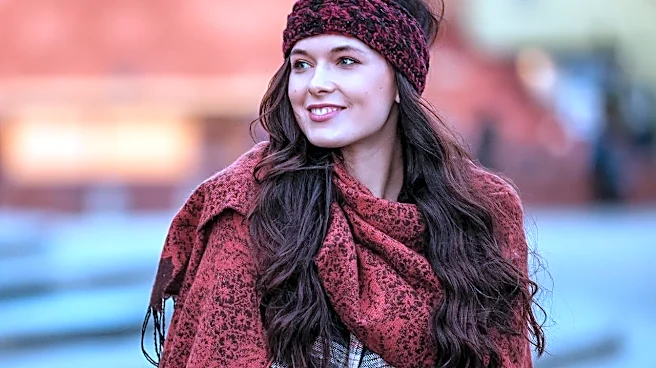



The era of ultra-slim everything is over, but embracing looser fits can be tricky. There's a fine line between looking intentionally relaxed and just plain sloppy. Here’s how to get it right without a trip to the tailor.
Understand the 'Relaxed' Philosophy
First, know that 'relaxed fit'
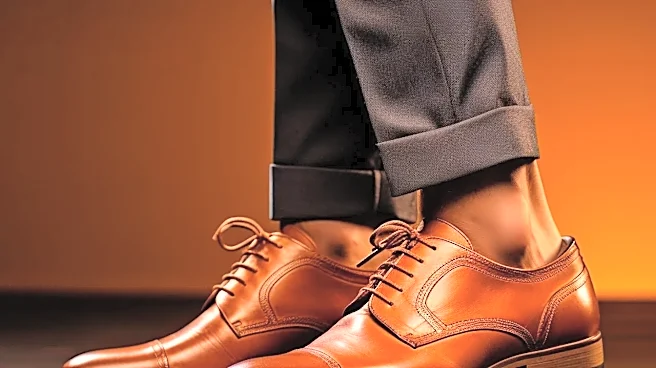
is a specific cut, not just a larger size. These garments are designed with more room in certain areas—like the chest, shoulders, or thighs—while maintaining their overall structure. Unlike 'oversized' pieces, which are cut larger all over, a relaxed-fit shirt should still have shoulder seams that sit on your actual shoulder. The goal is breathability and drape, not being swallowed by fabric. Buying your true size in a 'relaxed' or 'straight' cut is the first step; sizing up in a slim-fit item often just leads to a poor fit in the wrong places, like a sagging neckline or pooling fabric at your ankles.
Master the Rule of One
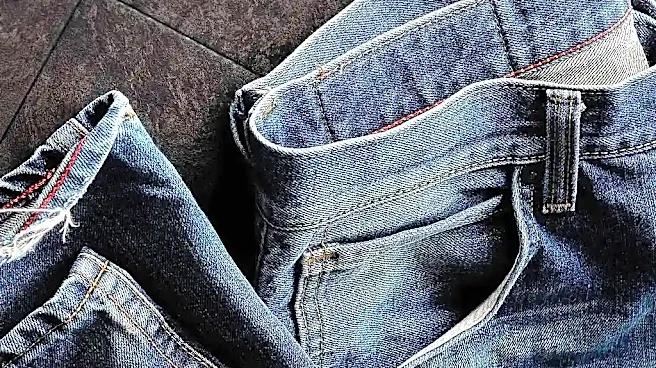
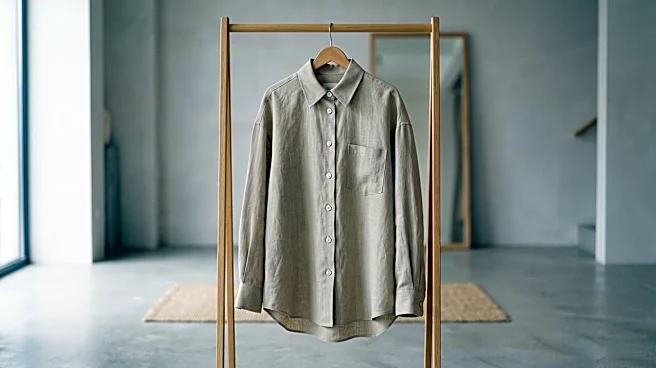
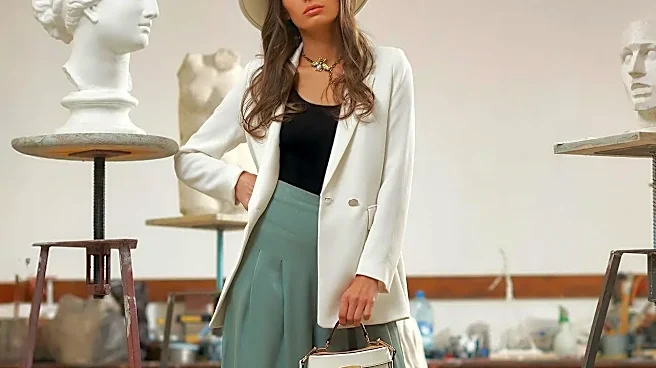
The single most important principle for styling looser clothes is proportion. The easiest way to control this is the 'Rule of One': let one half of your outfit be loose, and keep the other half more contained. If you're wearing wide-leg trousers or relaxed-fit jeans, pair them with a more structured or classic-fit T-shirt. Conversely, if you're wearing an oversized hoodie or a billowy button-down shirt, anchor the look with straight-leg chinos or tapered pants. When both your top and bottom are billowing, you lose your silhouette entirely and the outfit reads as formless and unintentional.
Let Fabric Do the Heavy Lifting
The material of a garment dramatically affects how it hangs and moves. Stiff, cheap fabrics will just look boxy and unflattering in a looser cut. Look for materials with a good drape. Washed cotton, linen, Tencel, lightweight wool, and certain premium knits will flow and skim the body rather than sticking out. Heavier fabrics can also work by providing structure; a thick, rigid pair of straight-leg jeans or a structured chore coat can serve as the 'anchor' piece in an outfit, allowing other elements to be more relaxed. The goal is to choose fabrics that look deliberate, not like a forgotten t-shirt that has lost its shape.
Use the Tuck and the Roll
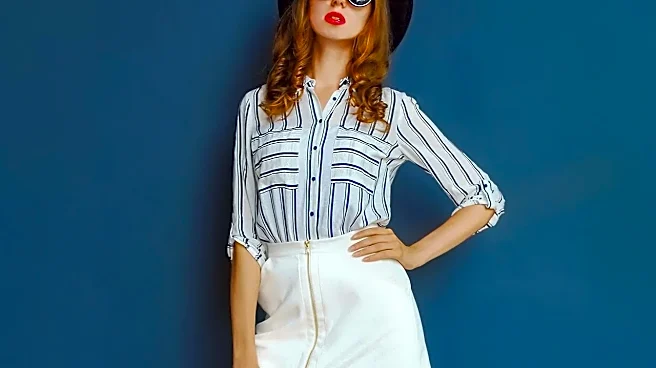
Two simple, nosew adjustments can instantly add shape and intention to a relaxed outfit: the tuck and the sleeve roll. Tucking in a looser shirt—even just a partial 'French tuck' at the front—immediately defines your waist and breaks up a monolithic wall of fabric. This small move signals that you've considered your look. It works with Tshirts,downs,and even knits. Similarly,rolling the sleeves of a relaxed fit shirt or jacket to just below the elbow cleans up the silhouette. It prevents your hands from getting lost and adds a touch of casual,practical style that keeps the proportions in check.