

The Cosplay Catalog
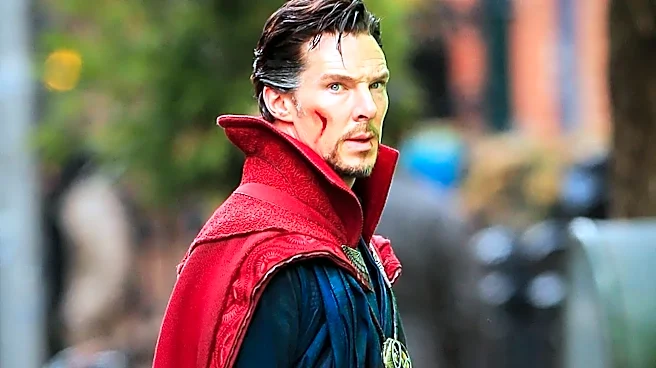
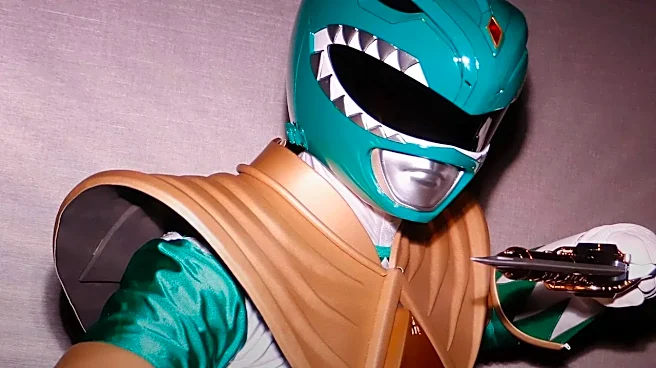
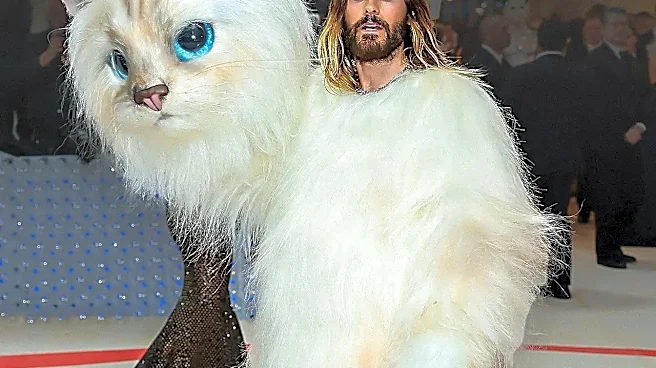
Walk the floor of the Javits Center and you’re not just seeing costumes; you’re browsing a catalog of cultural moments. Every cosplayer is a walking, talking entry in a vast, informal encyclopedia. The person dressed as a classic X-Men '97 character isn't
just wearing yellow spandex; they are a citation for a specific animated series, a cherished childhood memory brought to life. Nearby, someone in a highly detailed, steampunk-inspired superhero outfit is showcasing a popular 2026 trend of creating unique variants of well-known characters. This isn’t just dress-up. It's an act of public curation, where individuals select a piece of media that shaped them and put it on display. The variety is staggering, from blockbuster heroes to obscure anime villains, each costume a testament to a story's enduring impact. This collective performance turns the convention floor into a visual database of what matters to fans, right here and now.
The Panels as Oral History
Beyond the spectacle on the floor, the panel rooms serve as lecture halls for this pop culture university. When the cast and creators of a show like "Star Trek: Starfleet Academy" or the prequel series "Crystal Lake" take the stage, they aren't just promoting a new season. They are participating in a live oral history project. Fans get to hear behind-the-scenes stories, creative choices are explained, and previously unknown details become part of the collective lore. Panels celebrating the 60th anniversary of Star Trek or featuring the English-language cast of a game like "Final Fantasy VII Revelation" function as formal sessions where the canon of a universe is discussed and expanded. These events are where the personal memories of creators meet the public memory of the fandom, solidifying stories that, until that moment, might have been lost to time. It’s a space where the history of these fictional worlds is actively recorded in front of a live audience.
Artist Alley as a Living Document
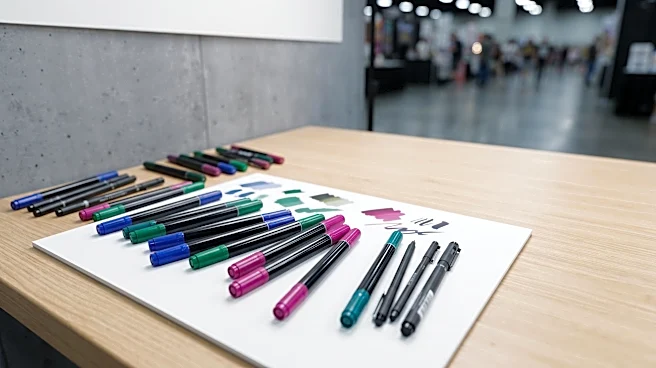
If the convention floor is the catalog and panels are the oral histories, then Artist Alley is where the archive is actively updated, reinterpreted, and remixed. Here, hundreds of independent and professional artists sit at tables, not just selling prints, but offering new perspectives on iconic characters. One artist might render a golden-age hero in a modern, gritty style, while another creates a mashup of two entirely different fictional universes. This is where the cultural archive proves it is alive. Memory here isn't static; it's a source of constant inspiration. Fans can buy art that reflects their specific, personal version of a character, finding a piece that validates their own interpretation. It's a marketplace of ideas, where the past isn’t just preserved but is used as a dynamic tool for creating something new, ensuring the archive never grows dusty.
The Crowd as a Communal Database
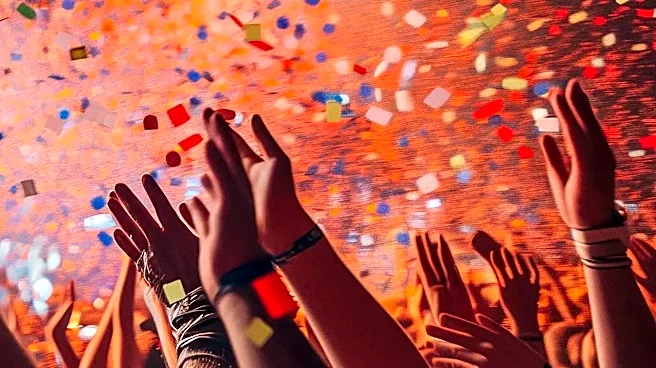
Ultimately, the true engine of this living archive is the attendees themselves. Every conversation in a long line, every shared gasp during a trailer premiere, and every debate over a character's true motivation contributes to a massive, decentralized peer-to-peer network of fandom knowledge. NYCC provides the physical space for this database to sync up. People who have spent years discussing stories online can finally connect in person, reinforcing their shared passion and knowledge. This sense of community, of finding your people, is what transforms the event from a commercial enterprise into a vital cultural institution. It's a place where being an expert in a fictional universe is a celebrated skill, and where that expertise is shared freely, ensuring the stories, characters, and memories that define generations of fans are carried forward.