



The Magic on the Mountain
The Telluride Film Festival is unlike any other cultural event in America. For one, it’s a celebration, not a competition; there are no prizes, no red carpets, and very little of the deal-making frenzy that defines other festivals. Its most famous quirk
is its secrecy. The entire film lineup remains a complete mystery until the festival officially begins. Attendees—a mix of die-hard cinephiles, filmmakers, and curious travelers who triple the town's population—arrive on blind faith. They come for the experience: four days of total immersion in cinema, where the person you talk to in line for coffee might have directed the film you just saw. It’s an egalitarian environment built on a shared passion for the art of film, not just the business of content.
The Comforting Prison of the Algorithm
Now, contrast that with your Tuesday night. You open a streaming service, and a wall of algorithmically selected options greets you. These systems are designed for one primary purpose: to keep you watching. They analyze your viewing history—what you watched, what you skipped, what you re-watched—and use that data to recommend things you are statistically likely to enjoy. It’s a process called content-based or collaborative filtering. In essence, the algorithm acts like a friend who only ever suggests things you already know you like. It’s efficient and comforting, but it’s also a feedback loop. By constantly serving you more of the same, it can inadvertently build a wall around your taste, trapping you in a cycle of overfamiliarity and preventing genuine discovery.
Curated Surprise vs. Personalized Predictability
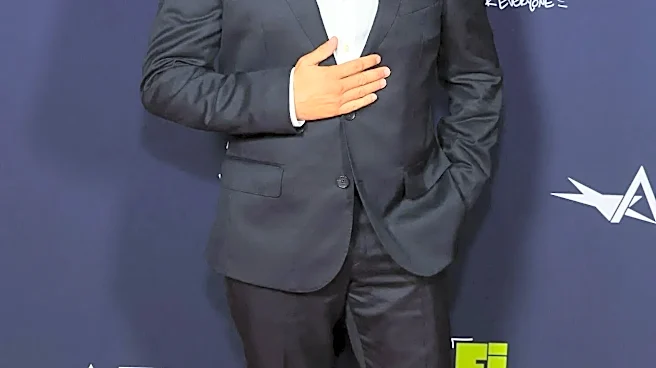
This is where the Telluride model presents its most potent challenge. The festival is an act of human curation on a grand scale. Its directors and programmers, like 2026's Guest Director Rebecca Hall, make deliberate, opinionated choices. They select films they believe are artistically vital, challenging, or deserving of attention, regardless of genre or commercial appeal. This approach champions the happy accident—stumbling into a theater to see a film you’ve never heard of and having it change your perspective. Algorithms, by their very nature, are designed to eliminate such accidents. They optimize for engagement, not for artistic value or the thrill of the unknown. A human curator can see the potential in a difficult film or connect disparate works in a way a machine, which needs data to function, simply cannot.
The Communal Experience
Perhaps the most irreplaceable element that festivals offer is community. Watching a film in a packed theater—feeling the collective gasp during a thriller, hearing the shared laughter at a comedy, or sitting in stunned silence with hundreds of others as the credits roll—is a fundamentally different experience than watching on your couch. It transforms movie-watching from a solitary act of consumption into a shared cultural event. It’s a space for debate and discussion with fellow enthusiasts in the summer sun, moments after the screening ends. An algorithm can recommend a movie, but it can never replicate the feeling of belonging to an audience, of being part of a temporary community brought together by a story.