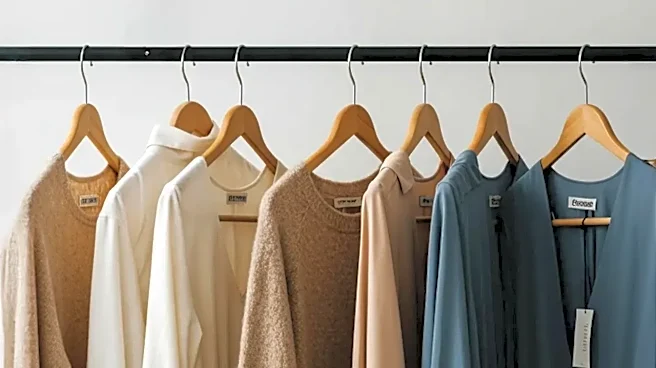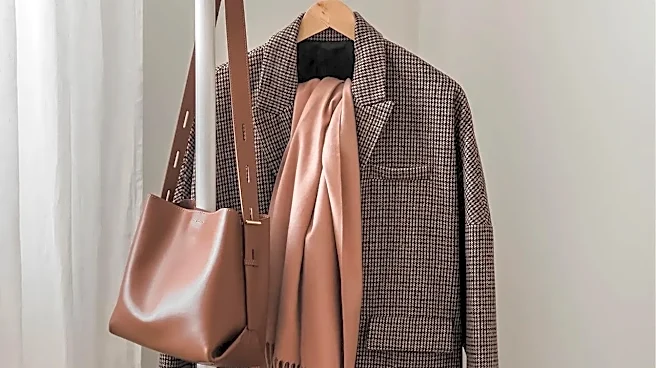




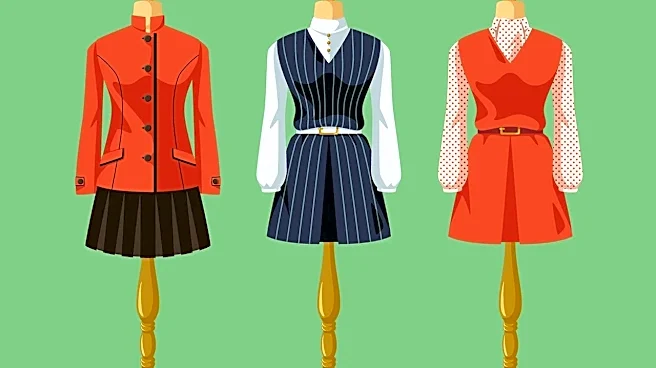
That feeling is universal: a closet overflowing with clothes, yet nothing feels right to wear. It’s a paradox born from impulse buys and items bought for a life you imagine, not the one you lead. The solution isn’t a bigger closet; it’s a smarter filter.
The Litmus Test: Dress for Your Real Life
Before you buy anything, perform a reality check. Many unworn items are purchased for a fantasy version of ourselves—the person who attends galas, goes on spontaneous chic vacations, or has a completely different job. Be honest about how you actually spend your time. If you work from home 90% of the time, that sequin blazer is less likely to become a staple than a high-quality, comfortable knit. Your wardrobe's primary job is to serve your current life. A simple rule is to ask: 'Can I wear this, this week?' If the answer is a hard no, it may be a purchase for an imagined self.
The Rule of Three: Does It Play Well with Others?
A standalone masterpiece is a museum piece; a wardrobe staple is a team player. Before buying an item, mentally style it with at least three other pieces you already own. If you can’t quickly and easily create three distinct outfits, the item will likely become a closet orphan, requiring you to buy even more things just to make it work. This test forces you to consider versatility. A top that only works with one specific pair of pants is a risky buy. A jacket that can be thrown over jeans, a dress, and work trousers is a true workhorse.
The Comfort & Care Check: Will It Be Too Much Hassle?
Be brutally honest about your tolerance for fuss. If a garment is physically uncomfortable—a waistband that digs, a fabric that scratches, or shoes that pinch—it doesn't matter how great it looks; you won't reach for it. The same goes for care instructions. Check the label. If you despise hand-washing and avoid the dry cleaner at all costs, that 'Dry Clean Only' silk blouse will likely sit in your laundry basket for months. The most-worn items are almost always the easiest ones. They feel good on your body and are simple to care for.
The Cost-Per-Wear Calculation: What’s the Real Price?
The sticker price is often misleading. The true value of a clothing item lies in its cost per wear (CPW): the purchase price divided by the number of times you wear it. A $40 fast-fashion top worn twice has a CPW of $20. A $200 high-quality coat worn 100 times has a CPW of just $2. Thinking in these terms helps you invest in quality and longevity over fleeting trends. Before you buy, don't just ask if you can afford it. Ask yourself if you’ll wear it enough to make the cost worthwhile. The goal of the '#30Wears' challenge—asking if you can commit to wearing an item at least 30 times—is a great starting point.
The Dopamine Pause: Are You Buying a Feeling?
Shopping triggers a release of dopamine, the brain's feel-good chemical, which can create a rush of excitement that has little to do with the item itself. This is why online shopping can feel so good, but the resulting purchase can feel so 'meh' once it arrives. To combat this, implement a waiting period. If you see something you love online, leave it in your cart for 24-48 hours. If you still feel strongly about it after the initial emotional high has faded, it's more likely a considered purchase. This simple pause helps separate genuine desire for the item from the thrill of the hunt.