
The Street Style Litmus Test
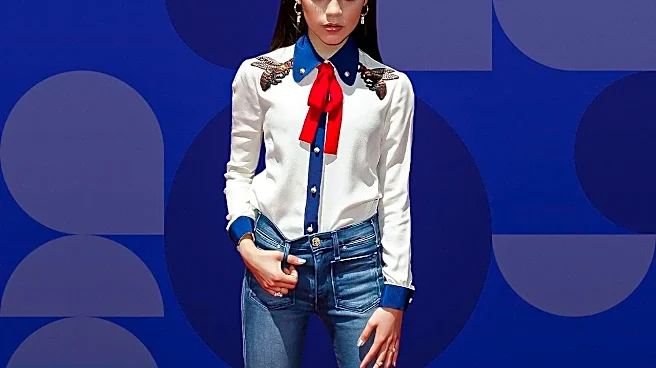
The show outside the show is just as important as what’s on the runway. Buyers pay close attention to what fashion editors, influencers, and off-duty models are wearing as they rush between venues. This
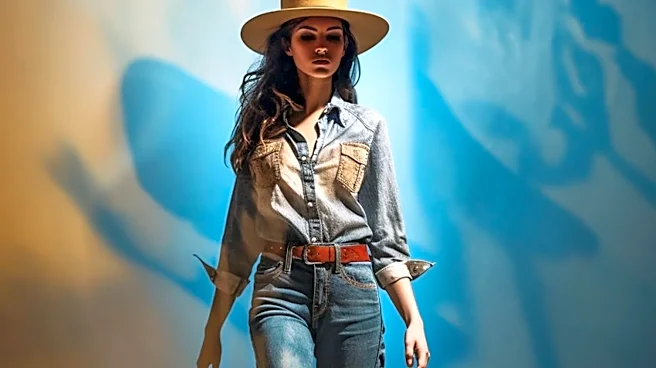
is where the real-world viability of a trend gets tested. If dozens of the industry's most photographed figures are independently wearing, say, bold polo shirts, big-buckle belts, or a specific shade of royal purple, it’s a strong indicator of a commercially viable trend. It tells a buyer that a look has genuine appeal and isn't just a fleeting runway fantasy. The cobblestone streets of Paris are a live-action focus group, and buyers are taking meticulous notes.
The Rule of Three (or More)
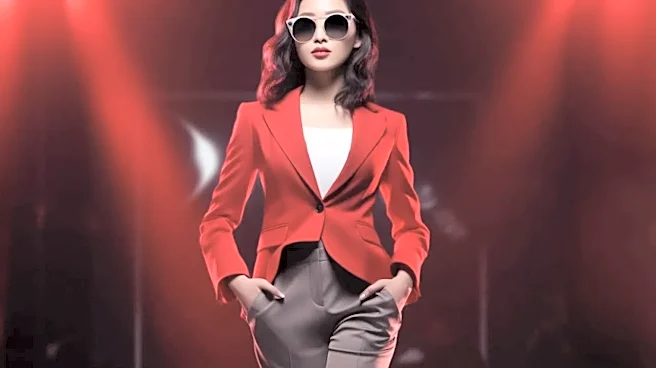
One designer showing a peplum jacket is an idea; three is a conversation; five is a trend. Buyers look for repetition across multiple, unrelated collections. When a specific silhouette, like a sharp, sculptural blazer or a floor-grazing coat, appears at Dior, then again at Tom Ford, and echoes in a younger designer's collection, it signals a broader shift in fashion's mood. This season, for example, saw a continued interest in plush faux furs and cozy, oversized scarves and wraps, suggesting a collective desire for comfort and protection. This cross-collection consensus gives buyers the confidence to invest, knowing they aren’t just chasing one designer's niche vision.
The 'It' Item in Disguise
Not every best-seller is a full look. Often, the most important trend is a single, bankable item. This could be an oversized accessory, a specific shoe style, or a novelty bag. Buyers are trained to spot the one piece that can anchor an entire season's merchandising strategy. For Fall/Winter 2026, many noted the prevalence of stirrup pants and the return of skirt suits, signaling a move away from the looser pantsuits of previous seasons. Similarly, a breakout sneaker or a unique belt can become the hero product that drives foot traffic and online sales. They’re looking for that must-have piece that customers will be asking for by name.
From Runway to Reality Translation
Runway shows are often about spectacle and avant-garde concepts. A buyer's genius lies in their ability to mentally translate these high-fashion moments into wearable, sellable garments. They might see a deconstructed, barely-on blazer and envision a chic, slightly askew jacket for the modern professional. They look past the extreme styling to the core idea. Is there an underlying silhouette that, with a few tweaks, will appeal to their customer? Designers are increasingly focused on this balance, creating immersive brand experiences while ensuring the clothes themselves are destined for consumer wardrobes. A successful collection provides both the dream and the tangible product.
The Unspoken Mood
Beyond specific items, buyers are gauging the overall mood. Is the feeling romantic and soft, with floaty fabrics and floral details? Or is it tougher, with sharp tailoring and utilitarian elements? Recent collections have shown a return to romance and a focus on texture, from brushed mohair to woven leather, suggesting a desire for clothing that feels personal and nuanced. This emotional temperature check helps them build a cohesive story for their stores. They’re not just buying clothes; they are curating a feeling that they believe customers will want to step into next season.
The Business Behind the Beauty
Finally, today's buyers are asking tougher questions than ever before. It's not just about aesthetics; it's about logistics and values. Conversations in showrooms and backrooms often revolve around sustainability, fabric traceability, and production timelines. A beautiful collection that can't be delivered on time or is made with questionable sourcing is a non-starter for major retailers. This practical layer of scrutiny is invisible to the average fashion follower but is one of the most critical factors in determining what actually makes it from the glamour of a Paris runway to the racks of a store near you.