









The Burden of a Label
The pressure begins with the name itself. The moment the media anoints a team as a “golden generation,” the clock starts ticking and expectations skyrocket. This label, meant as a compliment, becomes a narrative trap. It reframes every tournament not
as an opportunity, but as a final exam. Suddenly, anything less than a World Cup or continental trophy isn't just a disappointment; it's a historic failure to fulfill a pre-written destiny. Take England’s squad of the early 2000s. With David Beckham, Steven Gerrard, Frank Lampard, and Wayne Rooney, the talent was undeniable. They were Premier League heroes, Champions League winners, and global superstars. But put them in an England shirt, and the “Golden Generation” moniker hung over them like a storm cloud. They were a collection of incredible individuals who never quite cohered into an invincible team, exiting three consecutive major tournaments at the quarter-final stage on penalty kicks. Their era is remembered not for its brilliance, but for its frustrating inability to clear that final, title-winning hurdle.
The Brutality of Knockout Football
Unlike a long league season where the best team usually finishes on top, international tournaments are a chaotic sprint. The World Cup is a seven-game, single-elimination gauntlet in its knockout phase. One bad bounce, one controversial refereeing decision, one moment of individual brilliance—or madness—can end a four-year cycle in an instant. This format is built for drama, not for reliably identifying the planet’s best team.
The most iconic example is the Netherlands in the 1974 World Cup. Led by the legendary Johan Cruyff, their “Total Football” system was a tactical revolution. They played a fluid, mesmerizing style that captivated the world, breezing through the tournament to the final against West Germany. But after taking a 1-0 lead without a German player even touching the ball, they lost 2-1. They are remembered as one of the greatest teams to never win the World Cup, a testament to how a single 90-minute performance can overshadow years of revolutionary brilliance. Their legacy is one of beautiful failure, forever defining the high-wire act of tournament soccer.
When a Team Carries a Country
Club football has passionate fans, but international football carries the weight of national identity. For many countries, the national team is a primary vehicle for cultural expression and unity on the world stage. This elevates the pressure far beyond a simple sporting contest. A victory can feel like a triumph for the entire nation, and a loss can trigger collective mourning.
Belgium’s recent “golden generation” is a prime case study. With world-class talents like Kevin De Bruyne, Eden Hazard, and Romelu Lukaku, they were ranked FIFA's No. 1 team in the world for years. More than that, they represented a potential unifying force for a nation starkly divided by language and culture between its Dutch-speaking Flemish and French-speaking Walloon populations. Every tournament was a chance to prove that a united Belgium could be the best in the world. But they never reached a major final, and their eventual decline felt like more than just a team aging out; it was a missed opportunity for a powerful national story.
The 24/7 Legacy Watch
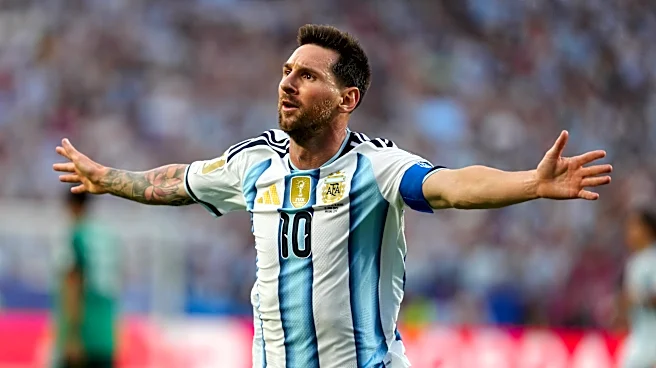
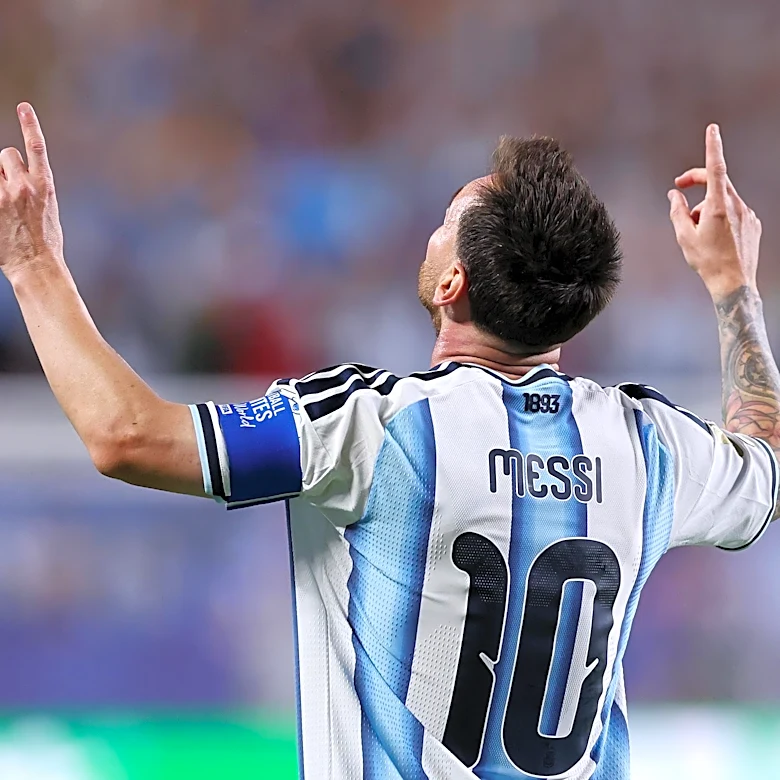
In the modern era, the pressure cooker is hotter than ever. The 24/7 sports media cycle and the relentless churn of social media create a constant, real-time referendum on a team's legacy. Every pass, every substitution, and every post-game comment is dissected. Players can't escape the narrative. For stars like Argentina's Lionel Messi, the “title or bust” pressure was a personal saga that followed him for over a decade. Until he finally lifted the Copa América in 2021 and the World Cup in 2022, his international career was relentlessly framed as a failure, despite his generational talent.
This modern media landscape flattens nuance. It prioritizes definitive, binary outcomes—winner or loser, champion or choke artist—over appreciating the journey. A team that provides years of thrilling football but falls short of a trophy is often filed under “disappointment,” their artistic merit a mere footnote in a history book written by the victors.