

The Architect of Rockabilly
When you think of the pioneers of rock and roll, names like Elvis Presley and Johnny Cash often come first. But Carl Perkins, the man who wrote and first recorded the anthem "Blue Suede Shoes," was more than just a contemporary; he was a foundational
architect of the entire rockabilly sound. Hailing from Tennessee, Perkins grew up poor, learning guitar on a homemade instrument and absorbing the sounds of the Grand Ole Opry alongside the blues rhythms from Black field hands. This fusion of country and R&B was not unique, but Perkins' approach to it was. He wasn't just playing songs; he was chasing a feeling, a raw, electric energy that didn't exist on records yet. His ambition led him and his brothers to Sam Phillips' Sun Studio in Memphis, the laboratory where this new sound would be captured.
The Sun Studio Sound and Slapback Echo
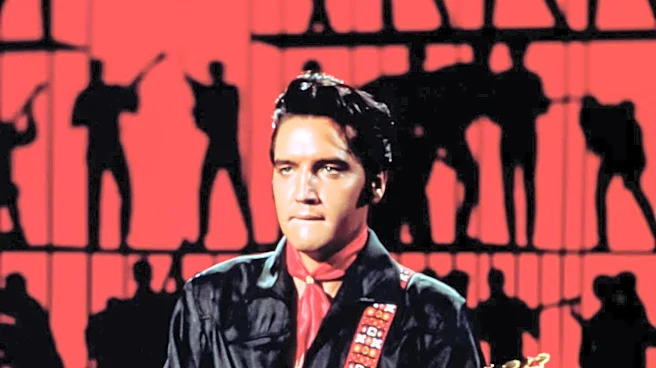
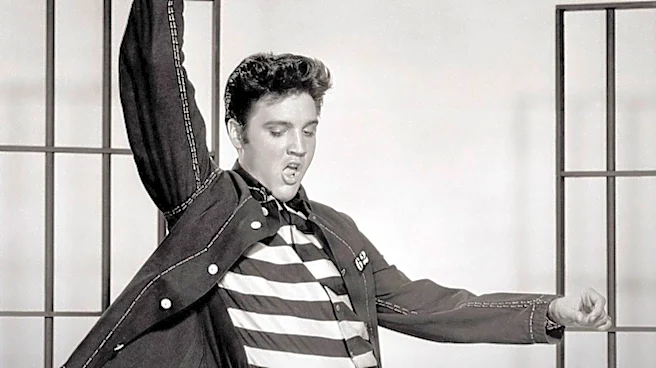
Sam Phillips' recording philosophy at Sun was simple: capture the feeling, not technical perfection. The studio itself, a small room with acoustic tiles, was an instrument in its own right. Musicians recorded together, with the sound of one instrument bleeding into the microphones of others, creating a live, energetic feel. But the secret ingredient was "slapback" echo. Phillips discovered that by feeding a signal from one tape recorder to a second one with a slight delay, he could create a quick, percussive echo that gave vocals and instruments a vibrant, otherworldly shimmer. This technique, used on early Elvis records, became the defining characteristic of the Sun sound and, by extension, the sound of rockabilly.
A Sound Forged with a Guitar
While Phillips engineered the echo, Perkins was the artist who integrated it into his very DNA as a performer. His guitar playing—a syncopated, aggressive style that blended country fingerpicking with bluesy note-bending—was revolutionary. Unlike many artists who had echo applied to their vocals as a studio flourish, Perkins played with the echo. His choppy, staccato licks were perfectly suited for the slapback effect, making the guitar and the studio technology partners in creating the song's rhythmic drive. He treated the sound not as an afterthought but as a core component of his music, especially after Sam Phillips declared him his "rockabilly cat" following Elvis's departure to RCA. This approach, where the recording technique was integral to the song itself, was a profound shift in how popular music was made.
The Lasting Echo of Influence
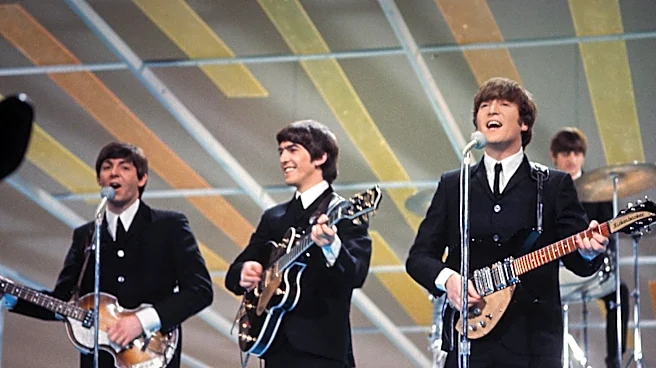
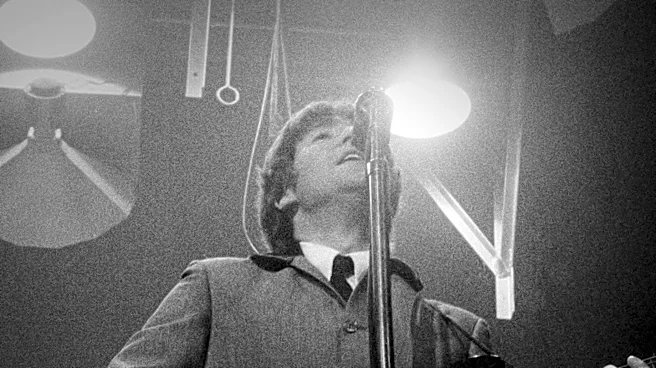
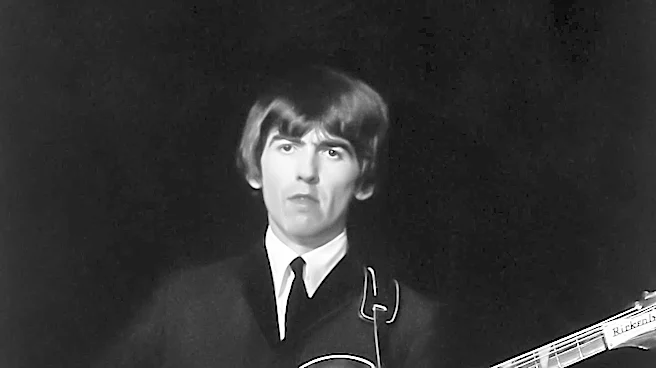
Perkins' influence didn't end in the 1950s. His innovative style echoed across the Atlantic and directly inspired the British Invasion. A young George Harrison was so obsessed with Perkins' guitar work that he studied his records note for note to learn the instrument. The Beatles would go on to record five of Perkins' songs, including "Honey Don't" and "Everybody's Trying to Be My Baby." Harrison's admiration was so deep that he adopted the stage name "Carl Harrison" during an early tour and, decades later, eagerly joined an all-star TV special to play alongside his hero. This direct lineage, from a Memphis studio to the world's biggest band, proves that Perkins didn't just write a few hits; he helped write the language of the electric guitar for a new generation.