
The Allure: A Low-Maintenance Dream
First, let's talk about the appeal, because it's powerful. Proponents, often certified permanent makeup (PMU) artists, champion lip blushing as a game-changer for clients who want to correct asymmetry, restore color lost to aging, or simply wake up looking
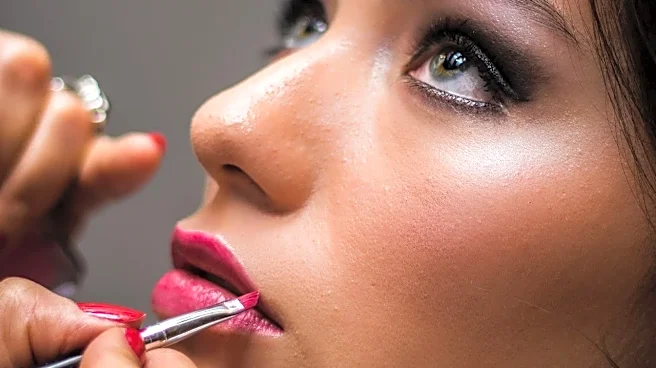
polished. The goal is a soft, natural-looking tint that mimics the appearance of healthy, flushed lips, saving time in the morning routine. For many, it’s the ultimate convenience—a color that won’t smear, fade after lunch, or require constant reapplication. The technique can also help build collagen and elastin, creating a fuller appearance without injectables. When done correctly by a skilled artist, the results can be a subtle but significant confidence boost, providing beautiful definition that can last one to three years.
The Creative Conflict: Permanence vs. Artistry
Here's where the first major disagreement comes in. For many traditional makeup artists (MUAs), makeup is an accessory—a fluid, temporary art form. They love having the freedom to create a bold, matte red lip one day and a soft, glossy nude the next. Lip blushing, being semi-permanent, locks a client into a single base color. While lipstick can be worn over it, the underlying tattooed shade can impact the final look. This removes a degree of creative control that is fundamental to a traditional MUA's craft. The disagreement isn't just about technique; it's a philosophical one about whether beauty should be permanent or adaptable. For an MUA, a client’s face is a canvas that changes daily; for a PMU artist, the goal is to create a lasting foundation.
The Unpredictable Heal: Color Theory and Fading
This is perhaps the biggest technical reason for skepticism. Lip tissue is incredibly delicate and heals differently from person to person. After the procedure, lips swell and the color appears intensely dark before scabbing and peeling. During this healing, a 'ghosting' phase can occur where the color seems to disappear entirely before 'blooming' back weeks later. The final healed color can be unpredictable. An artist’s lack of knowledge in color theory can cause the pigment to heal to an unwanted shade—like blue, gray, or orange—especially on clients with naturally darker or cooler-toned lips. Furthermore, the tattoo can fade unevenly, sometimes leaving a blotchy appearance or a persistent lip-liner effect long after the main color has gone. For a makeup artist who has to work on that face later, covering up a botched or unevenly faded lip blush is a nightmare.
The Regulation Wild West: Skill and Safety Concerns
Unlike the highly regulated world of, say, nursing or even esthetics in some states, the permanent makeup industry can be a bit of a Wild West. The quality of training and certification varies dramatically from state to state. A bad lip blush job isn't like a bad haircut; it's a semi-permanent tattoo on your face that is difficult and expensive to remove. Inexperienced technicians can cause pigment migration (where the color bleeds outside the lip line), scarring, or infections. Many makeup artists are wary of recommending a procedure where the barrier to entry is low and the potential for a bad outcome is high. Finding an artist with years of experience, a deep understanding of skin tones, and impeccable hygiene is critical, but it puts a huge burden of research on the client.
The Risk for Melanin-Rich Skin
The disagreement becomes even more pronounced when discussing clients of color. Melanin-rich lips require a specialized approach often called 'neutralization,' where an artist first uses a warm-toned pigment to cancel out cool or dark undertones before applying the target color. This process is more complex, often requires multiple sessions, and carries a higher risk of hyperpigmentation (darkening of the skin due to trauma) if not done by a highly experienced specialist. If the wrong pigment is used or it's implanted too deep, it can result in unsightly grayish or purplish hues. Many artists feel the risks are not always properly communicated to clients with darker skin tones, making them hesitant to endorse the trend broadly.