






The Polished Past: Glamour as Perfection
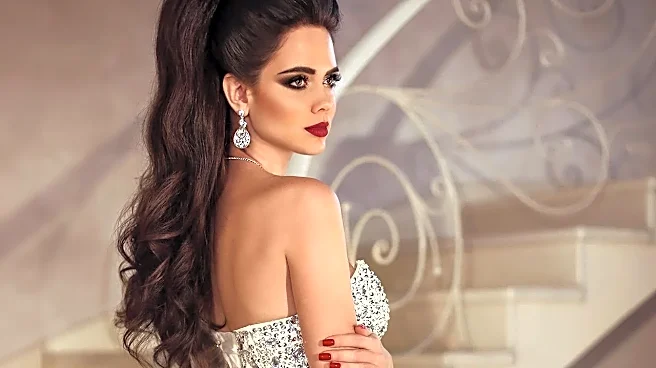
For many Baby Boomers and Gen Xers, the definition of formal hair was forged by the icons of Old Hollywood and the rise of the supermodel. Glamour was synonymous with visible effort and structured perfection. Think of the classic chignon, the lacquered
French twist, or the perfectly sculpted waves seen on red carpets for decades. The goal was to achieve a look that was polished, controlled, and distinctly “done.” This approach wasn't about looking natural; it was about showcasing elegance through meticulous styling. The architecture of the hairstyle—the teasing at the roots, the strategic pinning, and the glossy finish—was the point. It was a signal of occasion, a deliberate step away from the everyday.
The Millennial Shift: The Rise of 'Effortless' Hair
Millennials, coming of age during the dawn of social media and the “woke-up-like-this” aesthetic, began to question the rigidity of old-school glamour. Their version of formal hair softened considerably. The go-to looks became less about structure and more about texture. This generation popularized soft, romantic updos with intentionally loose pieces, tousled waves, and half-up styles that felt elevated yet touchable. The key was to look like you put in some effort, but not too much. This idea of “intentional imperfection” began to take hold, with styles that looked considered but not rigid. While still aspiring to a level of polish, millennials moved the goalpost from perfection to a more relaxed, approachable form of elegance.
The Gen Z Standard: Authenticity Over Everything
Enter Gen Z, a generation that prizes authenticity, inclusivity, and self-expression above all else. For them, the very concept of a separate “formal” self can feel dated. This generation is far more likely to see beauty as a form of individual expression rather than an adherence to a specific code. On red carpets and at proms, you’re just as likely to see natural textures, playful ponytails, or sleek, minimalist buns as you are traditional updos. The slicked-back bun, in particular, has become a Gen Z staple, favored for its clean, polished look that can transition from everyday wear to a formal event. They often reject the idea that glamour requires completely altering one’s natural hair, instead finding power in styles that feel true to their identity.
More Than Just Hair: A Deeper Generational Divide
These shifting hair trends reflect a much deeper evolution in cultural values. The Boomer and Gen X pursuit of polished updos speaks to a time when conformity and clear social signals were highly valued. Glamour was a universal language. The Millennial pivot to “effortless” styles mirrors their generation's focus on work-life balance and a desire to appear successful without looking like they tried too hard. But for Gen Z, the rejection of rigid hair codes is part of a broader movement against prescribed standards. Their choices are often driven by values like diversity and sustainability, and they are quick to spot and reject inauthentic marketing. The move toward more natural and individualistic styles is not just about aesthetics; it's a statement that one's authentic self is glamorous enough, no formal code required.