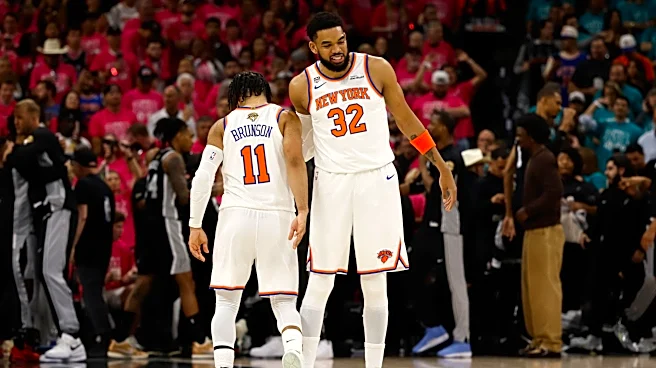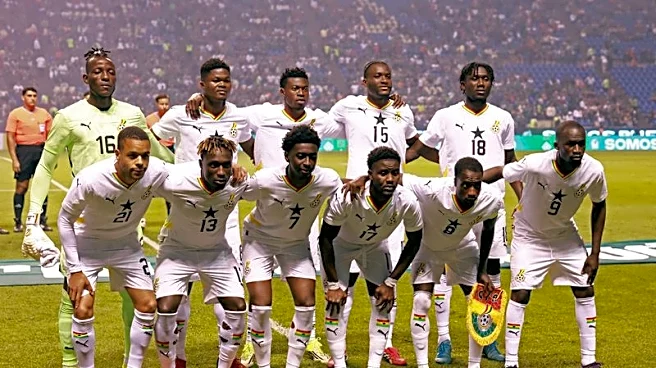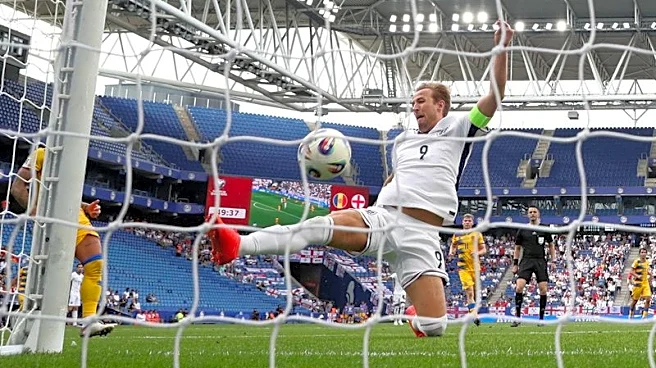



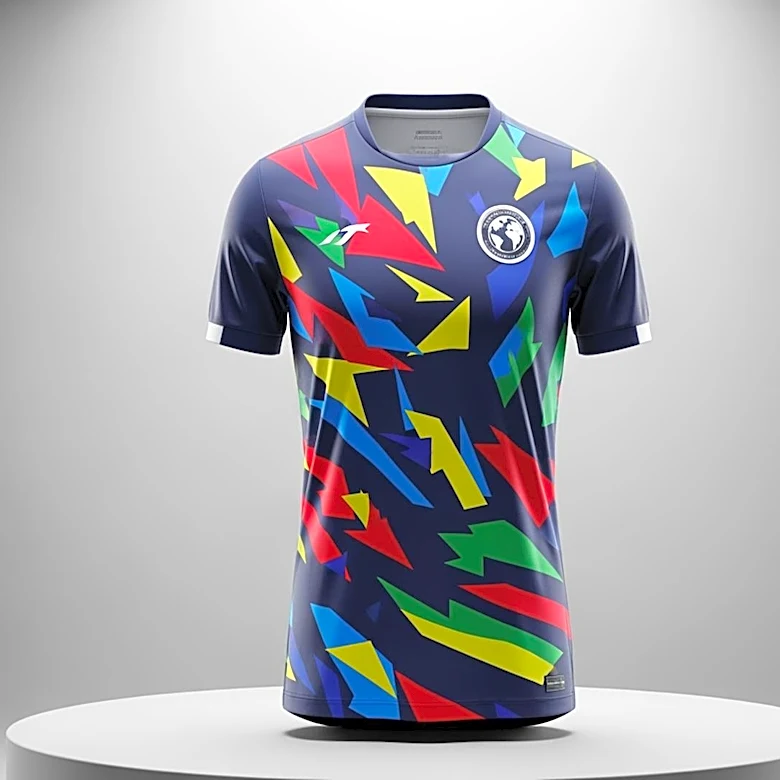




The World Cup Jersey Census
Every four years, the United States undergoes a peculiar and colorful transformation. For one month, the dominant sports conversation, typically revolving around the NFL or NBA, gives way to a global obsession. And in cities across the country, a unique
kind of fan emerges: the American who passionately roots for another nation. This isn't the casual observer picking a trendy team. This is the third-generation Irish-American who feels a primal pull for the Boys in Green, the software engineer from Chicago whose parents emigrated from Poland, or the Florida student with grandparents from Colombia. Their U.S. passports are in their drawers, but their hearts are on the fields of Qatar or Germany or Brazil. For many, the World Cup isn't just about watching soccer; it’s a quadrennial pilgrimage back to a place they may have never even lived.
More Than a Game, It’s a Connection
So why does this happen? In a country built on immigrant narratives, heritage is often a mix of cherished traditions and fading memories. For second- and third-generation Americans, the link to the “old country” can feel abstract—a last name, a traditional holiday dish, stories told by grandparents. Soccer provides a living, breathing, and intensely emotional connection to that identity. It’s a 90-minute crash course in national pride. The game offers a low-stakes, high-reward way to engage with one’s roots. You don’t need to speak the language fluently to feel the collective despair of a missed penalty or the unadulterated joy of a last-minute goal. Wearing the jersey of your ancestral home is a public declaration of a part of your story, a story that might otherwise go unspoken in the daily rhythms of American life.
The American Soccer Exception
This phenomenon is particularly pronounced with soccer because of its unique place in the American sports landscape. For decades, as football, baseball, and basketball solidified their cultural dominance, soccer remained on the fringes, largely seen as a foreign sport. This created a vacuum. While a kid in Boston with Italian heritage would almost certainly be a Red Sox fan, their soccer allegiance was up for grabs. Italy’s Azzurri could fill that void without creating a conflict of interest. Furthermore, the global nature of soccer means that national teams represent more than just a squad of players; they are avatars of a national character. The methodical precision of Germany, the flair of Brazil, the dogged resilience of England—these are sporting stereotypes, yes, but they offer fans a powerful narrative to latch onto, one that often aligns with the stories they’ve been told about their own heritage.
When Allegiances Get Complicated
Of course, the ultimate test comes when the United States plays a fan’s heritage team. This isn't a sign of being un-American; it's the ultimate expression of being a hyphenated American. The choice—or the agonizing inability to choose—is deeply personal. Some default to the team of their birth (the USA), while others feel an unshakable loyalty to the team of their blood. Many simply hope for a draw, a diplomatic solution to a deeply emotional conflict. This tension highlights a modern truth about American identity. It’s not a monolith. It’s layered, complex, and often situational. Supporting Mexico or Portugal or Nigeria during the World Cup doesn't diminish one's American-ness. Instead, it enriches it, showcasing a personal history that contributes to the nation’s multicultural fabric.