







From Red Carpet to Asset Class
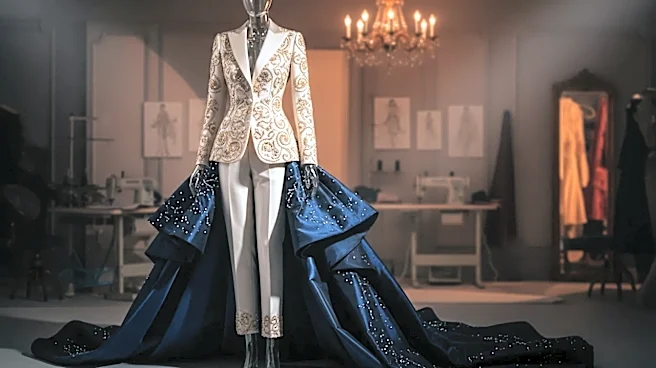
For decades, the most significant works of haute couture—one-of-a-kind garments from legendary design houses—were destined for museum collections, preserved in climate-controlled vaults. But the market has shifted dramatically. Today, archival fashion,
defined as significant, collection-worthy pieces that are at least 20 years old, is being traded at major auction houses like Sotheby's and Christie's. The global secondhand apparel market is booming, projected to hit $350 billion by 2028, and the high-end luxury sector is a major driver of that growth. This has transformed rare garments from historical artifacts into tangible assets, sought after by a new generation of private collectors and investors who see financial potential in fabric and thread.
The New Rules of Scarcity and Story
So, what makes a 30-year-old dress worth more than a house? The value is rooted in a combination of factors. Rarity is paramount; a limited-edition piece or a design from a short-lived but influential creative period is highly prized. The designer's reputation and historical significance are also key, with names like Chanel, Dior, Alexander McQueen, and John Galliano consistently commanding high prices. However, the real value multiplier is provenance—the story behind the garment. A dress worn by a figure like Princess Diana or Grace Kelly, or a piece that defined a major cultural moment, carries a narrative that dramatically elevates its worth. A 1981 sweater worn by Princess Diana, for instance, sold for a record-breaking $1.14 million in 2023.
Culture as a Catalyst
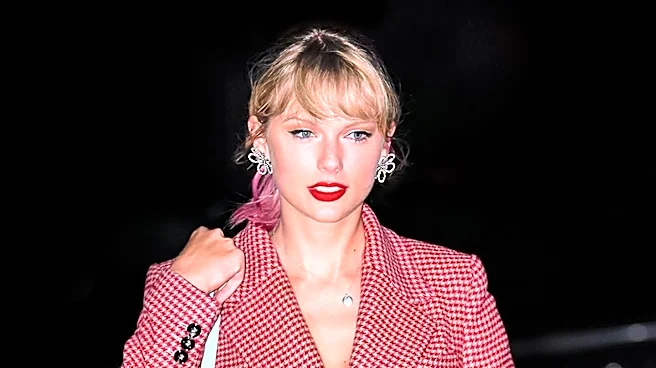
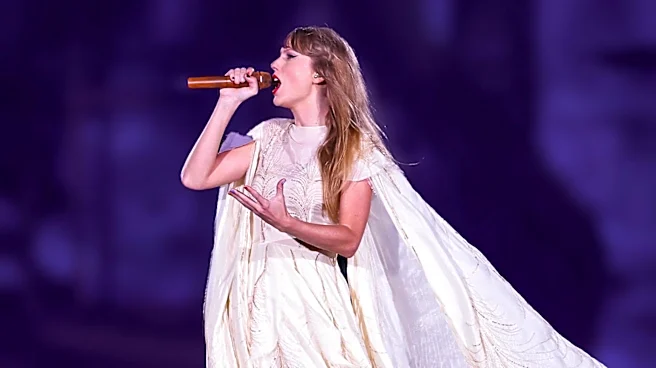
Modern celebrity culture and social media have become powerful accelerators in the archival market. When a star wears a vintage piece from Tom Ford's Gucci era or a Jean Paul Gaultier couture gown on the red carpet, it can reignite interest in a designer's back catalog overnight. These moments are instantly cataloged and discussed online by fashion enthusiasts, turning deep fashion knowledge into a form of cultural currency. This visibility doesn't just create buzz; it creates demand. Auction houses report that as interest rises, so do sales prices, with collectors eager to own a piece of a legacy that has been reaffirmed in the contemporary spotlight. This feedback loop between celebrity culture and auction blocks is defining the modern investment landscape for couture.
Who Are the Buyers?
The profile of the archival couture buyer has expanded far beyond museums. Today's collectors are a diverse group. They include serious fashionphiles who view themselves as guardians of fashion history and private investors who see these pieces as a hedge against traditional market volatility. This new wave of buyers is often younger, including Gen Z collectors who value the uniqueness, sustainability, and fixed cultural meaning that archival pieces offer over the constant churn of new luxury goods. They aren't just buying clothes; they are acquiring assets with proven cultural impact and a powerful narrative, from a subversive Prada print to an iconic Comme des Garçons design.
More Than Just a Pretty Dress: The Risks
Despite the headline-grabbing sales, investing in archival fashion is not without its risks. The market can be as fickle as any other fashion trend, and what is highly sought-after today may fall out of favor tomorrow. Beyond market volatility, there are significant hidden costs. Proper archival storage to prevent degradation from light, humidity, and pests can cost hundreds of dollars per garment annually. Professional conservation or restoration can run into the thousands. Furthermore, the market is rife with sophisticated counterfeits, especially for popular designers like Vivienne Westwood, requiring expert authentication to avoid costly mistakes. Unlike stocks or bonds, a garment's value is tied to its physical condition, and any damage can dramatically diminish its worth.