






The Universal Cleaning Solution
Before you reach for harsh household chemicals, know that the most effective formula is also one of the gentlest. In a small bowl, mix warm water with a small amount of mild dish soap or a pH-neutral laundry detergent—about one teaspoon of soap per cup
of water is a good ratio. You want a solution that's slightly sudsy but not overly foamy. This simple mixture is powerful enough to break down everyday dirt and grime but gentle enough to be the foundation for cleaning mesh, leather, and rubber without causing damage. Always start by removing laces and brushing off any loose, dry dirt with a soft brush to prevent turning it into mud.
Technique for Delicate Mesh
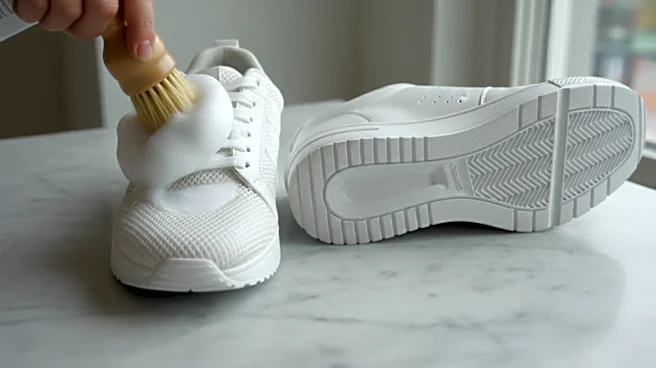
Mesh is a magnet for dirt but requires a delicate touch. Dip a soft-bristled brush (an old toothbrush works perfectly) into your cleaning solution and gently scrub the mesh. Work in small, circular motions, following the grain of the fabric to avoid fraying the fibers. The key is to dampen the mesh, not soak it, as oversaturation can damage the shoe's structure and adhesives. For stubborn spots, especially on white mesh, a paste made of baking soda and water can be applied. Let it sit for about 15 minutes before gently scrubbing and wiping it clean with a damp microfiber cloth. This helps lift embedded stains without resorting to bleach, which can cause yellowing.
Method for Smooth Leather
Leather sneakers require a slightly different approach that prioritizes preserving their natural oils. Instead of scrubbing, dip a soft cloth into your cleaning solution, wring it out well, and gently wipe down the leather surfaces. This will remove most surface dirt and stains. For scuffs that won't budge, a paste of baking soda and water can be gently rubbed on the mark and then wiped away. An alternative for general cleaning is a solution of equal parts white vinegar and water. After cleaning, it's crucial to wipe the shoes with a cloth dampened with only water to remove any soap or vinegar residue. Unlike other materials, leather can dry out, so consider applying a leather conditioner afterward to keep it supple.
Restoring Rubber Soles and Midsoles
The rubber soles and midsoles are the workhorses of your sneakers and can handle a bit more aggressive cleaning. Using your same gentle cleaning solution, you can use a brush with slightly stiffer bristles to scrub away scuffs and ground-in dirt. Don't be afraid to apply a bit more pressure here than you would on the uppers. For tough marks on white rubber, a magic eraser or a baking soda paste can work wonders. Some advise making a paste of baking soda and a small amount of hydrogen peroxide for yellowed soles, applying it, and letting it sit in the sun for about 30 minutes before rinsing. The UV light can help activate the whitening properties.
Drying and Final Touches
Proper drying is just as important as the cleaning itself. Never, under any circumstances, put your sneakers in a machine dryer. The high heat can warp the materials, melt adhesives, and shrink the fabric. Instead, stuff your sneakers with crumpled newspaper or shoe trees to help them retain their shape and absorb internal moisture. Let them air dry in a well-ventilated area away from direct sunlight or heat sources. As for your laces, you can soak them in the same cleaning solution, rinse them, and let them air dry separately for a completely refreshed look.