


The Sundance Gold Rush
To understand the mistake, you first have to understand the Sundance mystique. For decades, the festival has been the premier launchpad for American independent cinema. It’s where careers are made overnight. Think *CODA*, *Little Miss Sunshine*, or *Get
Out*. Distributors arrive in Park City with a specific mandate: find the next big thing. They are hunting for broadly appealing, English-language films—dramas, comedies, and documentaries—that can be acquired in a frenzy and marketed for awards season or a big summer release. The entire ecosystem is built around discovery and high-stakes, multi-million-dollar deals. The cold, isolated location fosters a sense of urgency, a bubble where a film’s buzz can escalate hourly, culminating in an all-night bidding war. It’s a high-risk, high-reward game, and the industry is addicted to it.
Tribeca’s Different Game
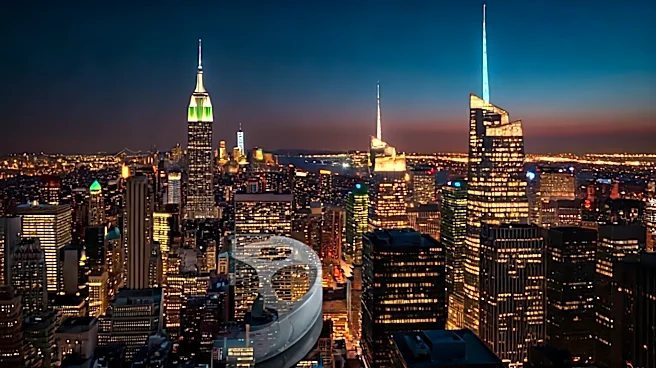
Now, let’s fly from a Utah mountain town in January to downtown Manhattan in June. The Tribeca Festival is a fundamentally different beast. Founded in the wake of 9/11 to help revitalize Lower Manhattan, its DNA is rooted in community, diversity, and the city itself. Its programming is intentionally broader, encompassing not just U.S. indies but a robust slate of international films, documentaries, TV series, and even video games and immersive VR. Crucially, its place on the calendar is after both Sundance and SXSW. By the time Tribeca kicks off, many of the year's most commercial U.S. indies have already been discovered and sold. The feeding frenzy is over. Tribeca isn’t a second chance at Sundance; it’s a different opportunity entirely. Its identity is less about launching the next blockbuster and more about curating a diverse, globally-minded cultural event for a savvy New York audience.
The Cost of a Misread Room
Herein lies the mistake. When distributors show up to Tribeca with a Sundance checklist, they’re destined for disappointment. They scan the lineup for a buzzy, star-driven American dramedy they can sell to the masses and, finding few, declare the market “slow.” They’re wearing snow boots to a summer block party. In doing so, they completely miss the point—and the real value—of Tribeca. They overlook the powerful, challenging international feature that could thrive on a streaming platform. They ignore the inventive, New York-centric documentary with a built-in audience. They pass on the genre film that’s too “niche” for a Sundance-sized bidding war but perfect for a targeted digital release. By treating Tribeca as “Sundance Lite,” they devalue films that don’t fit a narrow commercial mold. This not only hurts filmmakers who chose Tribeca for its unique strengths but also impoverishes the marketplace by filtering out diverse and unconventional stories.
A Smarter Strategy
The smart distributors—and there are a few—approach Tribeca with a different strategy. They aren't looking for a repeat of Park City. Instead, they are scouting for specific kinds of treasures. They look for films with strong regional appeal, foreign-language gems that satisfy the growing appetite for global content on streaming services, and bold documentaries that can spark conversation. They understand that a film’s success isn't always measured by an eight-figure sale and a massive theatrical rollout. Sometimes, it’s about a savvy VOD play, a strategic international release, or a long-tail streaming life. They see Tribeca not as a consolation prize, but as a curated collection of films for a post-Sundance world, where the focus shifts from bidding wars to smart, targeted acquisitions.