






The Problem with Easy Patriotism
Imagine a trailer for America's semiquincentennial. How does it open? If your first thought was a majestic, slow-motion shot of a massive American flag waving in the breeze, you’re not alone. It’s the obvious choice, the patriotic reflex. But in 2026,
the obvious choice might also be the wrong one. Starting with the flag is a shortcut. It aims to evoke an emotional response without doing the work of earning it. In a nation grappling with deep political and cultural divisions, leading with a symbol that has been claimed and contested by all sides can feel less like an invitation and more like a command to feel a certain way. For many, it might trigger skepticism or defiance before the second frame even appears. It skips the narrative and goes straight for the conclusion, assuming a unity that the celebration itself is supposed to foster. True patriotism, especially now, requires a more thoughtful approach.
Show the Nation, Then the Symbol
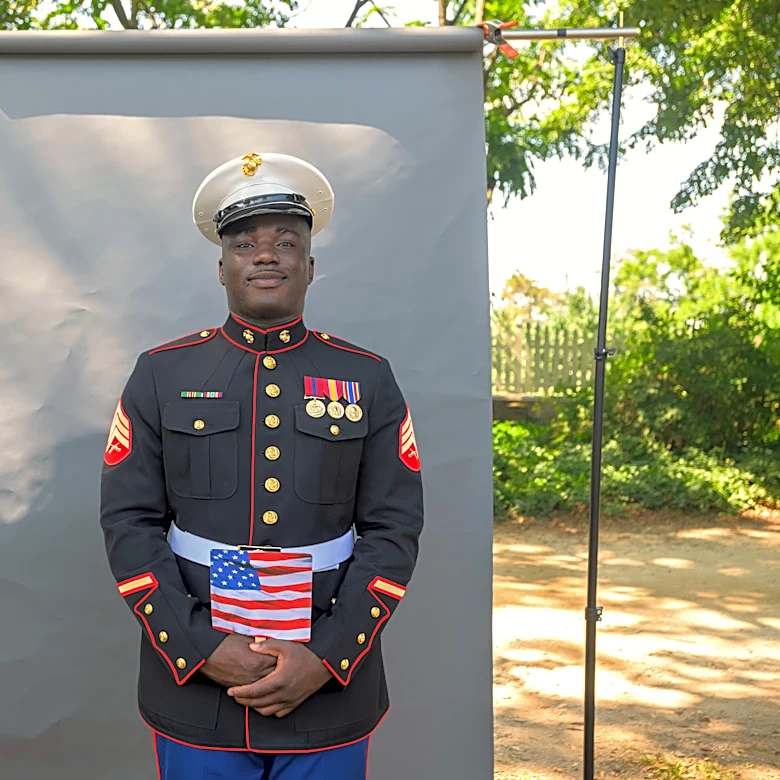
So, if not the flag, what? The answer is simple: show Americans. Show the country in all its sprawling, complicated, and beautiful reality. Open on a scientist in a North Carolina lab, then cut to a rancher on horseback in Montana. Show a teacher leading a classroom discussion in Detroit, a line cook plating a dish in New Orleans, and a coder staring at a screen in Silicon Valley. Show the quiet moments that make up American life: a family sharing a meal, friends playing basketball on a city court, a volunteer helping out at a food bank. Build a visual story from the ground up, using the faces and landscapes of the people themselves. This approach replaces a declaration of patriotism with a demonstration of what the nation actually is—a collection of millions of individual stories, struggles, and triumphs. It builds an emotional case not for a symbol, but for the people it represents.
Earning the Grand Finale
After 80 seconds of this rich, human tapestry, the trailer has built a foundation. The viewer has seen a montage of the effort, the diversity, the work, and the joy that constitutes the country. Now, and only now, is it time for the flag. When the Stars and Stripes finally appear in the last 10 seconds, the context has been completely transformed. It is no longer just a flag; it’s a repository for all the images and emotions we just experienced. It’s the promise that ties the scientist, the rancher, the teacher, and the cook together. By holding back the symbol, its eventual reveal becomes an earned climax. The flag doesn’t demand patriotism; it reflects it back to the audience, imbued with the meaning of the lives it represents. It becomes a symbol of unity because it has been shown to encompass a unified, if diverse, people.
A Message for a Complicated Country
This creative strategy aligns perfectly with the stated goals of the official America250 Commission, which aims to “educate, engage, and unite” the nation. The initiative is tasked with commemorating the full scope of American history, acknowledging both its triumphs and its ongoing struggles to form a “more perfect union.” A trailer that prioritizes people over symbols can do this implicitly. It can show the resilience of communities, the innovation born from necessity, and the quiet dignity of work without needing to spell out a complex historical narrative. Amid reports of political friction and competing commissions surrounding the anniversary, a message focused on the shared experiences of everyday Americans could serve as a powerful, unifying antidote. It would suggest that celebrating America doesn't mean ignoring its complexities but embracing them as part of the story. The strength of the nation, the trailer would argue, is found in its people.