


The Festival Is the Headliner
For most festivals, the business model is simple: book the biggest names you can afford and put them in a field. Coachella’s brand is built on its annual reunion of rock gods and the world’s biggest pop star. Lollapalooza is a four-day marathon of chart-toppers.
The names on the poster are the product. Electric Daisy Carnival (EDC) Las Vegas operates on a different philosophy. While it boasts hundreds of DJs, from global superstars to underground heroes, the true headliner is the festival itself. Insomniac Events, the promoter behind EDC, has spent decades cultivating an environment where the spectacle, the stages, and the shared experience are the primary draw. Ask a veteran attendee what makes EDC special, and they’re more likely to talk about the feeling of walking onto the Speedway for the first time than they are about a specific DJ set.
Cathedrals of Sound and Light
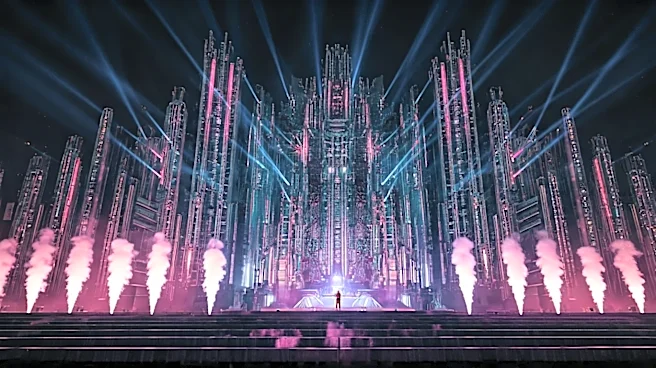
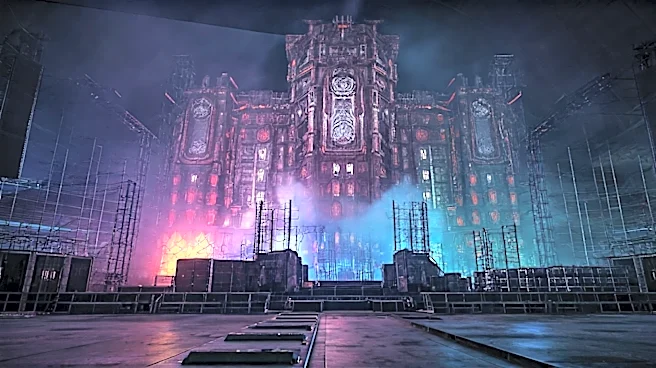
The term “production” gets thrown around a lot, but at EDC, it takes on an almost mythical dimension. This isn’t a few video screens and a laser rig. The main stages at EDC are temporary architectural marvels, multi-story structures of steel, LED panels, and pyrotechnics, each built around an annual theme. Kinetic Field, the festival’s traditional main stage, is often more than 400 feet wide and 100 feet tall, featuring waterfalls, moving parts, and enough firepower to rival a New Year’s Eve celebration. Other stages, like the wraparound LED experience of Circuit Grounds or the bass-heavy Wasteland, are destinations in their own right. Fans will camp out at a single stage for hours, not because of the DJ, but because they want to be fully immersed in that specific audiovisual world. The artists are, in a sense, just temporary pilots of these magnificent machines.
A World Beyond the Stages
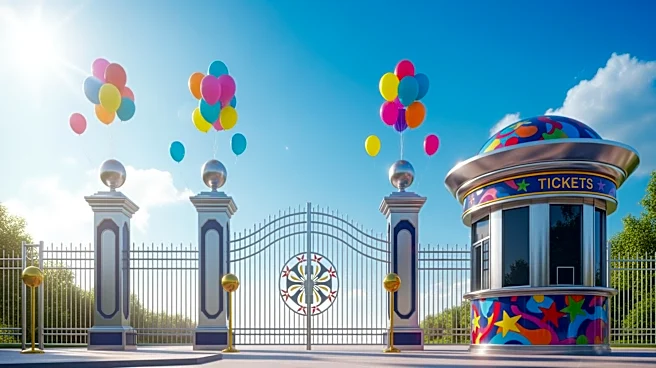
What truly separates EDC from its peers is the commitment to creating a 360-degree fantasy world. The space between the stages is just as important as the stages themselves. The Las Vegas Motor Speedway is transformed into a neon-drenched landscape filled with interactive art installations, glowing flora, and roving troupes of costumed performers—stilt walkers, aerialists, and characters who seem to have stepped out of a surrealist dream. You might stumble upon a full-scale pirate ship or a fire-breathing metal octopus, both of which are mobile art cars with their own sound systems, cruising through the crowds. This “carnival” atmosphere isn't just window dressing; it’s central to the experience. It ensures that there is always something to see and do, encouraging exploration and creating moments of spontaneous magic that have nothing to do with who is on the lineup.
The Insomniac Philosophy
This emphasis on production isn’t an accident; it’s the core tenet of Insomniac’s founder, Pasquale Rotella. His long-stated motto is, “You are the headliner.” The philosophy posits that the most important person at the festival is the attendee, and the entire environment should be engineered to give them the most memorable and immersive experience possible. This flips the traditional festival hierarchy on its head. Instead of paying to see famous people perform on a stage, attendees are paying to enter a different reality for three nights. It's a riskier and more expensive business model—building these temporary cities costs tens of millions—but it has created a fiercely loyal fanbase that trusts the EDC brand to deliver an unparalleled experience, regardless of who is on the poster that year. They're not just buying a ticket to see a DJ; they're buying a ticket to a world.