



First, What Is the High-Cut?
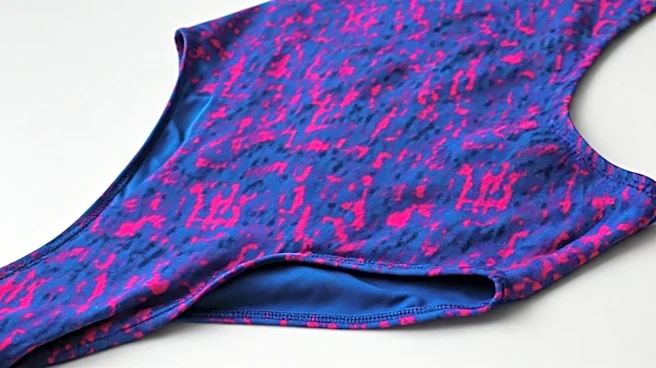
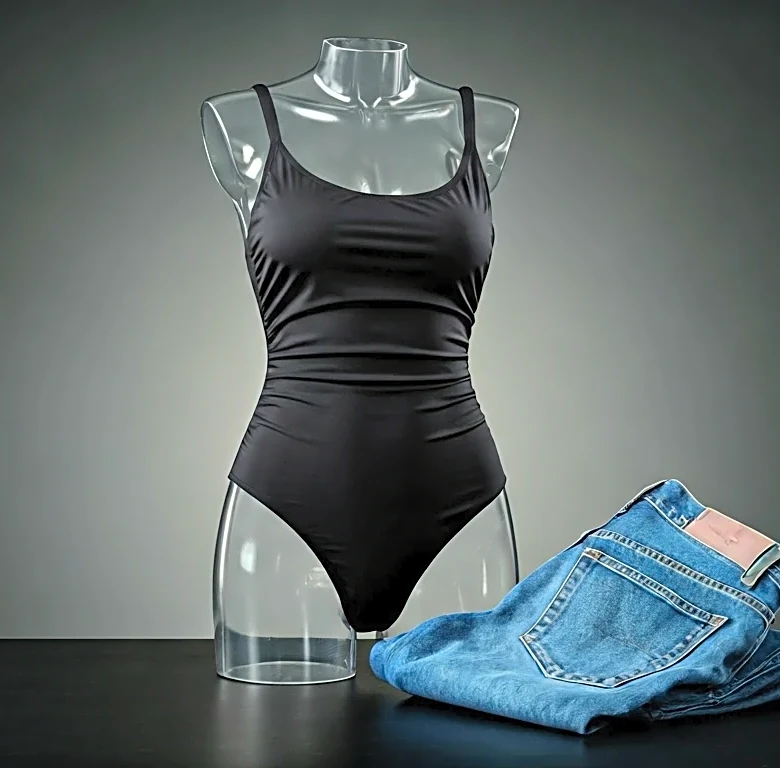
Before we dive into the why, let’s define the what. The high-cut swimsuit, also known as the French cut, features leg openings that arch up over the hip bones, often sitting at or above the natural waistline. This stands in stark contrast to the low-slung
styles that dominated the early 2000s, which sat squarely on or below the hips. Whether on a one-piece or a bikini bottom, the effect is dramatic. It exposes more of the hip and upper thigh, a silhouette famously immortalized by the lifeguards of *Baywatch* and the aerobics queens of the Jane Fonda era. It’s a cut that says less “suntan” and more “supermodel,” fundamentally altering the lines of the body.
The Optical Illusion of a Longer Leg
This is where proportion comes in. The secret to the high-cut’s enduring appeal lies in a simple but powerful optical illusion. By raising the point where the leg line begins, the swimsuit tricks the eye into perceiving the leg as longer and leaner. Think of it like this: your brain measures the leg from the bottom of the foot to the top of the fabric. The higher the fabric goes, the longer the unbroken line of the leg appears. This visual trickery effectively elongates the lower body. For decades, fashion designers have used vertical lines to create an illusion of height, and the high-cut swimsuit is simply applying that principle to the body itself. It’s not about changing your body; it’s about changing the way the eye travels over its shape.
Reshaping the Torso
The magic doesn't stop at the legs. When you visually lengthen the lower body, you automatically shorten the perceived length of the torso. This has a dual effect. First, it can create or enhance the look of an hourglass figure by making the waist appear more defined in comparison to the elongated legs and hips. Second, it shifts the body's focal point upward, drawing attention to the waist and upper body. For many body types, this creates a balanced, statuesque silhouette. This is why the same cut can look equally stunning on a diverse range of figures, from athletic to curvy. It’s not shrinking or hiding anything; it’s redistributing visual weight to create a new, harmonious proportion.
Why Now? Beyond Retro Vibes
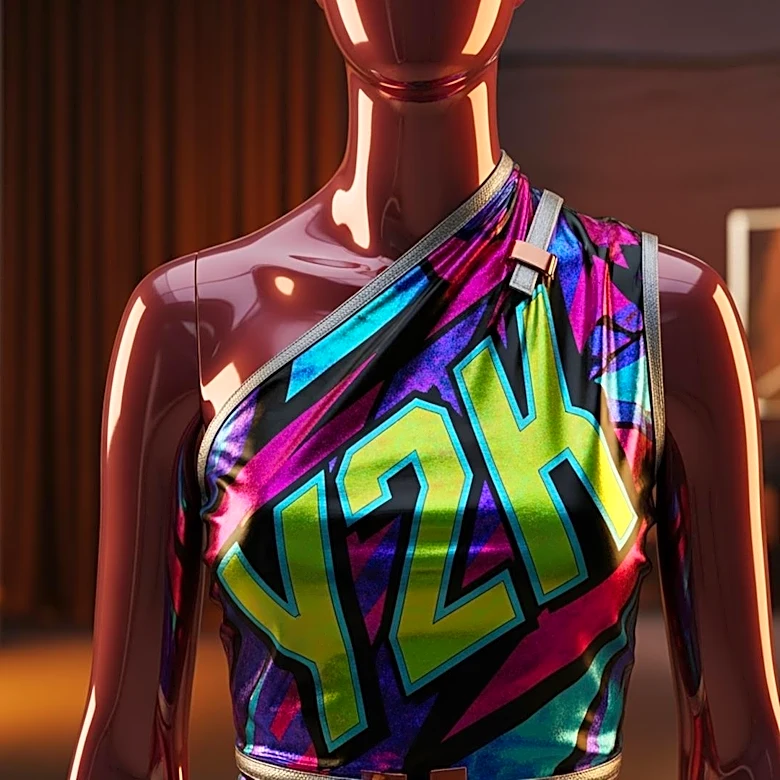
So, why is this '80s relic storming back in the 2020s? While nostalgia plays a role, the revival is more deeply connected to our current cultural mood. After two decades dominated by the ultra-low-rise fashions of Y2K, the high cut feels fresh and liberating. It also aligns perfectly with the body-positive movement, which champions celebrating—not concealing—curves. The high-cut design accentuates the natural curve of the hip, a feature that was often flattened or cut into by lower-rise styles. Furthermore, in the age of Instagram, the high-cut is undeniably photogenic. It creates a bold, graphic line that pops in photos, delivering a dose of instant glamour and confidence. It’s a design that understood the power of the pose long before the selfie was ever invented.