




The Head of the Table: The Icons
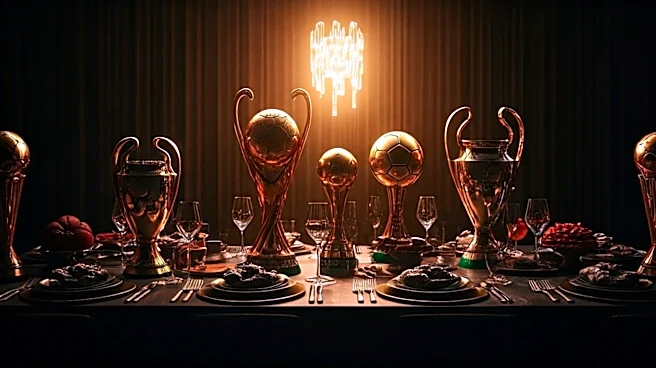
Every great gathering needs a host, a figure of such gravity that everyone else orbits them. For Brazil, that seat belongs to Pelé. He’s not just a player; he’s a global monument, the man who made the number 10 jersey sacred and won three World Cups.
His presence is a reminder of an era when Brazil defined *joga bonito*—the beautiful game. Across from him sits Zinedine Zidane of France. Where Pelé was an explosive force of nature, “Zizou” was a study in impossible elegance. A midfielder who played the game like a chess grandmaster, he controlled the tempo with a grace that seemed to defy physics. His two-goal performance to win the 1998 World Cup Final—against Brazil, no less—cements his place. One represents the soul of attacking flair; the other, the cerebral, artistic heart of the modern game.
The Finisher: The Unstoppable Strikers
Next to them, you need the conversation-starters—the players whose explosive talent leaves everyone breathless. For Brazil, it’s Ronaldo Nazário, or R9. Before injuries, he was a terrifying blend of speed, power, and skill, a phenomenon who made the world’s best defenders look like amateurs. He was comeback personified, leading Brazil to the 2002 World Cup title after a devastating final four years earlier. His French counterpart is Thierry Henry. The Arsenal legend was elegance in motion, a forward who didn’t just score goals but curated them. His signature move—opening his body to curl the ball into the far corner—was a work of art. While Ronaldo bulldozed his way through defenses, Henry glided past them. Both were inevitable, clinical, and defined what it meant to be a world-class striker in their prime.
The Entertainer: The Joyful Magicians
What’s a dinner party without a little magic? This is where Brazil sends in Ronaldinho, perhaps the most joyful superstar the sport has ever seen. He played with a constant, infectious grin, pulling off moves that seemed invented on the spot. He wasn't just trying to win; he was putting on a show. His talent was pure, unadulterated fun, a throwback to the sandlots of Brazil. France answers with a different kind of artist: Michel Platini. Before Zidane, Platini was the master of French soccer. A three-time Ballon d'Or winner, he was a midfield general who scored goals at an astonishing rate, leading France to the 1984 European Championship. While Ronaldinho’s magic was improvisational and flashy, Platini’s was calculated and devastatingly effective. Both made the impossible look easy, reminding everyone that soccer is, above all, a game of creativity.
The Modern Guard: The Global Superstars
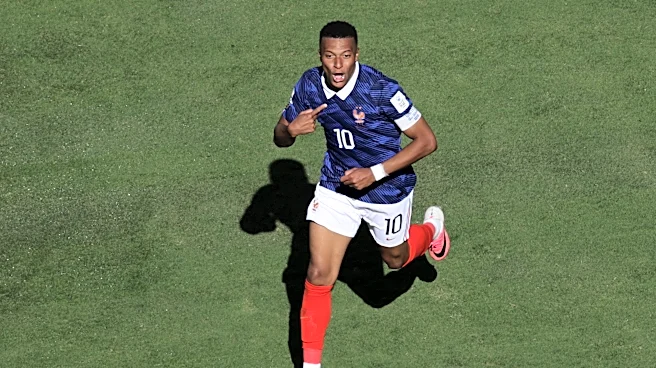
Finally, you have the new generation, the players whose fame transcends the sport. For Brazil, Neymar Jr. steps up. A player of dazzling skill and flair, he embodies the modern Brazilian star: immensely talented, globally marketable, and perpetually in the spotlight. He carries the weight of a nation’s expectations, inheriting the legacy of Pelé and Ronaldo. Directly challenging that legacy is France’s Kylian Mbappé. A force of blistering speed and ruthless efficiency, Mbappé has already won a World Cup as a teenager—a feat that puts him in the company of Pelé. As former teammates at Paris Saint-Germain, their comparison is direct and fascinating. Neymar is the samba-infused artist, while Mbappé is the high-tech athletic marvel, a player who seems engineered for the modern game. They represent the present and future of this epic rivalry.