
The Ultimate Career Launchpad
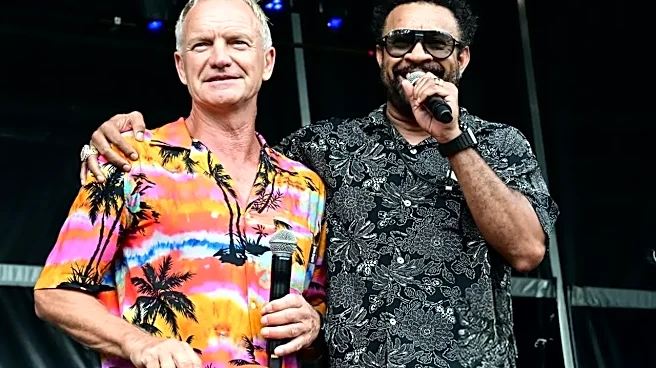
In today’s music industry, breaking through the noise is harder than ever. Yet, at Newport, a single song can change an artist’s entire trajectory. When a lesser-known act is invited on stage by a headliner—a frequent occurrence at the festival—they gain
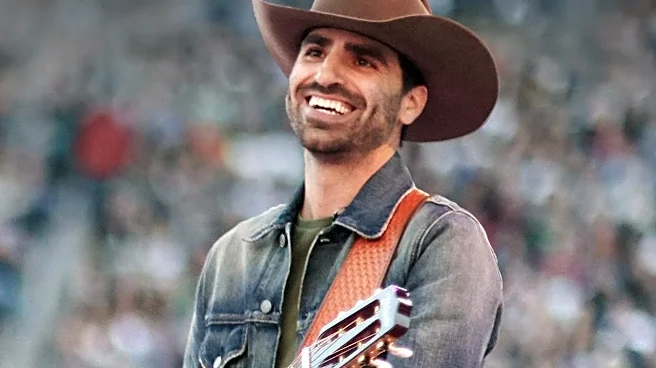
immediate exposure to a massive, engaged audience. This isn't just about a temporary spike in social media followers. It’s a powerful co-sign that tells agents, labels, and playlist curators that this artist matters. The 2026 festival saw a number of these moments, with rising acts like CMAT and Kirby gaining significant buzz from their performances. This “Newport Bump” has historical precedent; for decades, a standout performance at the fort has been a shortcut from the club circuit to national recognition. It’s an organic discovery engine in an industry increasingly reliant on algorithms, creating new stars based on pure talent and communal excitement.
Erasing and Redrawing Genre Lines
What exactly is “folk” music in the 21st century? Newport’s answer seems to be: whatever you want it to be. The festival has a long history of challenging its own definition, most famously when Bob Dylan plugged in his electric guitar in 1965. That tradition is alive and well, with lineups that intentionally blur the lines between folk, rock, soul, hip-hop, and pop. The collaborations are where this genre-bending truly ignites. When Paramore’s Hayley Williams shares the stage with indie icon Jenny Lewis and producer Jack Antonoff, as she did in 2026, it breaks down silos. Fans of one artist are introduced to another, creating new audience crossovers. This encourages artists to experiment and pushes the boundaries of Americana, proving that a fiddle, a turntable, and a synthesizer can all find a home under the same tent. It’s a powerful statement against the rigid formatting of radio and streaming services.
From Onstage Moment to New Music
The magic of a Newport collaboration often extends far beyond the festival grounds. These spontaneous pairings frequently evolve into tangible creative partnerships. An electrifying duet can lead to a co-writing session, a guest vocal on an upcoming album, or even a full-fledged collaborative tour. Look at the sprawling “& Friends” sets, like the one Nathaniel Rateliff hosted to close the 2026 festival, which featured Dave Matthews, Mavis Staples, and even the legendary Joan Baez. These aren’t just jam sessions; they are networking events happening in real-time, driven by mutual artistic respect. By fostering this environment, Newport acts as an incubator for new projects and supergroups that might never have formed otherwise. These new entities then enter the industry ecosystem, creating fresh touring packages and recorded material that can shift commercial and creative tides.
An Antidote to a Risk-Averse Business
The modern music business is often criticized for its reliance on data-driven, low-risk decisions. Newport operates on a different model: trust. The festival famously sells out every year before a single artist is announced, a testament to the faith attendees have in the curation. This gives organizers the freedom to book emerging artists and program left-field collaborations without worrying about ticket sales. It creates a space where artistry trumps analytics. Surprise appearances by legends like Joni Mitchell in 2022 or Dave Matthews in 2026 aren't just for headlines; they reinforce the idea that at Newport, anything is possible. This spirit of serendipity acts as a vital corrective to the industry’s more calculated tendencies. It reminds everyone that the most powerful moments in music are often unscripted, unpredictable, and born from a shared love of song, reshaping the landscape from the ground up.