



The Millennial Comfort Classic
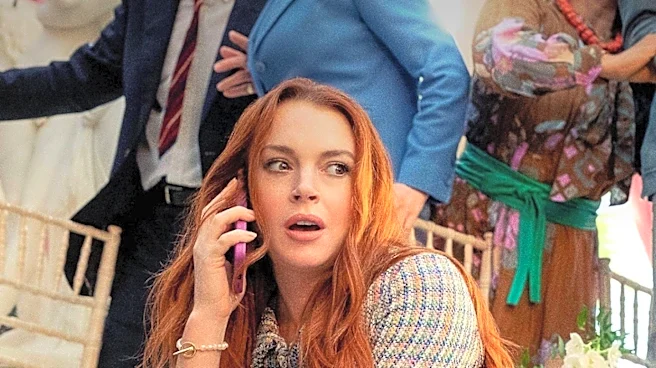
For anyone who grew up in the ‘90s, ‘Hocus Pocus’ is less a movie and more a seasonal ritual. Released in 1993, the film was initially a box-office flop. Critics were unkind, and it seemed destined for obscurity. But then, something magical happened:
cable television. Through incessant airings on Disney Channel and ABC Family's '13 Nights of Halloween,' the film found a massive second life. A whole generation of kids grew up watching the Sanderson sisters' comedic quest for eternal youth as an annual tradition. Its appeal isn't based on masterful filmmaking; it’s rooted in pure, uncut nostalgia. The slightly goofy special effects, the very ‘90s teen angst, and the over-the-top performances from Bette Midler, Sarah Jessica Parker, and Kathy Najimy created a perfect storm of Halloween comfort food. It’s not meant to be truly scary; it’s fun, familiar, and feels like childhood.
The Gen Z Gateway Horror
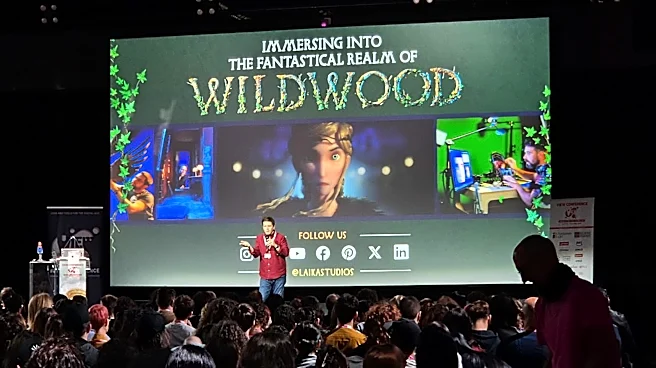
If ‘Hocus Pocus’ is a warm, nostalgic hug, ‘Coraline’ is a cool, unsettling handshake from a creature with needles for fingers. Released in 2009, Laika's stop-motion masterpiece landed in a different world. Gen Z, raised on the internet and more complex animated fare, was ready for it. ‘Coraline’ isn't just spooky; it's a work of psychological horror disguised as a children's film. Its story taps into primal fears: parental neglect, loss of identity, and the terrifying idea that the people who are supposed to love you might want to consume you. The villain, the Beldam or 'Other Mother,' doesn't just want to eat children; she grooms her victims with a perfect-looking world, making the eventual horror of her intentions all the more disturbing. This is a film that respects its audience's intelligence, trusting them to handle mature themes and genuine scares.
A Tale of Two Scares
The core difference in appeal comes down to how each film defines 'scary.' The scares in ‘Hocus Pocus’ are theatrical and silly. The witches want to suck the life out of children, but they’re also prone to musical numbers and comedic bickering. Their threat is clear, but it's defanged by camp and humor. You laugh at the Sanderson sisters as much as you fear them. ‘Coraline,’ on the other hand, deals in atmospheric dread. The horror is in the uncanny valley—the world that is almost perfect but fundamentally wrong. The iconic button eyes are terrifying not because they're gory, but because they represent a soullessness and a violation of the self. While ‘Hocus Pocus’ gives you a funhouse jump scare, ‘Coraline’ leaves you with a lingering sense of unease that stays long after the credits roll.
Nostalgia vs. Nuance
Ultimately, the generational divide is about what each cohort values in its seasonal classics. For Millennials, ‘Hocus Pocus’ is an artifact of a shared media experience. Watching it is about reliving a piece of the ‘90s and the comfort of a pre-streaming era where everyone watched the same thing at the same time. Its cult status is deeply tied to the power of nostalgia. For Gen Z, ‘Coraline’ resonates because of its artistic and thematic complexity. It’s a film that fuels analysis, fan theories, and video essays on platforms like TikTok and YouTube. Its stop-motion artistry, a blend of painstaking physical craft and digital enhancement, offers a unique, tangible beauty. It’s a film you don't just watch; you dissect and appreciate its craftsmanship. While one is beloved for what it reminds us of, the other is admired for what it is: a dark, beautiful, and unflinching piece of art.