







The Mistake That Made a Villain
For England fans, the 1998 World Cup quarter-final against Argentina was already a high-stakes affair. Then, early in the second half, with the game tied 2-2, came the moment. After being fouled by Argentina's Diego Simeone, a 23-year-old David Beckham,
lying on the ground, petulantly flicked his leg out. Simeone went down, the referee came over, and the red card came out. England, down to ten men, battled to a penalty shootout they would inevitably lose. The reaction was brutal. Beckham became a national pariah, with tabloids printing dartboards with his face on them and an effigy of him being hung outside a pub. The incident transformed him from a rising star into the man who cost England the World Cup, a narrative that fueled the already bitter rivalry with Argentina for years. It was a simple, foolish mistake, but it created a storyline of betrayal and redemption that defined a chapter of English soccer history.
A Legend's Tragic Final Act
Sometimes, a red card doesn’t forge a rivalry, but instead becomes the shocking, indelible final word on a legendary career. Enter Zinedine Zidane in the 2006 World Cup final. The French maestro, who had already scored an audacious penalty, was playing his last professional match. In the 110th minute of extra time against Italy, he exchanged words with defender Marco Materazzi, turned, and planted a headbutt directly into Materazzi's chest. Referee Horacio Elizondo, after consulting with his assistants, brandished the red card. Zidane walked past the World Cup trophy and down the tunnel, his career over in the most dramatic and unthinkable way. France went on to lose the penalty shootout. The headbutt became the single defining image of the final, eclipsing everything else that happened in the match. It was a moment of shocking violence from a player known for grace, forever etching a question mark onto the end of his otherwise sterling legacy.
The Wink Seen 'Round the World
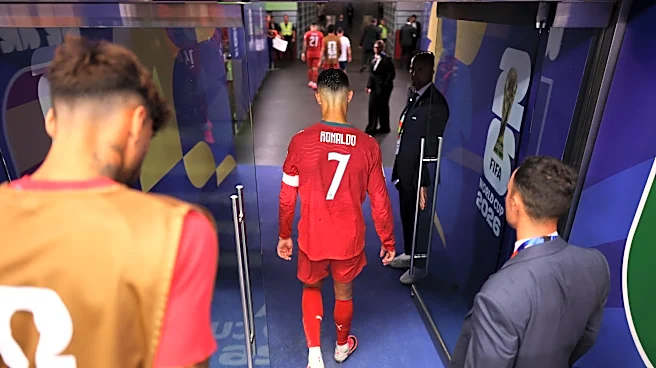
A red card can also become iconic for what happens around it. In the 2006 World Cup quarter-final between England and Portugal, another young English star, Wayne Rooney, was sent off for a stamp on Ricardo Carvalho. As Rooney protested, his Manchester United teammate, Portugal's Cristiano Ronaldo, was seen animatedly talking to the referee. After the red card was shown, cameras caught Ronaldo winking toward the Portuguese bench. The English media exploded. Ronaldo became public enemy number one, accused of getting his club teammate sent off. The wink added a layer of personal betrayal to a national defeat, making the rivalry with Portugal feel intensely personal for England fans. Though Rooney later said he held no grudge, the image was too powerful. It turned a simple red card into a complex drama of loyalty and gamesmanship, forever linking the two players' legacies within the context of their national teams.
Why These Moments Stick
So why do these moments have such staying power? It's because sports rivalries thrive on narrative. A red card offers a simple, powerful story. It creates a clear villain, a moment of injustice, or a tragic hero. In the chaos of a 90-minute match, these incidents provide a focal point for fan emotion—anger, frustration, and a lingering sense of "what if?" They are easy to remember and retell, passed down from one generation of fans to the next, becoming more myth than memory. This is the core of sports fandom: the shared stories and emotional investment that turn a simple game into something that feels like it matters on a much deeper level. The red card, in its finality and drama, is the perfect catalyst for creating these lasting tales.