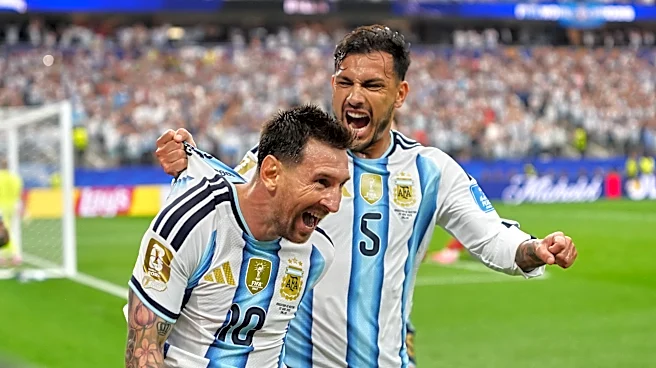


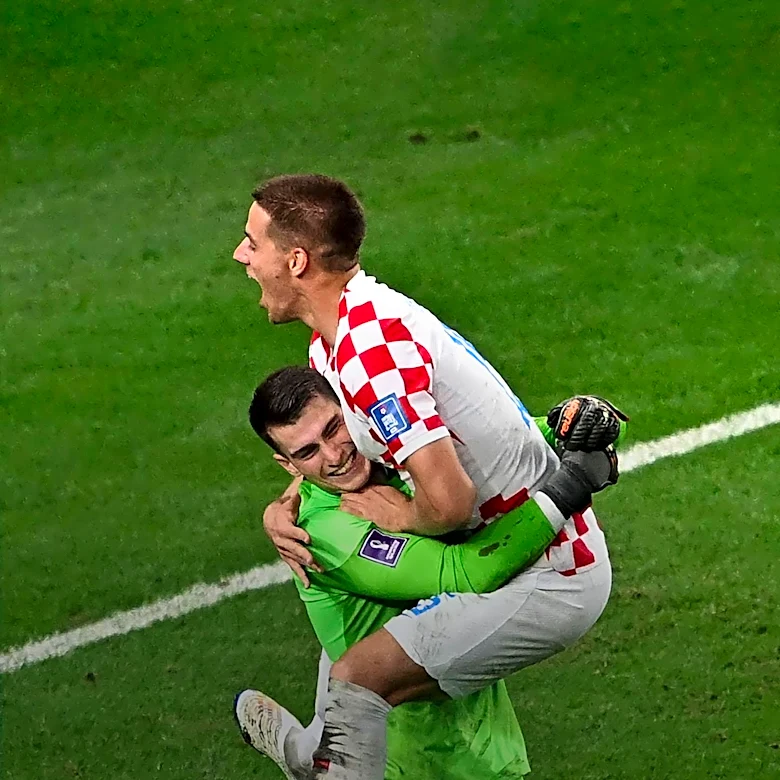





The Global-Local Formula
The most successful anthems walk a tightrope between global pop appeal and authentic local flavor. Before Ricky Martin’s “La Copa de la Vida” redefined the genre in 1998, many tournament songs were niche marches or compositions heavily focused on the host
nation. Martin, however, blended infectious Latin pop with a simple, multilingual chant (“Allez, Allez, Allez!”) that allowed fans worldwide to feel included. The gold standard became Shakira’s “Waka Waka (This Time for Africa)” for the 2010 World Cup. By building the song on a traditional Cameroonian marching chant and collaborating with South African group Freshlyground, she created a track that felt both universally danceable and deeply connected to the tournament’s host continent. This blend is crucial; it gives the song a sense of place while making the world feel invited to the party.
An Anthem Needs an Anthem
A great tournament song can’t just be a good pop song—it must be an anthem. This requires a specific sonic architecture: a simple, powerful, and universally chantable chorus. As Shakira herself noted, a World Cup song has to make people want to sing along in unison at the top of their lungs. It’s less about lyrical complexity and more about pure, electrifying energy. Think of the driving beat of “La Copa de la Vida” or the rousing chorus of K’naan’s “Wavin’ Flag.” These songs are built to echo through 80,000-seat stadiums and crowded fan zones. They provide the raw material for collective joy, a soundtrack for a shared, global experience that transcends language barriers.
Star Power and Emotional Connection
Choosing the right artist is paramount. It requires a global superstar who can embody the tournament’s unifying spirit. Shakira, with her multinational appeal, has become the unofficial queen of the World Cup, delivering anthems for multiple tournaments. Ricky Martin’s performance of “La Copa de la Vida” was so powerful it’s credited with helping launch the late-90s Latin pop explosion in the U.S. But star power alone isn't enough, as seen with Pitbull and Jennifer Lopez’s less-remembered “We Are One (Ole Ola)” in 2014. The magic happens when the song is relentlessly tied to the emotional highs of the tournament. Heard during goal celebrations, pre-game hype, and post-match analysis, the song becomes neurologically linked to the drama and passion of the games themselves.
The Unofficial Contender
Sometimes, the song that truly captures the zeitgeist isn't the official one. The most famous example is from the 2010 World Cup, where the official song was Shakira’s “Waka Waka.” While massively successful, it shared the spotlight with “Wavin’ Flag” by Somali-Canadian artist K’naan. Originally a song about the struggle for freedom in Somalia, it was remixed with more uplifting lyrics for a Coca-Cola promotional campaign. Its message of hope and unity resonated so deeply that for many, it became the true anthem of the South Africa tournament. This phenomenon highlights the ultimate truth: you can’t manufacture a cultural moment. While FIFA and its partners create the official soundtrack, it’s the global audience that decides which song will become the memory.