


Defining the Architectural Dress
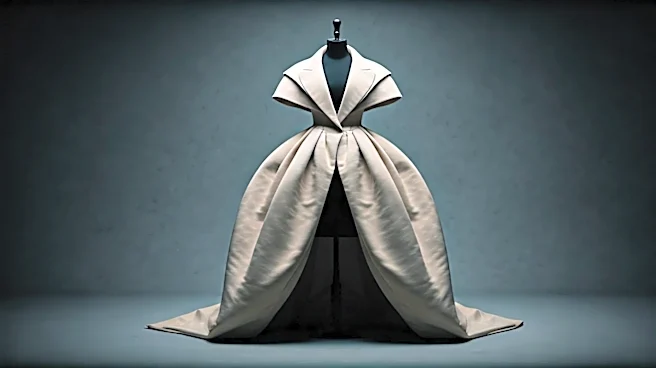
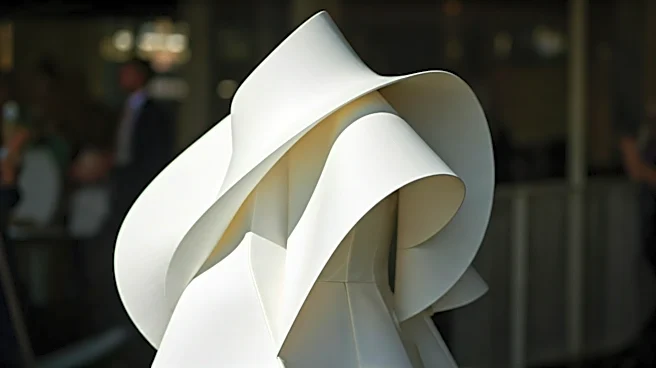
So, what exactly makes a dress “architectural?” It’s a move away from the soft, romantic, and often flowy designs that have long dominated occasionwear. Instead, think of clothing that seems engineered rather than simply sewn. These are garments defined
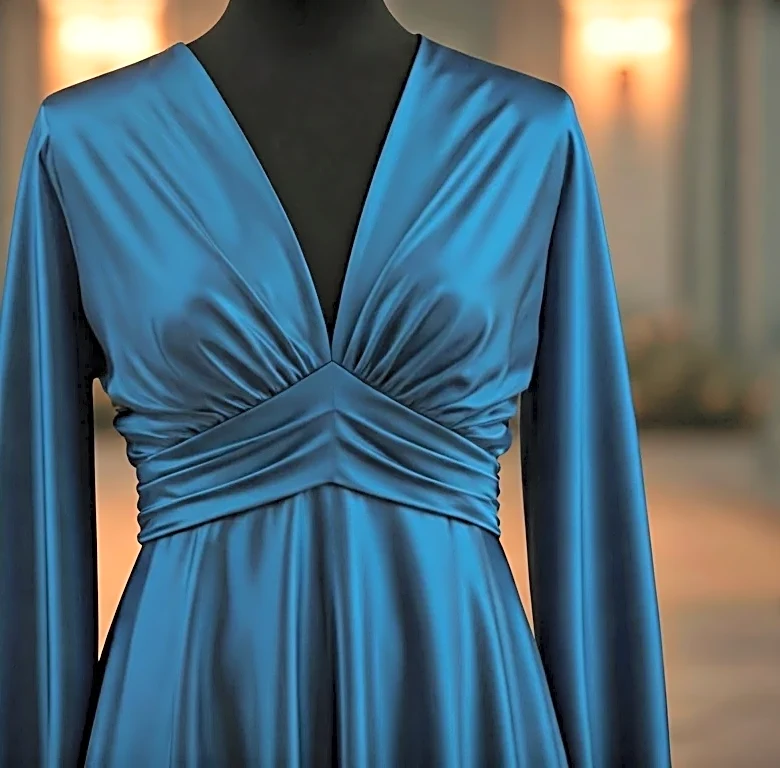
by their structure: sharp, dramatic shoulders; origami-like pleats that create dimension; and sculptural ruffles that hold their own shape rather than cascading softly. It’s less about prints and more about form. The silhouette itself becomes the main event. While traditional Ascot style often leans into a very English, garden-party aesthetic, this trend feels more global, more modern, and unabashedly bold. It borrows from the language of sculpture and building design, using fabric to create lines, angles, and volumes that command attention.
It Starts with the Shoulder
The most obvious entry point for the architectural trend is the shoulder. For several seasons, the strong shoulder has been making a comeback on runways, and now it has firmly arrived at high-society events. At Ascot, this isn't just about a subtle shoulder pad. We’re seeing exaggerated, voluminous puff sleeves that stand at attention, sharp-angled cap sleeves that create a futuristic line, and even one-shoulder designs where a single, sculptural detail does all the talking. This isn’t the soft, billowy sleeve of a bohemian blouse; it's a structured element that reshapes the wearer’s frame. Designers like Alessandra Rich and Emilia Wickstead, favorites among the British style set, have perfected this look, offering dresses that feel both powerful and polished. The effect is a dose of drama and confidence, turning a simple dress into a statement piece.
Sculptural Skirts and Asymmetric Lines
The structure isn't just happening up top. Hemlines and skirts are also getting the architectural treatment. Instead of full, flowing skirts, this trend favors more controlled shapes. Think of A-line skirts made from stiffer fabrics that create a clean, crisp bell shape, or peplum details that jut out with precision. Asymmetry is another key tool. A dress might feature a cascade of ruffles that look as if they’ve been frozen in place, or a skirt with a dramatic, angular drape that cuts across the body. These aren't accidental flourishes; they are intentionally designed to create visual interest and a sense of movement that is both controlled and dynamic. It’s a sophisticated way to add intrigue to a monochrome outfit, allowing the cut and construction of the garment to be the focal point.
Why Structure Feels So Right, Right Now
Fashion trends are rarely arbitrary; they often reflect a collective mood. The shift towards architectural dressing could be seen as a reaction to years of enforced casualness and the soft, comfortable ‘cottagecore’ aesthetic that dominated during the pandemic. As we step back into the world for big events, there’s a renewed appetite for dressing up in a way that feels intentional and strong. A structured dress is like a form of personal armor. It projects confidence, control, and a certain self-assuredness. In a world that can feel chaotic and uncertain, there’s something appealing about the precision and order of a perfectly constructed garment. It’s a visual declaration of strength, a modern take on power dressing that feels less about the boardroom and more about celebrating personal presence and style.