




The Room Where It Actually Happens
Forget marching bands for a moment and picture this: a long, polished table in a nondescript government building. Around it sit the members of the U.S. Semiquincentennial Commission, the body Congress created back in 2016 to plan this whole affair. This
group is a deliberately mixed bag: historians, members of Congress from both parties, philanthropists, and federal officials. Their mandate is to orchestrate the largest and most inclusive anniversary observance in the nation's history. But what that actually means in a deeply divided country is the subject of intense, often contentious, debate. Every decision, from which historical narratives to elevate to how to allocate funding for state-level projects, becomes a proxy war for the soul of the nation.
A Celebration Under Siege
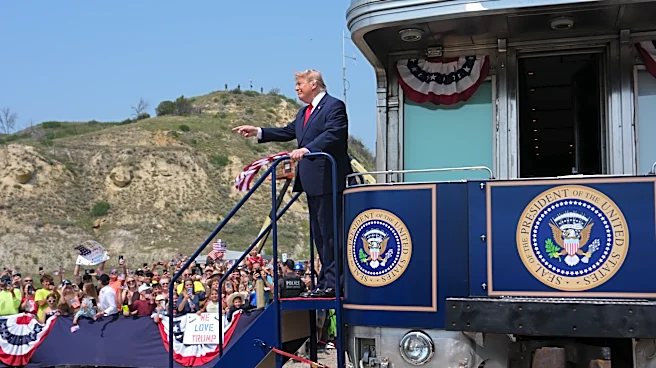
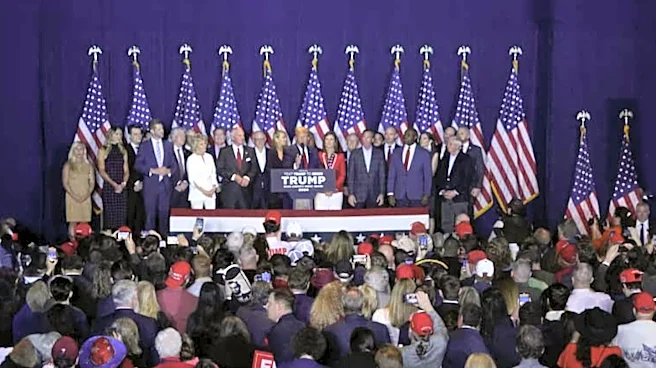
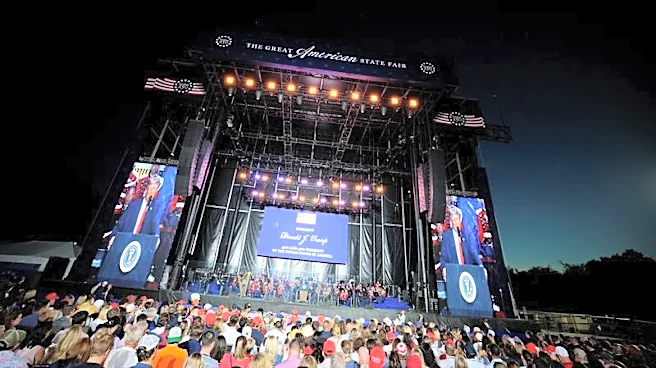
The planning for America 250 has been anything but a smooth, nonpartisan exercise in patriotic unity. The original commission, branded as America250, found itself in a power struggle. The Trump administration established a parallel entity called Freedom 250, which effectively sidelined the congressionally chartered group and diverted federal resources. According to a blistering congressional report released in July 2026, this new group has been accused of turning the celebration into a partisan vehicle, promoting a specific political ideology, and even using deceptive fundraising tactics. This backdrop of political maneuvering and controversy makes every decision by the original commission even more freighted with meaning. Their work isn't just about planning a party; it's about defending the very idea of a shared, nonpartisan national story.
The Anatomy of a Single Vote
This is why a simple committee vote is so compelling. Imagine a motion on the floor: should the commission officially partner with a project that tells the complex, painful stories of marginalized communities during the revolution, or should it back a more traditionally triumphant, unifying event? A vote on this isn't just procedural; it’s a decision about what kind of country we are commemorating. It forces members to go on the record. It represents the culmination of lobbying, horse-trading, and heartfelt appeals. Each 'aye' or 'nay' is a distillation of a worldview, a theory of what America is and what its anniversary should represent. In these moments, the abstract goals of 'educating, engaging, and uniting' the country crash into the messy reality of our disagreements.
A Microcosm of the American Experiment
The quiet, often frustrating, process of this committee is a perfect metaphor for the American democratic experiment itself. We don't all agree. The process is often bogged down by conflict and competing interests. Progress is incremental and born of compromise. While grand speeches and flashy events provide the spectacle, the real work of self-governance happens in rooms like this. It’s where differing views are forced to collide and, hopefully, reconcile enough to move forward. Watching a group of Americans with fundamentally different ideas about their country argue, negotiate, and ultimately cast a vote to decide a collective course of action is, in its own way, the most authentic tribute to the messy, imperfect, and enduring spirit of 1776.