





Follow the Money—Intelligently
Top-line fundraising numbers are often misleading. A candidate can raise a staggering amount but spend it just as quickly. Insiders look at two critical sub-metrics: the burn rate and cash on hand. The burn rate is the percentage of money raised that
gets spent in a given period. A consistently high burn rate, especially on non-essential costs like lavish events or high-priced consultants, is a major red flag. It suggests poor financial management. What matters more is cash on hand—the actual money in the bank. This is the campaign’s “war chest,” the funds available for the final, crucial stretch for advertising and get-out-the-vote efforts. A campaign with a healthy bank account is a campaign with options. The source of the money also tells a story. A large base of small-dollar donors indicates grassroots enthusiasm, while a heavy reliance on a few max-out donors can signal a campaign with a limited ceiling of support.
The Unseen Power of the Ground Game
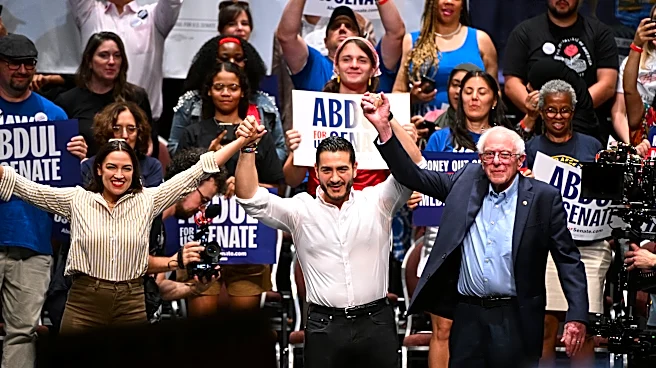
Television ads and viral social media posts are the visible part of a campaign—the “air war.” But elections are often won on the ground. A strong ground game refers to the unglamorous, person-to-person work of organizing volunteers, knocking on doors, making phone calls, and registering voters. This is how campaigns identify their supporters and, most importantly, ensure they actually turn out to vote. Insiders know that a flashy campaign with no real organizational muscle in key districts is often a paper tiger. They look for evidence of a robust field operation: staffed offices in swing counties, a constant presence at local events, and a well-organized volunteer network. This infrastructure is what translates voter interest into actual votes on Election Day, and it can be the decisive factor in close races.
Message Discipline and Earned Media
Can the candidate stay on message? Or are they constantly distracted by feuds, gaffes, and self-inflicted wounds? Insiders watch message discipline with an eagle eye. A contender has a clear, repeatable theme and consistently ties every issue back to it. They don’t get dragged into every fight and know how to pivot back to their core narrative. This discipline directly impacts earned media—the free press coverage a candidate gets. A disciplined campaign can generate a steady stream of positive stories that reinforce their message. A chaotic one spends its time responding to negative cycles. Persuading undecided voters is often about presenting a coherent and persuasive message, which is difficult when a campaign is constantly in damage control mode.
The Quality of Endorsements
A long list of endorsements can look impressive, but insiders know to look for quality over quantity. An endorsement from a retired official in a non-competitive state is political clutter. An endorsement from a major union with a powerful get-out-the-vote operation in a swing state, however, is a signal of real strength. Strategists also look at who isn't endorsing. If a candidate is failing to win the backing of key figures from their own party's establishment or influential activist groups, it can be a sign of deep-seated weakness. These endorsements are a proxy for a candidate's ability to build a coalition—a crucial skill for both winning an election and governing effectively. It shows they have the trust and respect of people who know how to win.
Candidate Stamina and 'The Intangibles'
Finally, insiders assess the candidate themselves. Running for high office is a grueling marathon that tests a person's physical and mental stamina. Does the candidate seem energized and engaged on the trail, or are they visibly exhausted and irritable? Do they connect with voters in person, or do they seem distant and rehearsed? Beyond simple performance, there is the gaffe rate. Every politician makes mistakes, but a contender learns from them and avoids repeating them. A pretender often displays a pattern of unforced errors, revealing a lack of preparation or discipline. This isn't just about avoiding bad press; it's about whether the candidate has the judgment and resilience required for the highest levels of leadership.