



The Year-Round Blueprint
The magic of Black Rock City doesn't start when the gates open in late August. It begins months, sometimes even a full year, in advance, in countless living rooms and video calls around the world. This is where theme camps—the interactive, neighborhood-like
hubs that form the city's soul—are born. Organizers dream up a concept, whether it’s a roller disco, a pancake breakfast spot, or a tranquil meditation space. From there, it's a marathon of planning: creating detailed camp layouts to submit for official placement, budgeting for everything from water to sound equipment, and recruiting a team of volunteers. These groups function like small startups, managing logistics, dues, and the monumental task of coordinating a collective vision.
Hauling the Bones
Getting the physical components to the middle of the desert is one of the biggest logistical hurdles. For many larger camps, the humble shipping container is the skeleton key. These 20- or 40-foot steel boxes are not just for transport; they are the foundational building blocks. Regional groups often organize container programs, allowing camp members to ship their gear, food, and structures across the country. Once on site, these containers become the walls of the camp, secure storage from the harsh desert elements, and even the framework for multi-story creations. They arrive on flatbed trucks as blank, industrial canvases, ready to be integrated into a city plan that is meticulously surveyed and flagged weeks before most participants arrive.
Raising the City From Dust
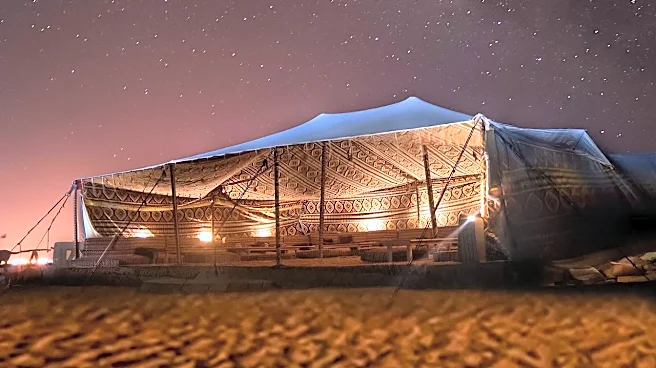
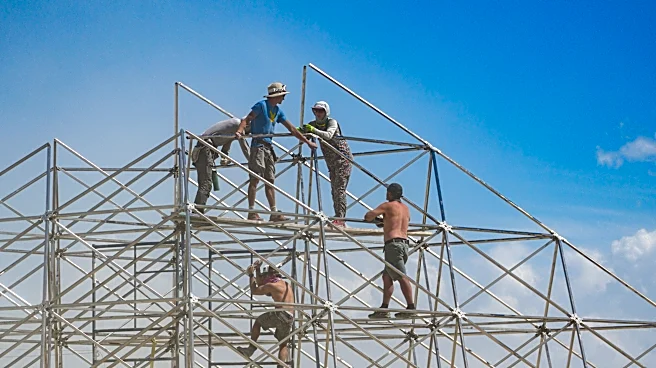
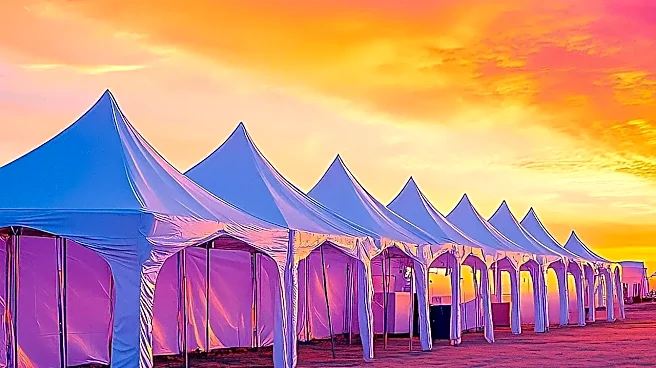
The build week before the event officially starts is a frenzy of radical self-reliance and communal effort. This is when the raw infrastructure is transformed. Shipping containers are arranged to create plazas or block the relentless wind. Scaffolding is erected, shade structures are stretched, and geodesic domes rise from the desert floor. Teams work in the extreme heat and dust, turning detailed diagrams into physical reality. Generators are placed, often serviced by fuel delivery programs, to power elaborate lighting and sound systems. What was an empty, dusty plot of land becomes a complex, functioning neighborhood in a matter of days, all through the coordinated labor of volunteers.
Inside the Finished World
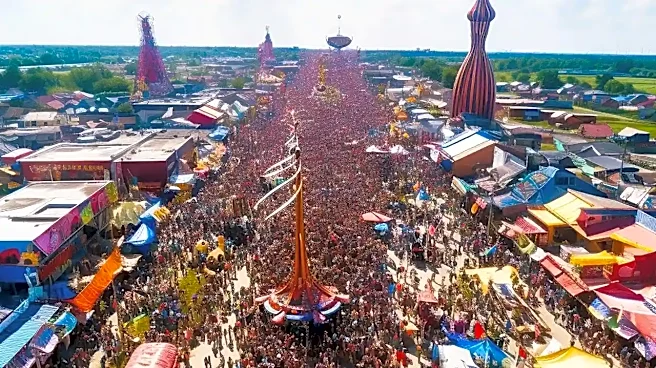
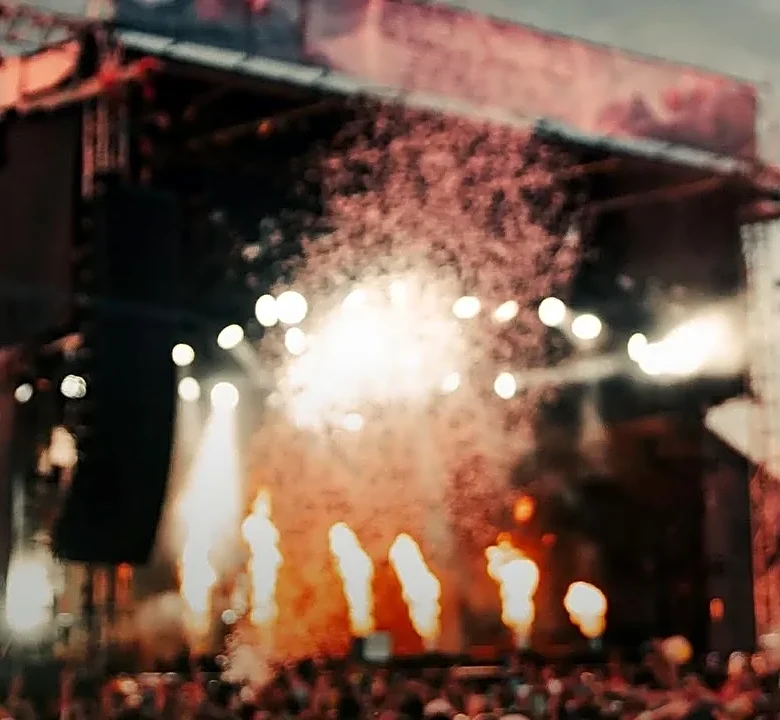
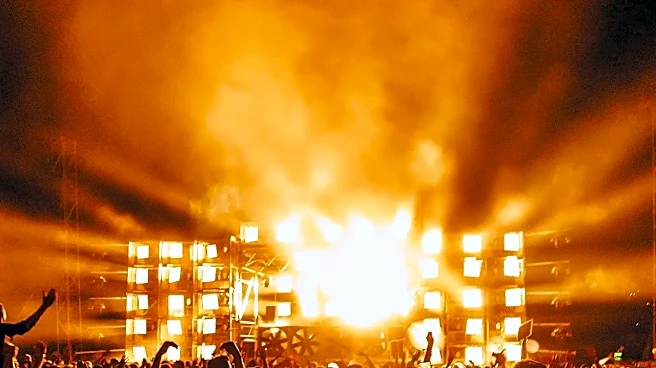
When the gates open, the transformation is complete. A shipping container’s corrugated steel wall might now be a projection screen for a film festival. Another could be the sound-proofed backbone for a thumping sound camp with a DJ booth built into a 747 cockpit. Others are turned into climate-controlled lounges, art galleries, or havens for workshops. Camps offer everything from bike repair and costume exchanges to spiritual guidance and, famously, free food and drinks as part of the event's gift economy. The raw infrastructure has completely dissolved into the background, becoming the unseen support for a vibrant, interactive sensory world designed to be explored, experienced, and co-created by everyone who visits.