



The Homework Comes First
Long before the first note is played, the director’s work begins. A successful live broadcast is built on a foundation of intense preparation. The director and their team will study the artist’s setlist, often watching previous performances to understand
the show's structure and energy. They need to know the music inside and out—when the quiet bridge happens, where the drum solo erupts, and which moments are likely to make the crowd go wild. This research is translated into a detailed plan, often called a camera script or shot sheet. This document maps out key moments in each song and assigns potential shots, ensuring camera operators are ready to capture specific actions, like a keyboardist’s intricate fingerwork or a backup singer's powerful vocal run. It’s not about rigidly scripting every second, but about creating a shared roadmap for the entire production team.
Orchestrating from the Control Room
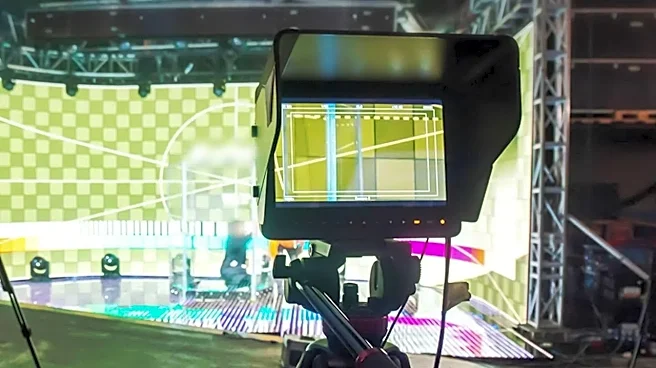
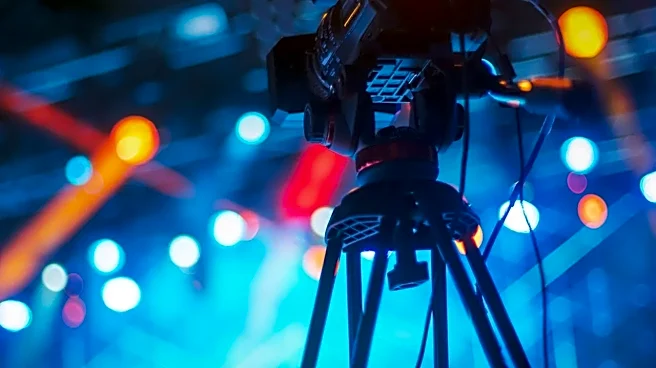
The nerve center of any live broadcast is the production truck or control room. Here, the director sits before a wall of monitors, each displaying a feed from one of the many cameras positioned around the venue. These can include cameras in the pit for intense close-ups, on cranes for sweeping stage views, at the back of the venue for wide shots, and even on stage with the performers for intimate, unique angles. The director isn’t alone; they are the leader of a team that includes a technical director (who physically switches the cameras), graphics operators, and audio engineers. Most importantly, they are in constant communication with the camera operators via headset, guiding them in real-time. This constant dialogue is crucial for getting the right shots and adjusting to the performance as it unfolds.
Telling a Story in Real Time
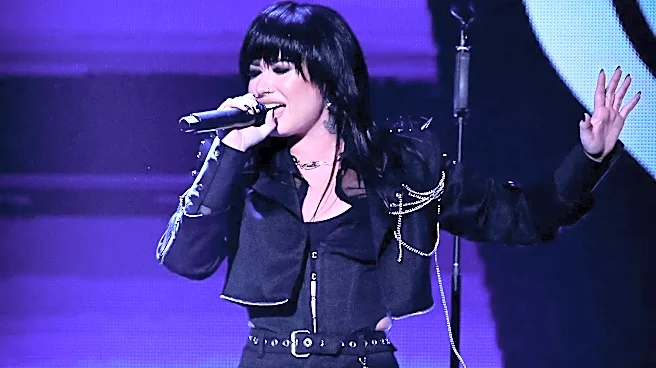
At its core, directing a live performance is about storytelling. The director’s choices determine the narrative the home audience experiences. A tight shot on the lead singer’s face conveys intimacy and emotion, while a wide shot of the entire stage emphasizes the scale and spectacle of the production. A quick cut to the roaring crowd amplifies the energy of a powerful chorus. The rhythm of the cuts is just as important as the shots themselves. A slow, thoughtful song might call for long, deliberate dissolves between cameras, while an upbeat rock anthem demands rapid-fire cuts that match the music’s tempo. A good director will tap their foot to the beat, feeling the pulse of the performance to ensure their cuts enhance the musical experience, rather than distract from it. It's a high-stakes puzzle, weaving together different visual elements to create a cohesive and engaging story.
Embracing the Unexpected
No amount of planning can account for everything that happens during a live show. A guitarist might spontaneously jump into the crowd, a special guest might appear unannounced, or a piece of equipment might fail. This is where a director’s instincts take over. Their ability to remain calm under pressure and adapt is what separates a good director from a great one. While one camera is dedicated to the lead performer, others are tasked with capturing anything else that happens on stage, like a blistering guitar solo or a dramatic drum fill. If an unplanned moment of magic occurs, the director must instantly decide how to best capture it, guiding their camera operators to the action without missing a beat. These unscripted moments often become the most memorable parts of a broadcast, all thanks to a director's quick thinking and their team's ability to execute on the fly.