



The Golden Rule: Fit the Shoulders First
Before diving into specific runway trends, it's crucial to understand the single most important rule of buying any blazer or suit jacket: the shoulders are the one area you must get right. It's the foundation of the entire garment, dictating how the rest
of the fabric drapes. Unlike sleeve length or waist suppression, which are relatively easy for a tailor to adjust, altering a jacket's shoulders is complex, expensive, and often impossible. A proper fit means the shoulder seam should sit exactly where your natural shoulder bone ends. If the seam droops down your arm, the jacket is too big, which will often cause a divot or collapse in the fabric just below the seam. If it sits too close to your neck, the jacket is too small and will pull across your upper back, restricting movement. Getting this one detail right is the first step toward looking polished and put-together.
Lesson 1: The Power of the Structured Shoulder
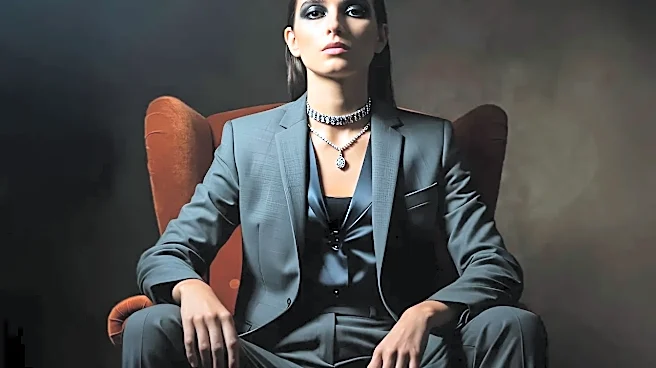
Across recent London and Paris runways, a return to '80s-inspired power dressing has brought the structured shoulder back into focus. This style uses internal padding to create a firm, sharp, and often extended silhouette. The look is authoritative and formal, adding definition and presence. On the catwalks, designers like Paul Costelloe and Joseph have showcased architectural tailoring with exaggerated shoulders that command attention. For your own wardrobe, a structured shoulder is perfect for professional settings or formal occasions where you want to project confidence. It works particularly well for those with sloping or narrow shoulders, as the padding can help create a more balanced and commanding frame. The key is ensuring the structure enhances your shape rather than overwhelms it.
Lesson 2: The Quiet Confidence of the Soft Shoulder
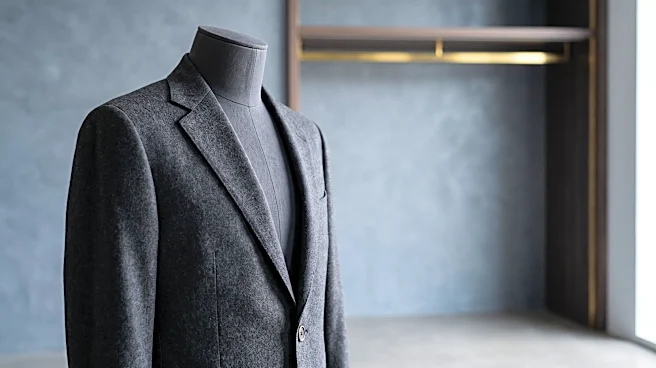
In contrast to the sharp power shoulder, many collections also highlighted the elegance of soft, natural shoulders. This style, often associated with Italian tailoring, uses minimal to no padding, allowing the jacket to follow the body's natural lines. The result is a relaxed, less rigid silhouette that prioritizes comfort and ease of movement. A jacket with a soft or unstructured shoulder feels lighter and drapes more gently, offering a refined but approachable look. This style is ideal for more casual blazers, sports coats, and linen or summer-weight suits. It conveys a sense of quiet confidence and is particularly flattering on those with a naturally strong or broad shoulder line, as it avoids adding unnecessary bulk. It’s a reminder that sometimes, the most sophisticated fit is the one that looks the most natural.
Lesson 3: The Intentionality of the Oversized Fit
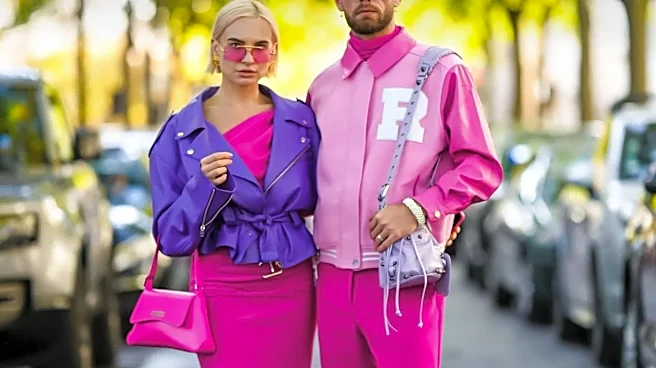
The oversized blazer remains a fixture in modern style, but London's street style and runway interpretations show it's a look that requires precision. While an oversized blazer is intentionally cut to be roomy, the shoulder fit still matters. For the look to appear chic and deliberate, rather than simply sloppy, the shoulder seam should align with or drop just slightly past your natural shoulder. If it hangs too far down your arm, the silhouette loses its shape. Designers have embraced this trend by pairing expansive blazers with wide-leg trousers or using them to create a dramatic, elongated line. The trick to wearing it well is balance. An oversized jacket works best when paired with more fitted elements—like slim-fit trousers, a simple T-shirt, or a sleek skirt—to ensure the overall look feels proportional and intentional.