




You have a closet full of clothes and a Pinterest board full of inspiration, yet every morning you face the same feeling: you have nothing to wear. The gap between your digital style fantasy and your daily reality can be frustrating. What if the answer
isn't on a screen?
The Great Divide: Pinterest vs. Reality
Pinterest is a tool for dreaming. It's filled with perfectly lit, context-free images of the person you imagine you could be—the one who attends chic rooftop parties and always looks effortlessly polished. The problem is, these digital mood boards are often disconnected from the practical demands of your actual life, which might involve commuting, running errands, and long days at a desk. The clothes we save online are aspirational, purchased for a fantasy version of our lives, while the clothes we actually wear are the ones that serve our real-world needs for comfort and function. This isn't a failure of taste; it's a fundamental disconnect between your real routine and the wardrobe you've built around a different one.
Why Your Brain Loves a Good Uniform
The small handful of outfits you wear on a loop aren't a sign of a style slump; they're a sign of efficiency. High-performing individuals from Barack Obama to Mark Zuckerberg have famously adopted personal uniforms to reduce 'decision fatigue'. Every small choice we make, including what to wear, taps into a finite mental resource. By automating this daily decision, you conserve that energy for more important tasks. Beyond productivity, the clothes you repeat are the ones your subconscious has already vetted for comfort, confidence, and a sense of self. They are the pieces that make you feel most like 'you' without even trying. This repetition isn't boring—it's data. It’s your brain telling you what truly works.
Your Style Audit: Reading the Clues
The key to unlocking your authentic style is sitting in your laundry basket. Instead of scrolling for more inspiration, start by analyzing the clothes you wear most often. Pull out the 5-10 items you've reached for consistently over the past month. Now, look for the patterns. What do they have in common? Are they a specific color palette, like black, cream, or denim blue? Do they share a silhouette, like loose and relaxed fits versus tailored and structured ones? Pay attention to fabrics—are they soft knits, crisp cottons, or durable denim? These common threads are your true style signatures, the preferences your body and lifestyle have been voting for all along. This audit provides an honest look at what you value, whether it's practicality, comfort, or a particular mood.
From Uniform to Intentional Style
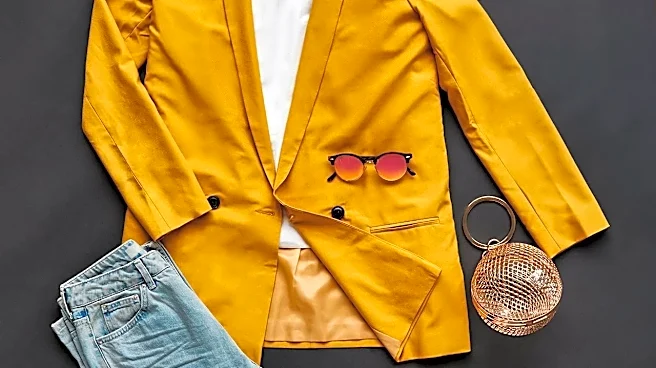
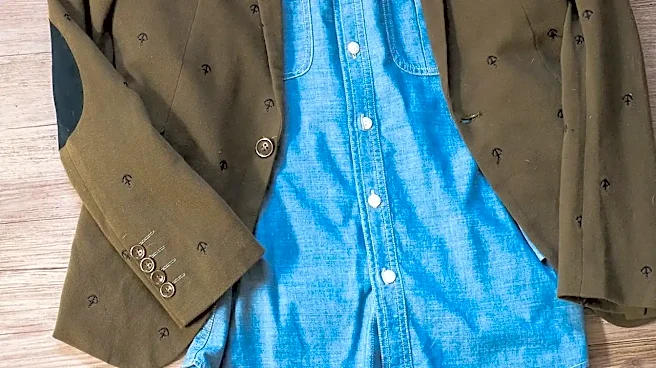
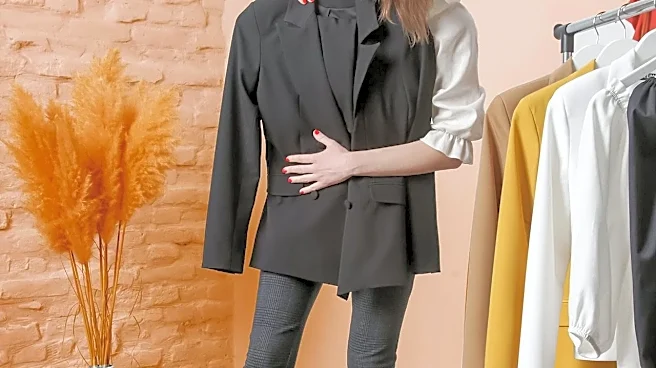
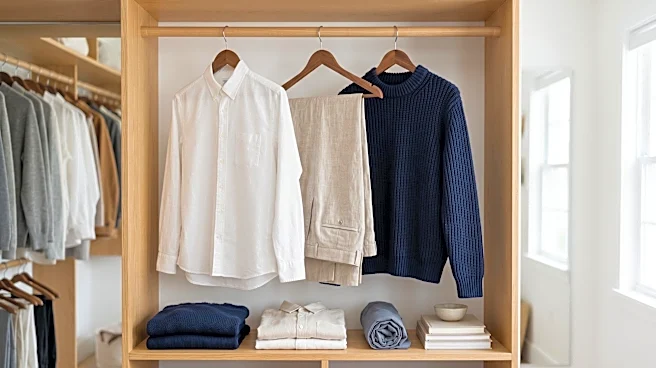
Once you've decoded your go-to pieces, you can start building a wardrobe that's both authentic and versatile. The goal isn't to buy a whole new closet, but to shop with purpose to fill in the gaps. If you've realized your core style is built on great jeans, a perfect blazer, and simple tees, you can focus on finding variations of those items—perhaps a new wash of denim or a blazer in a different texture. Think of it as creating a 'capsule wardrobe' of interchangeable items. When you do feel the need to try something new, use your core style as a filter. Ask yourself: 'Does this new piece work with at least three things I already own and love?' This simple question shifts your shopping from chasing fleeting trends to making intentional investments that enhance the style you already have. Repeating outfits is a sign of confidence and clarity, showing you know what works for you.