




The Stopwatch Comes Out
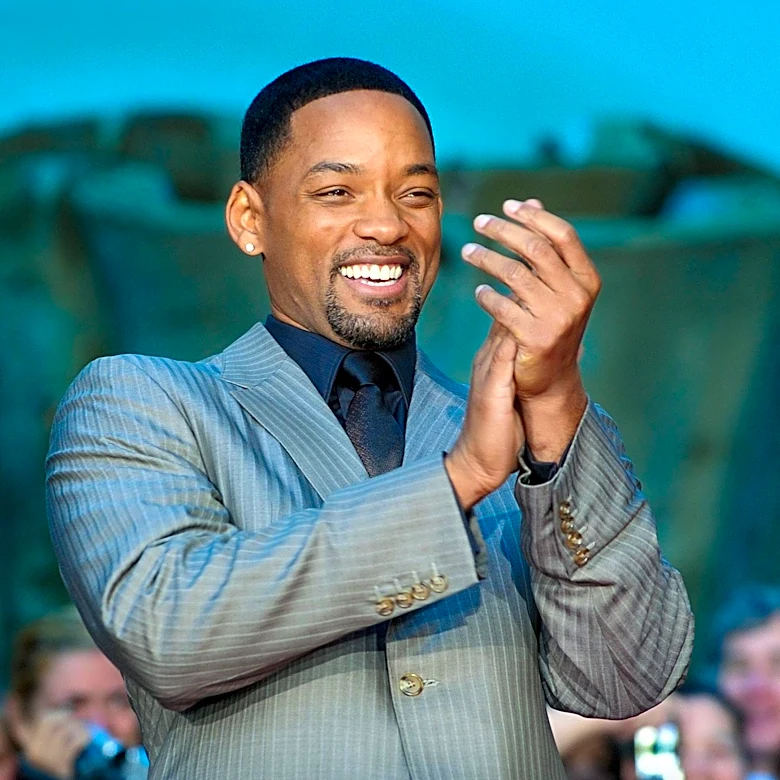
Imagine this: a new film premieres at a palace of cinema on the Venice Lido. The final credits appear, the lights come up, and the audience, a mix of critics, industry insiders, and the film’s own cast, gets to its feet and starts clapping. And they don't
stop. Not for one minute, not for five, but for a length of time that would feel awkward at a Broadway show or a rock concert. Welcome to the film festival world's strangest spectator sport: the timed standing ovation. At major festivals like Venice and Cannes, journalists from trade publications quite literally pull out their stopwatches. A six-minute ovation is noted. An eight-minute one makes headlines. A twelve-minute marathon? That's immediate awards season buzz.
A Brief History of Clapping
This wasn't always the case. For much of the 20th century, European festival audiences were more famous for booing than cheering. Films that are now considered classics, like "L'Avventura" and even "Taxi Driver," were met with jeers. The shift to timed, reported ovations is a relatively recent phenomenon, really taking off in the early 2000s. It started as a way to quantify the electricity in the room for a genuinely beloved film. But as media coverage grew, the ovation itself became the story. What was once a spontaneous expression of joy has evolved into a key piece of a film's initial marketing push.
So, What Does It Really Mean?
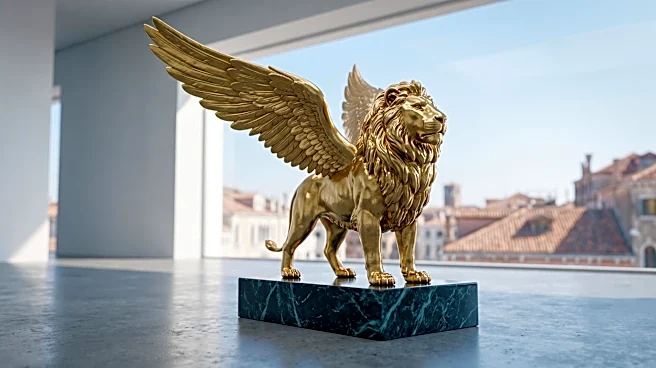
The long-held belief is that the longer the ovation, the better the film, and the stronger its chances for awards like the Golden Lion or, down the line, an Oscar. An extended ovation is seen as the first sign that a movie has connected on a deep, emotional level. But it’s not that simple. Many now view the tradition with a healthy dose of skepticism. The applause is often a sign of respect for the talent in the room—the director and stars are right there, watching. The cameras are on them, broadcasting their tearful reactions on the big screen, which encourages the audience to keep clapping. It can also be influenced by PR teams who want to generate a positive news cycle. A long ovation doesn't always correlate with critical acclaim or box office success; some films that received minutes-long applause were later met with mixed reviews.
The Politics of Applause
Sometimes, the applause is about more than just the movie. It can be a reflection of real-world sentiment. At recent festivals, films about politically charged topics have received some of the longest ovations. A film about the war in Gaza, for example, received a record-breaking 22-minute ovation at last year's festival, seen by many as a powerful political statement as much as cinematic praise. Conversely, a polite, shorter-than-expected ovation for a film with major stars can be read as a sign of audience disappointment. It's a complex, high-stakes game where every minute of clapping (or lack thereof) is scrutinized for deeper meaning.