




The Continuity Bible
Nothing on a film or TV set is left to memory, especially when it comes to costumes. Since productions rarely shoot in chronological order, a character might film the end of a chaotic sequence before the beginning. To keep every grass stain and tear in the exact
same place, costume departments create a 'costume bible'. This is a master document, often digital, that breaks down the script scene by scene. For every single look, the team takes detailed photographs from multiple angles, noting everything: Is the shirt tucked in? Which buttons are undone? How is the sleeve rolled? These photos and meticulous notes are the ultimate source of truth, ensuring a costume can be recreated perfectly, whether it's for a shot filmed tomorrow or a month from now.
The Art of the Breakdown
The people responsible for making new clothes look old, worn, and damaged are called 'breakdown artists' or 'ager/dyers'. Their job is to artfully destroy costumes to tell a story. This isn't random; it’s a highly skilled craft that uses a surprising array of tools. To create authentic wear, artists might use sandpaper, cheese graters, and files to thin fabric at the elbows, knees, and collars. For a sun-bleached look on a denim jacket, they might use carefully applied paint. To achieve general grime or the dinginess of a well-worn t-shirt, they often use dyes, with tea and coffee being popular choices for giving white fabrics an aged, yellowish tint. The goal is to make the costume a part of the character's history, reflecting their journey and environment.
Blood, Sweat, and More
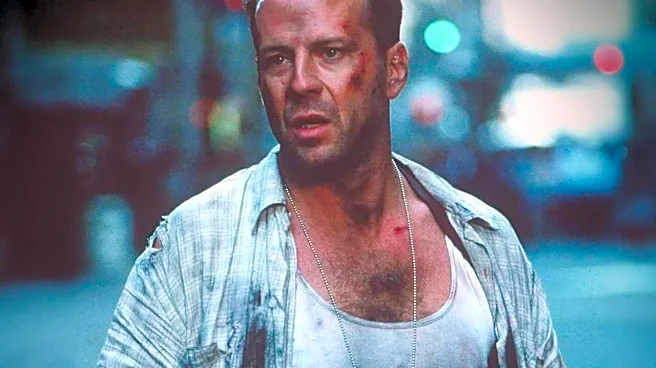
When it comes to substances like blood and sweat, precision is everything. For sweat, a simple spray bottle of water isn't always enough, as it dries too quickly under hot set lights. A common professional mixture combines water and glycerin, which mimics the sheen of real perspiration and lasts longer. This 'sweat' is then sprayed or dabbed onto areas where people naturally perspire, like the neckline, back, and armpits. Blood is even more complex. Productions use various types of fake blood—some for fresh wounds, some for dried blood, and pastes for scabbed-over looks. These are often applied via hidden tubes and pumps for spurting effects or painted on for stains. Teams must track the exact placement and state of the blood for each stage of a scene, often using their continuity photos as a guide to replicate splatter patterns perfectly from take to take.
The Power of Multiples
So what happens if a blood pack explodes differently, or a shirt gets too dirty during a stunt? This is where 'multiples' come in. For any costume that will undergo significant damage, the department will have numerous identical copies. It’s not uncommon for a lead actor in an action movie to have 20 or 30 versions of the same shirt. Some are kept pristine for scenes before the action. Others are prepared in different 'stages' of distress—a little dirty, very dirty, slightly torn, completely ripped, blood-stained, and so on. This allows the production to reset scenes quickly. If a take doesn't work, they don't have to wash and dry the hero garment; they just bring out another identical, pre-distressed version. This system is crucial for efficiency and for maintaining that all-important visual continuity.