





An Ancient Ritual for Modern Times
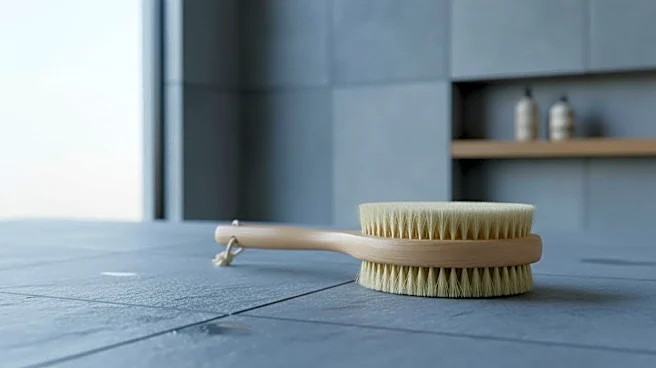
Body brushing, also known as dry brushing, is exactly what it sounds like: sweeping a firm, natural-bristle brush over your dry skin before you shower. While it may seem like a modern wellness fad, its roots stretch back centuries. Ancient cultures, including
the Egyptians and Greeks, practiced forms of dry exfoliation. In Ayurveda, the traditional medicine of India, the practice is called garshana and was used to stimulate the skin and lymphatic system. The tools have evolved from stones and strigils—curved blades used by Roman athletes—to the familiar long-handled brushes we see today, but the core principle remains the same: invigorating the body's largest organ.
The Circulation and Lymphatic Connection
The headline claim revolves around circulation, and there’s truth to it. The mechanical act of brushing the skin stimulates blood flow to the area, which is why your skin might look flushed and feel tingly afterward. This temporary boost in circulation brings more oxygen and nutrients to your skin, contributing to a temporary radiant glow. Many proponents also claim it supports the lymphatic system, the body's network for clearing waste. Unlike the circulatory system, which has the heart for a pump, the lymphatic system relies on muscle movement and external stimulation—like massage or brushing—to keep things flowing. However, while manual lymphatic drainage by a trained therapist is a proven medical technique, scientific evidence that dry brushing significantly detoxifies the body or provides systemic lymphatic benefits is limited. Dermatologists suggest its main proven benefit is excellent exfoliation.
More Than Just a Glow: Exfoliation and Energy
The most immediate and undeniable benefit of dry brushing is exfoliation. The stiff bristles are incredibly effective at sloughing off dead, flaky skin cells, leaving your skin feeling smoother and softer almost instantly. This process can help unclog pores and may even reduce the occurrence of ingrown hairs. Beyond the physical, many people find the ritual itself to be energizing. The sensation stimulates nerve endings and can leave you feeling invigorated, making it a popular morning ritual to start the day feeling refreshed and awake. This sensory experience is a benefit that can't be measured in a lab but is a key reason for its devoted following.
How to Do It Right: A Simple Guide
Getting started is simple. You'll need a brush with firm, natural bristles—not so stiff that they scratch, but not so soft that they're ineffective. The best time to brush is on dry skin right before you shower. The general rule is to always brush toward your heart. Start at your feet and use long, sweeping strokes up your legs. Then move to your hands and brush up your arms. For your stomach and back, use upward or circular motions. Use firm but gentle pressure; it should feel stimulating, not painful. Avoid sensitive areas, broken skin, rashes, or any active infections. After brushing for three to five minutes, hop in the shower to rinse away the exfoliated skin cells, and follow up with a moisturizer to hydrate your newly smooth skin.
The Secret to Its Staying Power
So why has this humble ritual outlasted so many sophisticated trends? Its endurance lies in its simplicity, accessibility, and the way it makes you feel. In an era of expensive devices and complicated multi-step routines, body brushing costs very little and takes only a few minutes a day. It’s a moment of self-care that connects you to your body in a tangible way. It doesn't promise miracles or overnight transformations, which might be its greatest strength. Instead, it offers a consistent, grounding practice with noticeable results—smoother skin, an energized feeling, and a mindful pause in your day. It’s a testament to the idea that sometimes the most effective wellness tools aren't the newest or flashiest, but the ones that are simple, timeless, and rooted in self-connection.