


More Than a Show, It's a Shared Ritual
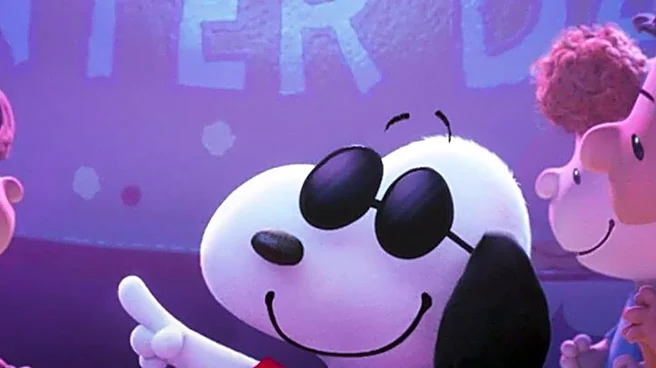
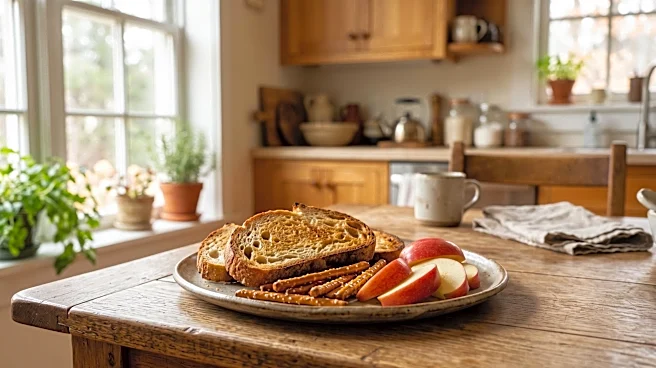
Think about 'A Charlie Brown Thanksgiving' or the Macy’s Thanksgiving Day Parade. For many, these aren't just programs you decide to watch; they are a scheduled part of the day itself. Since first airing in 1973, Charlie Brown's disastrous dinner of toast
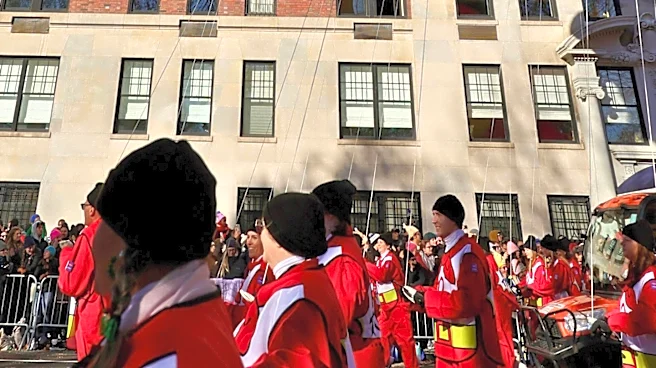
and popcorn has become a multi-generational tradition, passed down from parents who grew up with it to their own kids. Its simple charm, jazzy score by Vince Guaraldi, and comforting, timeless atmosphere make it an enduring piece of Americana. Similarly, the Macy's parade, which first marched in 1924 and has been nationally televised since the mid-20th century, functions as the nation's official start to the holiday season. With tens of millions tuning in annually, it's less a TV show and more a communal, nationwide event that binds the holiday together. These specials have woven themselves into the very fabric of the holiday, transforming from passive entertainment into an active, shared ritual.
The Perfect Emotional Recipe: Low Stakes, High Comfort
Thanksgiving specials offer a specific emotional flavor: warm, gentle, and nostalgic. 'A Charlie Brown Thanksgiving' isn't about deep conflict; it’s about friendship and gratitude triumphing over social anxiety and a comically bad meal. The plot is modest, the message is simple, and the resolution is heartwarming. This low-stakes, high-comfort formula is precisely what many people crave on a day dedicated to togetherness. Holiday comedies, on the other hand, often rely on conflict, chaos, and high-strung characters to generate laughs. Think of the stressed-out parents, disastrous family gatherings, and cynical protagonists common in the genre. While some, like 'National Lampoon's Christmas Vacation', become classics, many others feel too abrasive or stressful for a day meant for relaxation. The gentle nature of Thanksgiving specials provides a soothing counterpoint to the potential real-life stress of family gatherings.
A Rock-Solid Business Model
There's a powerful commercial logic behind the longevity of these specials. For television networks, they are a known and reliable quantity. Re-airing a beloved special like 'Rudolph the Red-Nosed Reindeer' or a major event like the parade guarantees a large, family-friendly audience that is highly attractive to advertisers. The holiday season is a peak spending period, and these programs deliver a captive audience ready for seasonal messaging. Compared to producing a new, high-budget holiday comedy film—which is a significant financial gamble—licensing and broadcasting a proven classic is a low-risk, high-reward strategy. Furthermore, in an era of fractured audiences and endless streaming choices, these appointment-viewing events create a rare moment of collective focus that broadcasters and advertisers prize. They are dependable anchors in an otherwise unpredictable media landscape.
Why Most Holiday Comedies Can't Keep Up
While a few holiday comedies hit the mark and become perennial favorites, many are built to be disposable. They often rely on of-the-moment pop culture references, trendy comedic styles, or star actors who may not have the same draw a decade later. This can make them feel dated surprisingly quickly. Many also try to subvert holiday tropes with cynicism or mean-spirited humor, which can alienate audiences looking for genuine warmth. A film centered on a bitter family feud or a protagonist who despises the holidays might be funny once, but it rarely becomes a comforting annual watch. Thanksgiving is also a uniquely American holiday, making sitcom episodes or films about it less viable for international syndication, a major consideration for modern productions. The most enduring specials, by contrast, focus on universal themes like gratitude, friendship, and community, ensuring they never go out of style.