





The Anti-Festival in the Mountains
Each Labor Day weekend, the small Colorado mountain town of Telluride transforms. It swells with filmmakers, critics, and cinephiles, yet you won't find the usual festival frenzy. There are no red carpets, no paparazzi hordes, and, most importantly, no pre-announced
film schedule. Attendees arrive with passes purchased months in advance, putting their trust entirely in the hands of the festival's programmers. This secrecy isn't a gimmick; it’s a foundational part of Telluride’s identity. It strips away the hype and the market-driven buzz that dominates other festivals, creating an egalitarian environment where the only thing that matters is the movies. Everyone—from a world-famous director to a first-time attendee—is there for the same reason: to discover something new.
What 'Challenging' Really Means
When Telluride makes room for "challenging" cinema, it isn’t just about programming obscure or difficult films. It's about prioritizing artistic ambition over commercial calculation. These are often films that struggle to get made in a studio system obsessed with franchises and four-quadrant hits. They might feature complex characters, unconventional narratives, or tackle uncomfortable themes. But they are also the films that often define the cinematic conversation for the year to come. Telluride has a knack for being the first to screen movies that become cultural touchstones and eventual Oscar winners, including past favorites like “Brokeback Mountain,” “Juno,” and “Slumdog Millionaire.” The festival serves as a launchpad, giving artist-driven films the prestige and critical momentum needed to survive in a crowded marketplace.
A Sanctuary for Artists
For filmmakers, a Telluride selection is more than just a spot on the festival circuit; it's a validation. In an industry that often feels risk-averse, Telluride is a haven for auteurs. It’s a place where a deeply personal film can premiere in front of one of the most passionate and knowledgeable audiences in the world. The non-competitive nature of the festival fosters a sense of community and celebration rather than a cutthroat market. The festival also honors cinema's past and present through its Silver Medallion awards and a guest director program—with filmmaker Rebecca Hall serving as the 2026 Guest Director—which invites an esteemed artist to curate a selection of influential films. This blend of new discoveries and historical context reinforces the idea that cinema is an ongoing conversation, not just a series of new products.
An Audience Built on Trust
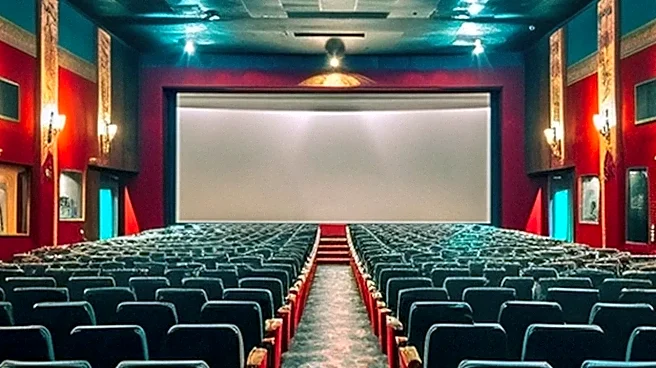
The Telluride model wouldn't work without its audience. The attendees who make the pilgrimage to the San Juan Mountains are not passive consumers; they are active participants. They are willing to spend days in dark theaters, engaging with films they knew nothing about just hours before. This creates a unique feedback loop. Because the festival trusts its audience to be curious and open-minded, it can program more adventurous films. In turn, the audience trusts the festival to deliver a weekend of unparalleled discovery. This relationship turns the entire town into a pop-up community where conversations about film spill out from the theaters and onto the streets, with filmmakers and fans mingling freely. It’s a testament to the idea that there is still a powerful appetite for cinema that asks something of its viewers.