









The End of the 'Tin Can' Knight
For decades, the peak of fantasy armor was simple: more. More metal, more spikes, more size. Think of the classic images from Dungeons & Dragons or the shoulder pads in early World of Warcraft—designs where the silhouette was meant to communicate power
through sheer bulk. This was the era of the human tank, a character whose primary purpose was to absorb damage, and their armor was a visual representation of that. The problem, as many designers and historians will point out, is that much of it was pure fantasy. A lot of this iconic armor wouldn't work, restricting movement to a degree that would make fighting impossible. The misconception that historical plate armor was incredibly heavy and clumsy has fueled this design trope, even though a well-made suit was surprisingly mobile, with the weight distributed across the body. The classic fantasy design often ignored this, prioritizing a cool-looking static image over functional believability.
A New Focus on Plausible Performance
So why the change? It’s not just a sudden obsession with historical accuracy. The shift is driven by a desire for what you might call plausibility. As animation and graphics have grown more sophisticated, a character who moves with the grace of a dancer while wearing armor like a refrigerator looks increasingly silly. Designers are now more concerned with how armor serves the character's performance. This means considering weight, mobility, and the story of the person wearing it. Is the character a nimble rogue, a hardened traveler, or a ceremonial guard? Their gear should reflect that. This approach doesn't mean sacrificing creativity; in fact, it often enhances it. By working within grounded constraints, designers are forced to come up with more unique solutions than just adding another layer of steel. It's a move from designing a costume to designing a piece of functional equipment within a fictional world.
Beyond Plate: Brigandine, Lamellar, and Bio-Weaves
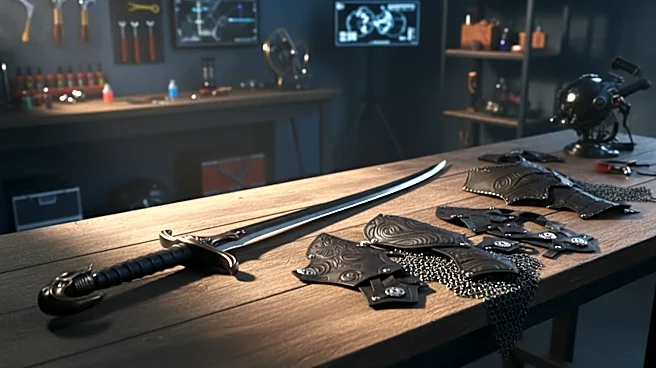
The new look of fantasy armor is all about variety and texture. Instead of wall-to-wall plate, we're seeing more complex, composite armors. Designs featuring brigandine (small plates riveted inside a leather or cloth garment), lamellar (small plates laced together), and layered gambesons (padded jackets) are becoming common. These styles were historically effective and offer a different visual language. They speak of resourcefulness, specific cultural origins, and a reliance on agility over brute defense. Think of the armor seen in The Witcher series or the gear in Elden Ring—much of it is a mix of leather, chain, and partial plate, designed for a world where dodging is as important as blocking. This also opens the door for more imaginative concepts, like magically hardened fabrics, chitinous plates from fantasy creatures, or sci-fi-inspired bio-mechanical weaves that flex with the wearer's body.
Storytelling Through What They Wear
Ultimately, this trend is about better storytelling. As any good costume designer knows, what a character wears is a visual shortcut to their identity. An armor set that is scuffed, repaired with mismatched parts, and supplemented with leather tells a story of a long, hard journey. A sleek, silent suit of interlocking plates suggests a highly skilled assassin or a wealthy noble. By moving past the one-note language of bulky plate, creators can add layers of depth to their characters and worlds. The shift to more flexible, practical, and varied armor isn't a rejection of the fantasy genre's cool factor. Instead, it's an evolution, recognizing that the most compelling fantasy is one that feels grounded, believable, and full of detail—right down to the buckles on a warrior's boots.