




Bill Burr: The Everyman's Rage
If Carlin’s anger was a surgeon’s scalpel, dissecting societal rot with precision, Bill Burr’s is a sledgehammer. Burr channels the frustration of the common person navigating a world of hypocrisy and absurd rules. While Carlin’s routines were meticulously
scripted, Burr’s feel like they’re boiling over in real-time, a stream-of-consciousness tirade against everything from corporate pandering to the nanny state. He shares Carlin's deep-seated cynicism and distrust of authority, but where Carlin was a philosopher in a comedian’s body, Burr is the guy at the end of the bar who finally snaps and starts speaking uncomfortable truths. His work ethic, releasing special after special, also echoes Carlin's relentless drive to evolve and discard old material.
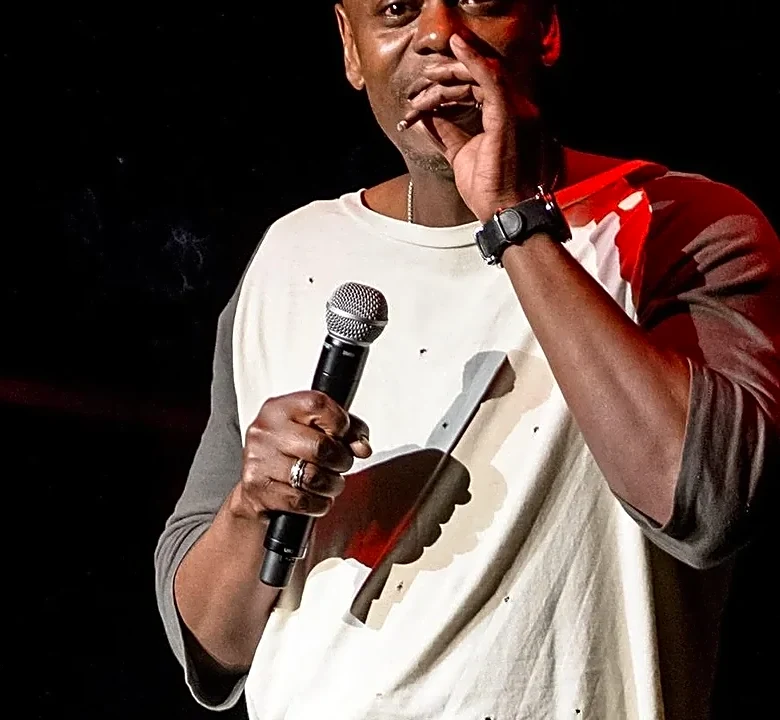
Dave Chappelle: The Provocative Storyteller
Dave Chappelle is perhaps the most obvious heir to Carlin’s throne as a cultural truth-teller. Like Carlin, Chappelle understands that the most potent comedy comes from tackling subjects others are too afraid to touch. His masterful storytelling weaves together personal anecdote and broad social commentary, forcing audiences to confront uncomfortable realities about race, power, and celebrity. While their styles differ, they share a core belief in the comedian’s role as a vital, uncensored voice. Both have courted controversy, and both refuse to back down, using the stage to challenge orthodoxies from all sides. They are masters of provocation, using laughter as a gateway to difficult but necessary conversations.
Doug Stanhope: The Nihilistic Purist
If you find Carlin’s later, darker material to be his best, then Doug Stanhope is your man. Stanhope takes Carlin's anti-establishment worldview and strips it of any remaining sentimentality, arriving at a raw, unapologetic, and often bleak libertarian nihilism. He is relentlessly committed to individual freedom and deeply suspicious of any and all systems of control. Like Carlin, he excels at dissecting the dishonest language of politics and social norms. Stanhope's comedy is not for the faint of heart; it's a confrontational, often abrasive experience that makes no apologies. He represents the endpoint of Carlin’s cynicism—a complete and total divorce from the species.
Marc Maron: The Neurotic Social Critic
While Marc Maron's comedy is famously personal and neurotic, it frequently blossoms into the kind of sharp social critique Carlin championed. Maron's early influences included Carlin, and it shows in the way he connects his own anxieties to broader cultural failings. He often starts with a personal grievance—a frustrating interaction, a moment of self-doubt—and excavates it until he uncovers a universal truth about modern life, consumerism, or the search for meaning. This approach mirrors how Carlin could take a simple observation about “stuff” and turn it into a profound statement on American identity. Maron’s blend of raw vulnerability and intellectual anger offers a different, more introspective path to the same kinds of truths Carlin spent his life exploring.
Bo Burnham: The Postmodern Deconstructionist
Bo Burnham may seem like an odd choice, but he is arguably the comedian who has most creatively evolved Carlin's obsession with language and performance for the internet age. Where Carlin deconstructed words and phrases, Burnham deconstructs the very act of being a performer in a hyper-mediated world. His specials, particularly 'Inside,' are exercises in meta-commentary, exploring his own privilege, the pressures of social media, and the paradox of trying to make meaningful art in a shallow culture. It's a modern, tech-infused version of what Carlin did: turning the medium back on itself to expose its absurdities. It’s the philosophical spirit of Carlin channeled through a completely different, and distinctly modern, lens.