


More Than Just a Dress Code
To understand Royal Ascot’s significance, you have to look past the horses and focus on its most famous space: the Royal Enclosure. Since the early 19th century, this exclusive area has enforced one of the world's most rigid and consistent dress codes.
For men, it’s a morning suit and top hat. For women, it’s formal daywear with a strict list of requirements, including dress length, strap width, and the mandatory presence of a hat or headpiece. While this might sound like a simple set of rules, it’s precisely this continuity that makes Ascot a perfect historical laboratory. Unlike the Oscars or the Met Gala, where themes change wildly, Ascot provides a constant framework. Year after year, attendees must interpret “formal daywear” according to their era’s tastes, creating an unbroken timeline of sartorial evolution. Historians don't have to guess what high society wore; they have a precisely dated, annual record.
A Barometer of Social Change
The silhouettes seen at Ascot are a powerful barometer of the social and economic climate. In the pre-war Edwardian era, the rigid, S-bend corsets and enormous, heavily embellished hats reflected a society defined by formality and strict class hierarchy. The clothing was intentionally impractical, a signal of a life of leisure. Fast forward to the post-World War II era. In 1947, Christian Dior unveiled his revolutionary “New Look,” featuring a nipped-in waist and a full, voluminous skirt. When this silhouette appeared at Ascot, it was more than a fashion statement; it was a symbol of post-war optimism and a defiant return to luxury after years of rationing and austerity. The silhouette itself—dramatic, feminine, and extravagant—told a story of a society desperate to move on from the hardships of war.
The Battle Over Hemlines
Ascot’s history is also a story of tension between tradition and rebellion. The 1960s brought the miniskirt, a garment fundamentally at odds with Ascot’s code of decorum. The ensuing debates over rising hemlines weren’t just about fashion; they were a microcosm of the generational culture wars raging across the Western world. When officials eventually had to explicitly state that dresses and skirts should be of “modest length,” it was a clear sign that the old guard of high society was losing its absolute authority. In the 1970s, the arrival of the pantsuit for women posed another challenge to the dress code, forcing the event to adapt its rules to reflect women's changing roles in society. Each adjustment to the rulebook is a chapter in the story of shifting social norms.
A Stage for Modern Design
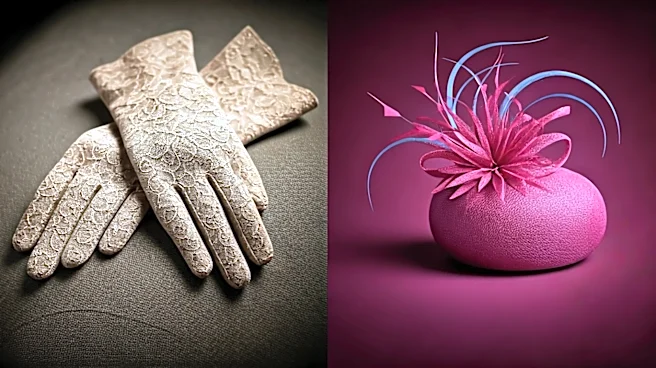
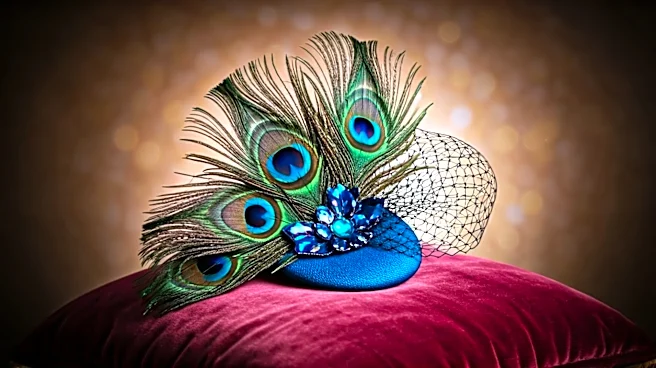
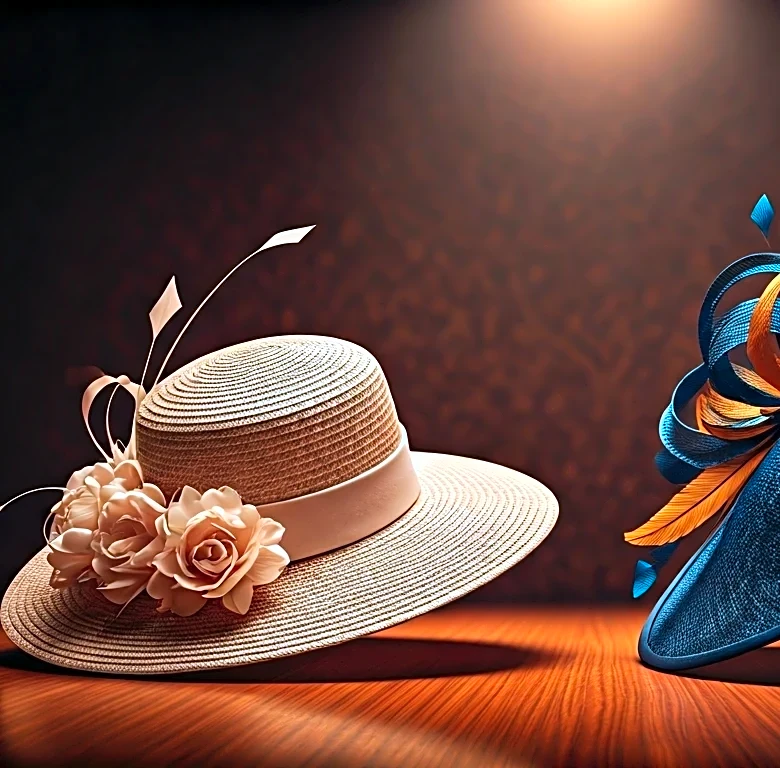
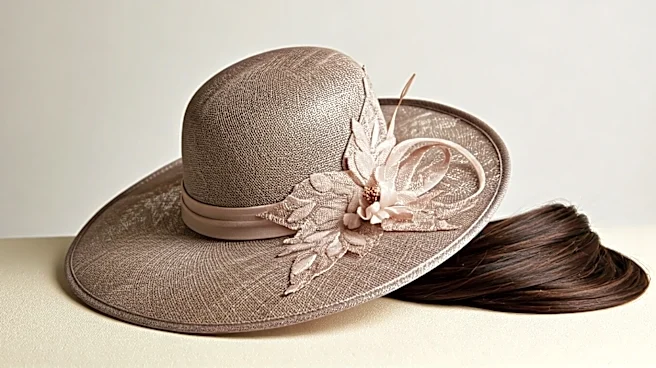
Today, Royal Ascot serves a dual purpose. It remains a bastion of tradition, but it has also become a premier stage for contemporary design, particularly for milliners (hat makers). For designers like Philip Treacy and Stephen Jones, Ascot is their Super Bowl—a place where their most avant-garde creations can get global attention. The strict requirement of a headpiece forces innovation. It pushes designers and attendees to be creative within a specific constraint, resulting in pieces that range from classically elegant to sculptural and surreal. For historians, this modern era is just as fascinating. It documents the rise of “event dressing,” the influence of social media on personal style, and the way modern royals, like Catherine, Princess of Wales, use fashion to communicate a specific message of accessible elegance.