


The Typical Awards-Show Formula
On most major awards shows, the celebrity duet is a time-honored, if sometimes cringeworthy, tradition. It’s a Frankenstein’s monster of market-testing, usually stitching together a legacy act with a current chart-topper in a bid to capture multiple demographics.
The result is often a polished but hollow spectacle. The artists might stand ten feet apart, trade a few polite smiles, and deliver a technically proficient but emotionally sterile performance. The goal isn't necessarily musical chemistry; it's a cross-promotional moment designed to generate headlines and YouTube clips. It serves the business of music, but not always the music itself.
A Community, Not a Competition
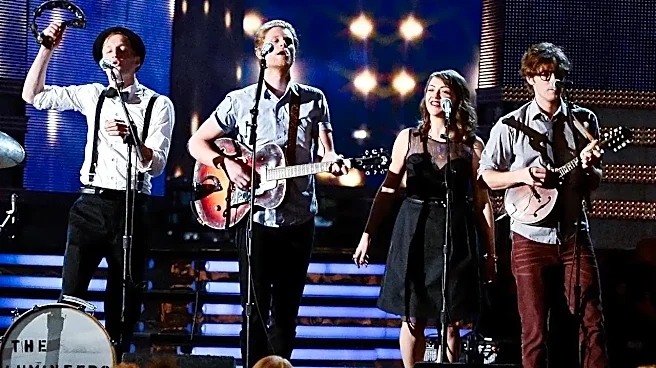
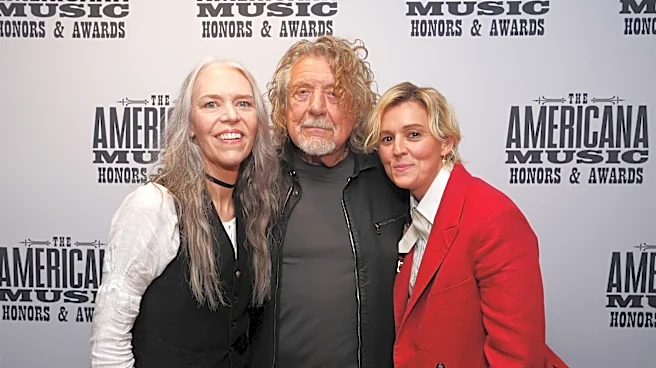
The Americana world operates on a different frequency. As a genre, Americana is a sprawling tent of folk, country, blues, rock, and soul, defined less by a specific sound and more by a commitment to storytelling and authenticity. This ethos creates a tight-knit community where artists frequently tour together, write together, and sing on each other’s albums. The Americana Honors & Awards ceremony, held annually at Nashville's historic Ryman Auditorium, is a reflection of this collaborative spirit. It feels less like an industry showcase and more like the one night a year the entire extended family gets together to pick a few tunes on the front porch. The reverence for shared history and mutual respect is palpable.
Proof on Stage: The 2026 Edition
The 2026 ceremony was a prime example of this dynamic in action. The show opened with a powerful, unannounced reunion of Tom Petty’s Heartbreakers, who performed for the first time together since Petty’s passing. But they weren't alone; they were fronted by Chris Stapleton, an artist whose entire career is a testament to Petty's enduring influence. This wasn't a random pairing; it was a logical, heartfelt tribute where a modern torchbearer stepped in to honor his heroes. Later, the members of I'm With Her (Sarah Jarosz, Aoife O'Donovan, and Sara Watkins) joined Brandi Carlile for a tender rendition of "Coat of Many Colors" to honor the late Dolly Parton. It felt natural because these artists share a common musical lineage and a deep, public admiration for one another. The collaborations are born from relationships, not marketing meetings.
Rooted in the Song, Not the Spectacle
Ultimately, the difference comes down to intent. Mainstream awards show duets are often built around the spectacle—the surprise reveal, the clashing styles, the sheer star power. At the Americana Awards, the collaborations are almost always in service of the song. Take the all-star finale, a tribute to the late Raul Malo of The Mavericks, which saw artists from across the genre's spectrum join for "Dance the Night Away." Or Hayes Carll and Elizabeth Cook honoring Todd Snider. The focus is on harmony, shared experience, and the emotional weight of the music itself, all backed by a single, ridiculously talented house band led by Buddy Miller. They aren't trying to create a viral moment; they're trying to honor a legacy, celebrate a friend, or simply find a new truth in an old song. The magic comes from that shared purpose, not from pyrotechnics.