





The Official Anthem: An Unlikely Quartet
FIFA kicked things off with an unexpected musical grouping for the official 2026 anthem, titled “DNA”. The track features legendary Italian tenor Andrea Bocelli, French DJ David Guetta, American rap superstar Megan Thee Stallion, and singer-songwriter
EJAE. The song aims to blend classical grandeur with modern pop and electronic beats, reflecting the tournament's historic scale across three nations. With lyrics like, “It's more than just a game, it's our DNA,” the song seeks to capture the deep-rooted passion of the sport. While official anthems can be hit-or-miss, the sheer star power and eclectic mix here guarantee it will be everywhere, aiming for the iconic status of past hits like Shakira's "Waka Waka."
USA: The Enduring Power of 'I Believe'
For the U.S. Men’s National Team, one chant has become synonymous with its modern fan culture: "I Believe That We Will Win!". It’s a simple, rhythmic call-and-response that builds to a powerful, endlessly repeatable crescendo. Its origins trace back not to a soccer pitch, but to the U.S. Naval Academy in the late 1990s. The chant exploded into national consciousness during the 2014 World Cup in Brazil, becoming the unofficial slogan for the American Outlaws supporters' group and a staple at every USMNT match since. Though some find it repetitive, its earnest optimism is undeniably American and will provide a thunderous backdrop for the home team's matches.
Mexico: The Controversy That Won't Fade
No chant in world soccer is as debated as Mexico's infamous goalkeeper chant. The one-word Spanish slur, long deemed homophobic by FIFA, has persisted for years despite significant fines and extensive campaigns by the Mexican Football Federation to eradicate it. The chant was heard again during Mexico's 2026 World Cup matches, including during their Round of 16 victory over Ecuador, raising the prospect of further disciplinary action against a host nation. The federation has tried to encourage fans to perform the wave instead, but the chant remains deeply embedded in a segment of the fanbase. How this plays out on home soil, under the brightest of spotlights, will be a major storyline of the tournament, testing FIFA's resolve and the evolving culture of El Tri's passionate support.
Canada: A Northern Voice Gets Loud
As a co-host, Canada is stepping into a new era of soccer relevance, and its fan culture is growing with it. The primary supporters' group, The Voyageurs, founded in 1996, is leading the charge to create a distinct Canadian sound. Their chants often borrow from the traditions of the country's MLS clubs in Toronto, Vancouver, and Montreal. Simple, powerful chants like “Allez les Rouges!” (Go the Reds!) and call-and-response shouts of "Ca-na-da!" have become staples. After years of being the underdog, Canadian fans are relishing their moment, and their organized, passionate support is creating a formidable home-field advantage that will surprise many visitors.
The Global Chorus: Old Favorites and New Classics
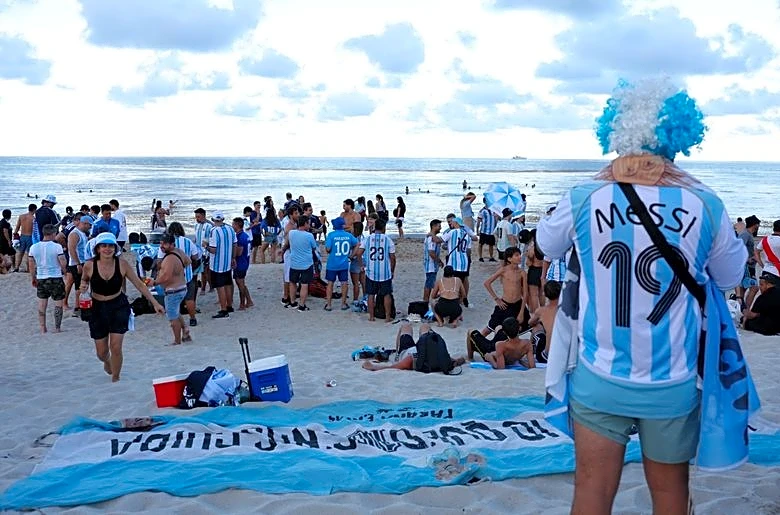
Beyond the hosts, the World Cup’s soundtrack will be a global symphony. Expect the vibrant, drum-fueled passion of South American fans, whose nonstop singing can turn any stadium into a home game for teams like Brazil and Argentina. European crowds will bring their own historic songbooks, from England's eternally hopeful "Football's Coming Home" to the intimidating and unified Icelandic “Viking Clap,” should they qualify. These timeless sounds, mixed with the unique flavors of African, Asian, and other CONCACAF nations, are what make the World Cup a true melting pot of fan expression. The blend of these established traditions with the host nations' anthems will create the defining audio tapestry of 2026.