









The Geometry Problem: A Tale of Two Footballs
Here’s the core issue in a nutshell: geometry. An American football field is 53.3 yards wide. A FIFA-compliant World Cup pitch must be 68 meters, or about 74.4 yards, across. That extra 21 yards has to come from somewhere. To make it work, stadium crews
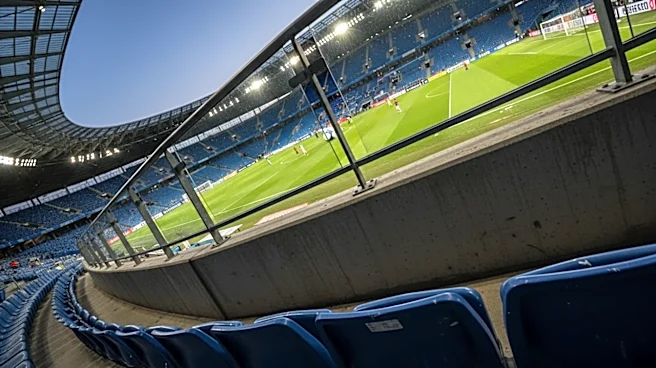
undertook massive retrofitting projects, removing thousands of permanent lower-bowl seats in the corners to physically widen the playing area. This solves the field problem but creates a potential fan problem. These stadiums were acoustically and visually designed for a narrow gridiron. When you shoehorn in a wider pitch, the original sightlines can get compromised, especially for seats that were already at a challenging angle.
SoFi Stadium, Los Angeles: A Modern Marvel with a Big Asterisk
SoFi Stadium, the most expensive stadium ever built, is a technological masterpiece. For the World Cup, however, it has a couple of significant quirks. The first is that same width issue, which required removing corner seats to fit the pitch. The bigger talking point is the 70,000-square-foot, double-sided video board hanging over the center of the field. For fans in the upper tiers, this giant screen can obstruct the view of the opposite side of the stadium and has been known to make high, looping passes or clearances momentarily disappear from sight. It’s a stunning piece of tech, but for soccer purists, anything that gets between you and the ball is a potential frustration.
AT&T Stadium, Dallas: Going Big Creates Big Challenges
Everything is bigger in Texas, including the sightline issues. AT&T Stadium, which will host a staggering nine matches, has two main quirks. First, to create the necessary width, the entire playing surface was raised by several feet, essentially putting the pitch on a platform. This brings advertising boards, camera crews, and safety netting closer to the eyeline of fans in the lower rows. Second is the colossal center-hung video board. Like at SoFi, it can interfere with the view of high balls for those in the upper deck. Furthermore, the stadium's east-west orientation can create a brutal sun glare during afternoon games, a problem so significant that special blackout curtains were installed for World Cup matches.
MetLife Stadium, East Rutherford: A Final-Worthy Venue with a Catch
The host of the World Cup Final, MetLife Stadium, actually has some of the best lower-bowl sightlines of any converted NFL venue, thanks to extensive renovations that replaced permanent seats with a modular system. This created a clean view close to the action. The trade-off? The upper deck. To accommodate a capacity of over 82,000, the 300-level seats, particularly in the corners, are exceptionally high and far from the action. Fans in these seats will get a great panoramic, tactical view of the game's shape, but they will be watching from a punishing distance and angle, a common compromise in achieving the massive scale expected of a World Cup final.