



The Song That Shouldn't Have Worked
The year was 1955, and Muddy Waters was the undisputed king of Chicago blues. He, along with the brilliant house songwriter Willie Dixon, had been crafting hits for Chess Records, the city's premier blues label. But one track stood apart. Built on a stomping,
stop-time riff and a single, unrelenting chord, it didn't sound like anything else on the radio. It was less a song and more a declaration—a raw, swaggering boast that felt primal and almost dangerously confident. The song was "Mannish Boy," and its structure was so unconventional, its power so untamed, that it’s easy to see why a commercially-minded executive might have hesitated. It broke the rules of what a three-minute single was supposed to be.
A Conversation Between Giants
The story of "Mannish Boy" is part of a legendary musical conversation. It began when Willie Dixon wrote the braggadocious "(I'm Your) Hoochie Coochie Man" for Waters in 1954, which became a massive hit. Inspired, another Chess artist, the wildly innovative Bo Diddley, responded with his own anthem of masculine pride, "I'm a Man." Not one to be outdone on his own turf, Waters fired back with "Mannish Boy." It was an answer song, a piece of one-upmanship between two masters. Waters essentially took Diddley's theme and slowed it down, amplified the swagger, and reasserted his dominance. The lyrics even directly reference his earlier hit, proclaiming, "I'm a rollin' stone / I'm a hoochie coochie man."
More Than a Boast, a Declaration
But the label's supposed apprehension wasn't just about musical structure. The song carried a profound political and social weight. Waters had migrated from Mississippi to Chicago, leaving the Jim Crow South where Black men were systematically dehumanized and often referred to as "boy," regardless of their age. In that context, the song's central chant—"I'm a man / I spell M-A-N"—was an electrifying act of defiance. It was a powerful assertion of Black manhood, dignity, and identity. While filled with sexual bravado, the song's deeper message was an unmistakable reclamation of self-worth in a society that sought to deny it. This wasn't just a hit song; it was a cultural statement.
An Anthem Is Born
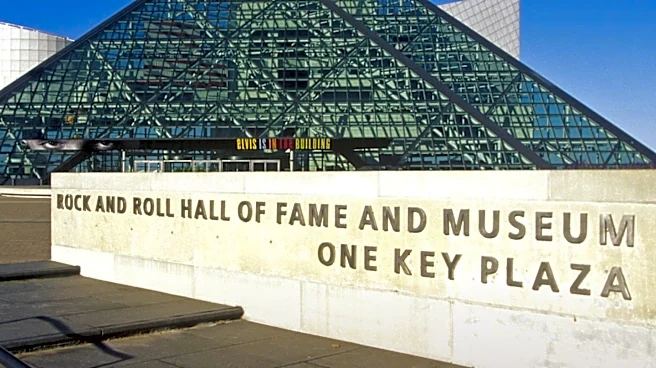
Whatever doubts the label may have had were quickly erased. Released in 1955, "Mannish Boy" climbed to number five on the Billboard R&B chart. Its impact, however, went far beyond the charts. The raw energy and unforgettable riff became a foundational element of rock and roll. The Rolling Stones famously took their name from a lyric in a Muddy Waters song, and artists from Jimi Hendrix to David Bowie drew inspiration from its power. Years later, when Waters performed at The Band's legendary farewell concert, "The Last Waltz," he reportedly insisted on using his own rhythm section for the song. He knew that its deceptive simplicity required a groove that only his own trusted musicians could deliver, a testament to the song's unique and elemental force. Today, it is recognized by the Rock and Roll Hall of Fame as one of the "500 Songs that Shaped Rock and Roll."