




More Than Just Wrinkles
The first rule of believable aging makeup is that it's not about adding wrinkles, but about recreating the story of a life. Artists study how gravity, lifestyle, and time affect real faces. It involves a deep understanding of anatomy to know where skin
would naturally sag, where volume would be lost in the cheeks and temples, and how bone structure becomes more prominent. Special effects artist Kevin Yagher, known for aging the stars of "Bill & Ted Face the Music," begins by studying an actor's real face to see where wrinkles are already forming so he can realistically accentuate them. The goal is to enhance, not just cover, creating a character's history through their features.
The Lifecast and Digital Blueprint
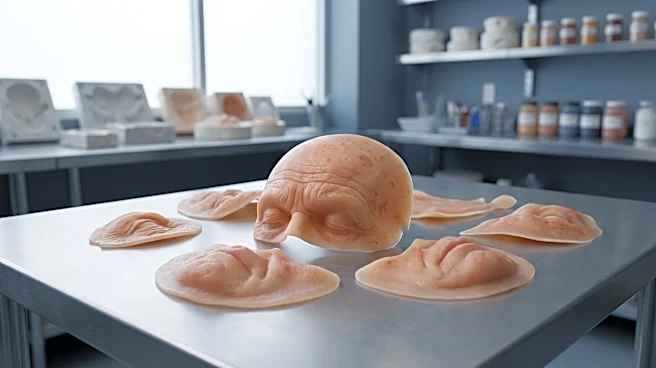
The transformation begins with a lifecast, a meticulous process of creating a perfect mold of the actor's face or relevant body parts. This is a crucial, non-negotiable step for creating custom-fit pieces. Special silicone rubbers are used to capture every pore and fine line without pulling out hair. This physical cast serves as the canvas. From there, artists sculpt the aged look in clay directly onto the cast, or the cast is 3D scanned to create a digital model for virtual sculpting. This allows for incredible precision in designing everything from sagging jowls to deep-set crow's feet before a single prosthetic is ever made.
The Science of a Second Skin
The undisputed star material in modern aging effects is silicone. Unlike older latex techniques, silicone is prized for its translucency and flexibility, which allows it to mimic the texture and movement of real skin with uncanny accuracy. Artists can intrinsically color the silicone to match a base flesh tone, giving it a depth that paint alone can't achieve. These prosthetic pieces are cast from the clay or 3D-printed sculpts and can range from small eye bags to full facial appliances that take hours to apply. The challenge is to make them thin and light enough for the actor to perform naturally while wearing them all day on set.
The Artistry of Application
Applying the prosthetics is a painstaking process that can take four or more hours. Each silicone piece is carefully glued to the skin using medical-grade adhesives. The most critical part is blending the edges of each piece until they are invisible, often using acetone to melt the fine plastic carrier film into the skin. Once the pieces are on, the true painting begins. Using alcohol-activated paints, artists meticulously layer colors to create the subtle imperfections of age: sun spots, broken capillaries, visible veins, and the uneven tones of older skin. An airbrush helps create realistic shadows to deepen eye sockets and hollow out cheeks, making the underlying bone structure appear more prominent.
Bringing It All to Life
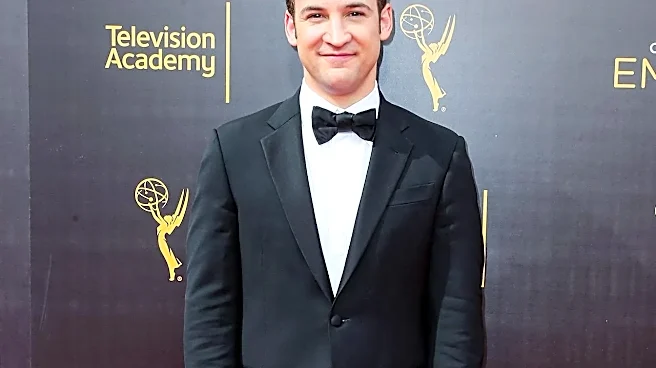
The final touches are what sell the illusion. This includes details like contact lenses to simulate cataracts, the subtle discoloration of teeth, and the careful coloring and styling of hair—and eyebrows—to reflect the character's age. When all these elements come together, the makeup doesn't just sit on the actor; it becomes part of their performance. This incredible fusion of chemistry, sculpture, and painting is why the Emmy for Outstanding Prosthetic Makeup is so fiercely contested. It honors the teams who successfully erase the actor and replace them with a character who has believably lived a lifetime before the cameras even start rolling.