

The Nostalgia Play
The first ingredient in the VMA booking formula is nostalgia. Securing a performance from a certified icon isn't just about honoring the past; it's a strategic move to capture headlines and reel in older demographics. When an artist like Madonna, who
first performed at the VMAs in 1984, returns to the stage, it creates a media moment that transcends the show itself. These performances serve as cultural anchors, reminding viewers of the VMA's historical significance. The announcement of a Video Vanguard Award recipient, like 2026's honoree Nirvana, achieves a similar goal, sparking conversations and drawing in fans who might otherwise skip the ceremony. This strategy recognizes that legacy acts are established intellectual property with multigenerational appeal. They bring a sense of prestige and history, creating appointment television for viewers who remember their legendary VMA moments, from Britney Spears's snake-charming performance to Kanye West's infamous stage interruptions.
The Virality Chase
On the opposite end of the spectrum is the relentless pursuit of what's next. To stay relevant, the VMAs must cater to a Gen Z audience that dictates trends through social media. This demographic values authenticity and is fluent in the language of short-form video. Producers are no longer just looking at chart performance; they're analyzing social media engagement, streaming data, and an artist's potential to create a viral moment. Booking breakout artists who dominate platforms like TikTok and Instagram is essential for survival. These performers bring their massive, engaged online followings with them, driving real-time conversation and ensuring the show's moments are clipped, shared, and memed into oblivion. The goal is to capture lightning in a bottle—a performance so visually arresting or culturally relevant that it becomes a trending topic, pulling new, younger viewers into the VMA ecosystem.
Engineering the 'Moment'
The real magic—or, more accurately, the most calculated production strategy—lies in the space between legacy and breakout. The most memorable VMA moments are often engineered by combining these two worlds. Think of the legendary 2003 performance where Madonna, Britney Spears, and Christina Aguilera shared the stage (and a couple of iconic kisses). This wasn't just a collection of performances; it was a deliberately crafted event designed to generate shock and awe. Producers today are constantly looking for similar opportunities. This might take the form of a surprise collaboration between a rock legend and a hyperpop star, or a heartfelt tribute to a late icon performed by a trio of current hitmakers. These moments are the show's lifeblood, providing the unpredictable, must-watch drama that has defined the VMAs since its inception. They are designed to feel spontaneous while being meticulously planned to dominate the cultural conversation for days.
A Science of Demographics
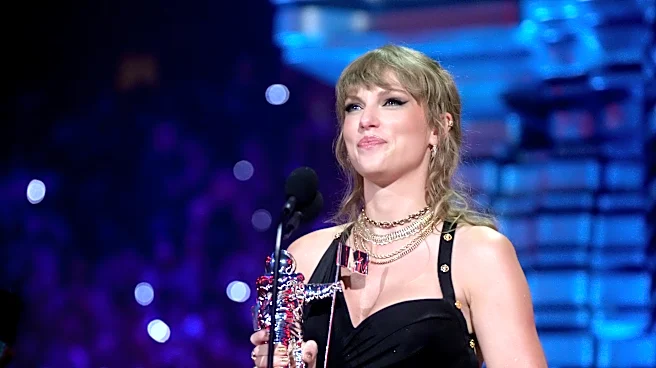
Ultimately, balancing legacy acts with breakout artists is a demographic tightrope walk. Once called the "Super Bowl for youth," the show now competes in a fractured media landscape where its core audience is harder to unify. In recent years, viewership has been a challenge, prompting moves like simulcasting the show on broadcast networks like CBS to reach a wider audience. Booking an artist like Taylor Swift, who is vying for the all-time VMA wins record, alongside Madonna, who leads the 2026 nominations, is a calculated bet. It's an attempt to build a broad coalition of viewers. The lineup is carefully curated to ensure there's something for every key demographic, preventing any single group from tuning out. The producers' playbook is a mix of art, science, and survival, using performer selection to create a big-tent event in an era of niche entertainment.