

The Philosophy of 'Sprezzatura'
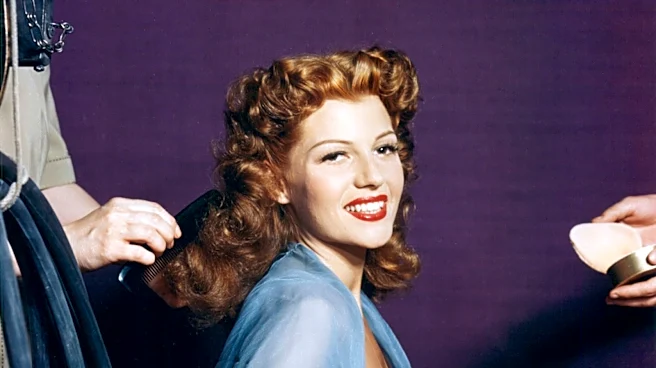
Before we can understand why Italian beauty is having such a moment, we have to understand what it *is*—and what it isn’t. Unlike the meticulous, multi-step regimens that dominated the 2010s, the Italian approach is rooted in a concept called 'sprezzatura.'
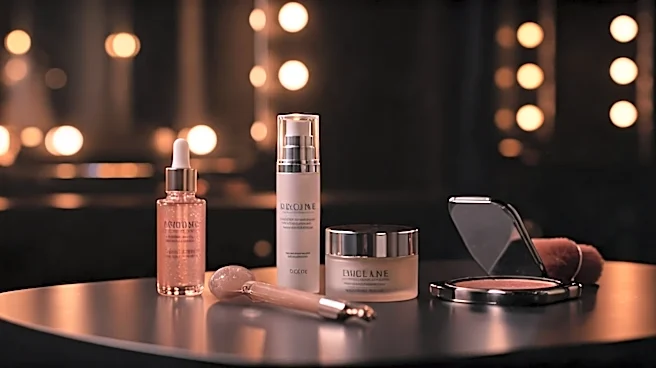
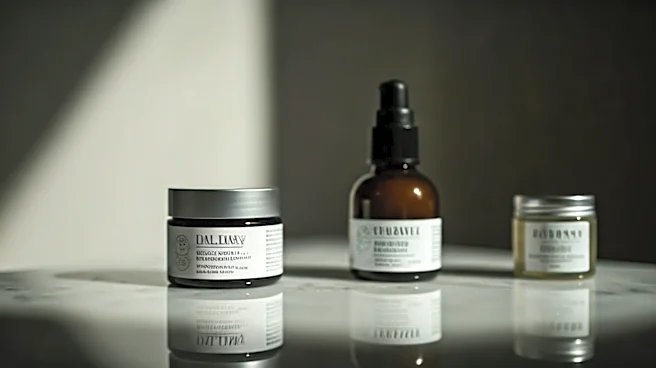
Coined in the 16th century, it translates to a kind of 'studied nonchalance.' In beauty, this means looking polished and put-together without appearing to have tried at all. It’s not about perfection; it’s about enhancement. Think healthy, glowing skin that looks like skin, subtly defined features, and an overall air of effortless confidence. The focus isn't on layering ten different serums to fix a problem, but on using a few high-quality, pleasurable products to maintain skin health and celebrate what you have. It’s a philosophy of 'less, but better.'
A Backlash to 'More is More'
For years, American beauty consumers were captivated by the elaborate 10-step Korean beauty routine. It was a fascinating, product-heavy ritual that promised glass skin through diligent layering. But for many, it eventually led to burnout. Consumers found themselves with crowded bathroom shelves, complicated morning and night routines, and sometimes, irritated skin from product overload. The rise of Italian beauty can be seen as a direct and welcome reaction to this complexity. It offered a beautiful alternative: simplicity. The Italian ethos aligns perfectly with the 'skinimalism' trend—a movement towards streamlining routines and using fewer, more effective products. It gave people permission to step back from the exhausting cycle of consumption and embrace a more intuitive, sustainable approach to self-care.
In Search of 'La Dolce Vita'
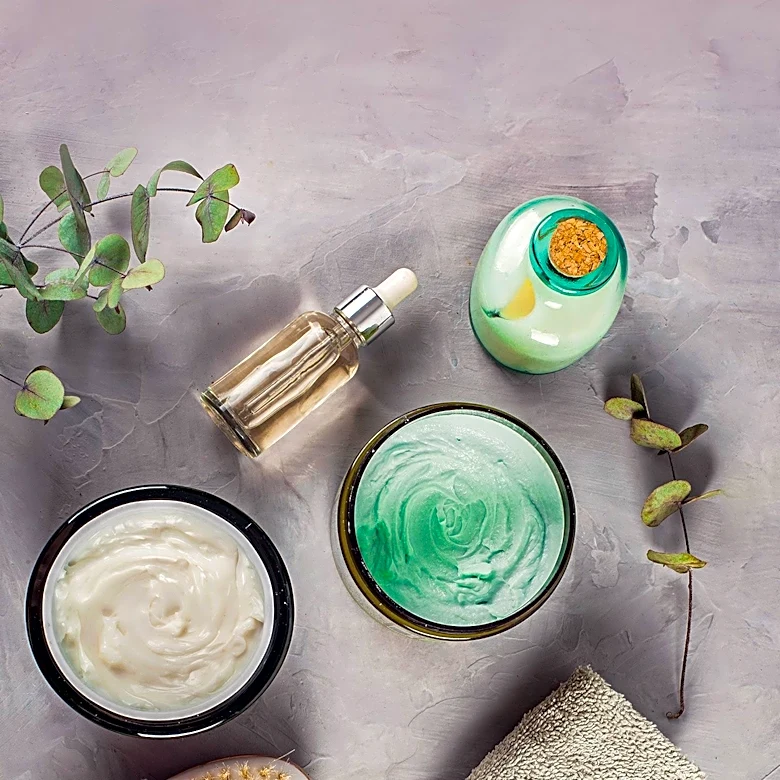
The cultural timing was perfect. The post-pandemic world left many Americans re-evaluating their priorities. Hustle culture felt draining, and there was a collective craving for joy, pleasure, and a slower pace of life. Enter 'La Dolce Vita'—the sweet life. Italy, whether real or romanticized, represents this ideal. It’s a culture associated with savoring simple pleasures: a good meal, a walk in the sun, a moment of quiet. Italian beauty rituals tap directly into this desire. They transform skincare from a clinical chore into a sensual, enjoyable experience. The textures are often luxurious, the scents are evocative of the Mediterranean, and the act of application is meant to be savored. It’s not about achieving a flawless result for a Zoom call; it’s about the personal, pleasurable ritual itself.
The White Lotus Effect
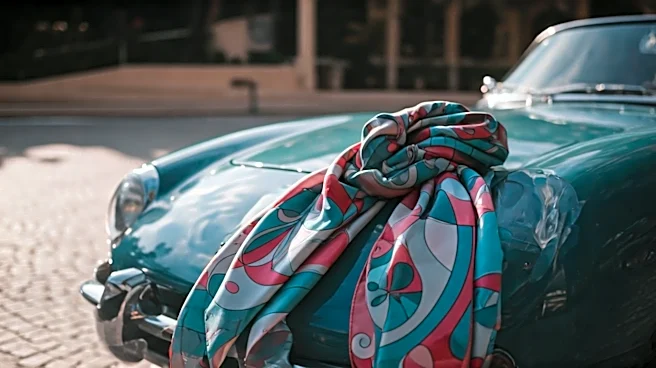
You can’t disconnect this trend from what we’ve been watching. Social media and popular culture have created a powerful, aspirational aesthetic around the Italian lifestyle. Instagram feeds filled with sun-drenched Amalfi Coast vacations and shows like HBO’s *The White Lotus* (set in Sicily) have cemented Italy in the American imagination as the ultimate escape. This visual romanticism makes the associated lifestyle feel attainable through consumption. While most can't just move to a Sicilian villa, they *can* buy the face oil that promises a 'sun-kissed glow' or the body lotion that smells like Italian citrus. Brands have masterfully bottled this aesthetic, selling not just a product, but a piece of that coveted, effortless, and deeply alluring Italian dream.